
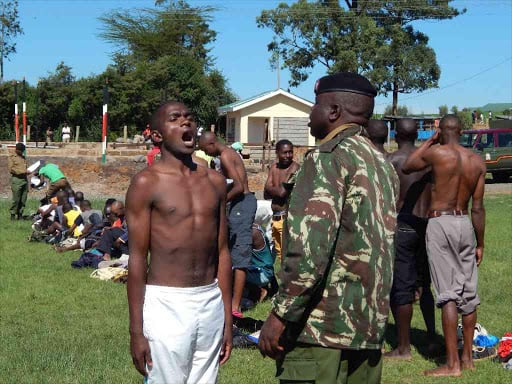
IPOA: To Monitor Kenya Police Recruitment in 2026, 2027
Summary
- The National Police Service will conduct recruitment for Police Constables on December 10, 2026, across 423 centers.
- A separate recruitment for Police Cadets is scheduled for January 7, 2027.
- The Independent Policing Oversight Authority (IPOA) will monitor both nationwide police recruitment exercises.
- IPOA's oversight aims to ensure transparency and fairness in the selection of new officers.
- Lawyers should monitor IPOA's findings for insights into recruitment compliance and potential legal challenges.
Upcoming Recruitment and Oversight
The Independent Policing Oversight Authority's decision to monitor the upcoming Kenya police recruitment process highlights its statutory mandate to ensure accountability and adherence to due process within the National Police Service.
The National Police Service (NPS) is preparing for two significant recruitment drives in the coming years, with the Independent Policing Oversight Authority (IPOA) confirming its role in monitoring these nationwide exercises. This oversight is a crucial component designed to ensure the integrity and fairness of the process as new personnel are brought into the service. The IPOA's involvement underscores a commitment to transparency in the selection of future law enforcement officers.
The initial phase of recruitment will focus on Police Constables, with a specific date set for December 10, 2026. This extensive exercise is planned to take place across a substantial network of 423 recruitment centers throughout Kenya, indicating a broad effort to attract candidates from various regions. Following this, a separate recruitment drive for Police Cadets is scheduled for January 7, 2027, further expanding the ranks of the National Police Service.
IPOA's Mandate in Recruitment
The Independent Policing Oversight Authority's decision to monitor the upcoming Kenya police recruitment process highlights its statutory mandate to ensure accountability and adherence to due process within the National Police Service. This IPOA police recruitment oversight is vital for maintaining public trust in law enforcement institutions, as it provides an independent check on the procedures used to select new officers. The Authority's presence at these events is intended to deter malpractices and ensure that all applicants are treated equitably.
By observing the recruitment activities, IPOA aims to verify that the selection criteria are applied consistently and that the process is free from corruption or bias. Their monitoring role is not merely observational; it serves as a mechanism to identify any potential irregularities that could compromise the fairness of the recruitment. This proactive approach is a cornerstone of good governance in police force development.
Key Recruitment Dates and Scale
The Kenya National Police Service recruitment dates are now firmly established, with the Police Constable recruitment 2026 Kenya exercise slated for December 10, 2026. This will be a large-scale operation, encompassing 423 distinct recruitment centers spread across the country, reflecting the significant demand for new constables within the service. The widespread nature of these centers aims to make the recruitment accessible to a diverse pool of candidates from all corners of the nation.
Following this, the Police Cadet recruitment 2027 Kenya is scheduled for January 7, 2027. These specific dates provide clarity for prospective applicants and allow for adequate preparation by both the National Police Service and the Independent Policing Oversight Authority. The staggered approach for constables and cadets allows for focused attention on each category of recruits.
Significance of Oversight Findings
The outcomes of IPOA's monitoring, often encapsulated in IPOA findings police recruitment reports, carry significant weight. These findings are critical for assessing the transparency and fairness of the recruitment process and can inform future policy adjustments within the National Police Service. Any identified discrepancies or areas for improvement will be documented, providing a basis for corrective actions and enhancing the integrity of subsequent recruitment drives.
Lawyers and legal practitioners should pay close attention to any published reports or statements from IPOA regarding these recruitment exercises. Such information could be instrumental in advising clients on compliance with fair and transparent recruitment practices or in identifying potential grounds for legal challenges should any procedural irregularities be alleged. The Authority's independent assessment is a key safeguard in ensuring that the National Police Service recruits individuals through a process that upholds the highest standards of fairness and legality.
Practical Implications
Lawyers should monitor IPOA's published findings for potential legal challenges to the recruitment process or to advise clients on compliance with fair and transparent recruitment practices within the National Police Service.
Source
How does this affect you?
Get an AI analysis of this article grounded in your jurisdictions, practice areas, and any policy documents you've uploaded to Wansom.
Finish Reading the Full Story and the Expert Analysis.
Get the latest legal & regulatory intelligence in Kenya
Wansom is AI and can make mistakes.