
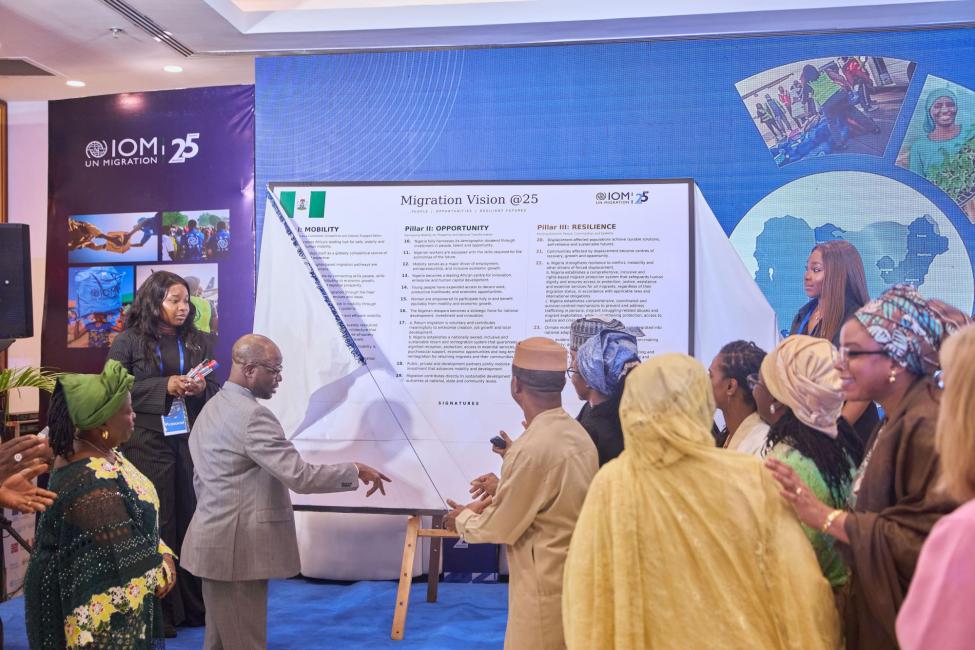
IOM Nigeria: Unveils 25-Year Migration Plan for Nation
Summary
- The International Organization for Migration (IOM) has announced a 25-year migration plan for Nigeria.
- This initiative establishes a long-term strategic direction for migration management within the country.
- The IOM has provided humanitarian assistance to over 2.5 million people in Nigeria since 2014.
- Additionally, the organization has supported nearly 500,000 displaced individuals with shelter.
- The plan is expected to significantly influence Nigeria's national migration strategy and policy framework.
A New Long-Term Migration Strategy for Nigeria
This announcement signals a long-term strategic direction for migration management in Nigeria, moving beyond ad-hoc responses to a more structured and anticipatory approach.
The International Organization for Migration (IOM) has officially unveiled a comprehensive 25-year migration plan specifically designed for Nigeria. This significant announcement signals a long-term strategic direction for migration management within the country, aiming to provide a structured framework for addressing the complex dynamics of human mobility over the coming decades. The initiative underscores a sustained commitment to developing robust policies and programs that align with Nigeria's evolving needs and global migration trends.
This ambitious undertaking by the IOM is poised to shape the future of Nigeria's engagement with both internal and international migration. While specific details of the plan's implementation phases and thematic pillars are anticipated, its very announcement highlights a proactive approach to migration governance. The IOM 25-year migration plan Nigeria is expected to serve as a foundational document, guiding various stakeholders in their efforts to manage migration effectively and humanely across the nation.
Building on Established Humanitarian Efforts
The newly announced 25-year strategy is not an isolated effort but rather builds upon the extensive and long-standing engagement of the International Organization Migration Nigeria in the country. Since 2014, the IOM has been a critical provider of humanitarian assistance, reaching more than 2.5 million individuals across Nigeria. This substantial support demonstrates the organization's deep understanding of the challenges faced by vulnerable populations.
Furthermore, the IOM's commitment to humanitarian aid extends to providing essential shelter. The organization has successfully supported nearly 500,000 displaced people with shelter solutions, addressing one of the most pressing needs for populations affected by crises. These past and ongoing efforts form a crucial backdrop for the new long-term plan, indicating a strategic evolution from immediate response to a more holistic and forward-looking Nigeria national migration strategy.
Strategic Direction and Policy Framework
The unveiling of the IOM 25-year migration plan Nigeria marks a pivotal moment for the nation's migration policy framework. Such a long-term vision suggests a move towards integrated and sustainable solutions for migration challenges, encompassing areas from border management and labor mobility to diaspora engagement and protection of migrants' rights. This strategic direction is crucial for a country like Nigeria, which experiences significant internal and external migration flows.
While the specific regulatory and operational implications of this plan will become clearer as details emerge, its existence signals a comprehensive approach to migration governance. It is anticipated that the plan will influence future legislation, policy development, and resource allocation related to migration, thereby shaping the environment for both Nigerian citizens and international migrants within its borders. This long-term outlook aims to foster stability and harness the developmental potential of migration.
Why This Matters for Nigeria
The introduction of a quarter-century migration plan by the IOM for Nigeria is a testament to the recognition of migration as a fundamental aspect of national development and stability. This announcement signals a long-term strategic direction for migration management in Nigeria, moving beyond ad-hoc responses to a more structured and anticipatory approach. For legal professionals, particularly those advising clients on immigration, labor mobility, or international development projects in Nigeria, monitoring the forthcoming details of this plan is crucial.
While the article lacks specific legal details, lawyers should monitor the forthcoming details of this plan for potential impacts on policy, regulations, and operational requirements. The comprehensive nature of a 25-year strategy suggests that it will likely touch upon various legal and regulatory aspects, from visa policies and labor laws to human rights protections and international agreements. Understanding these shifts will be vital for compliance and strategic planning across diverse sectors affected by migration.
Practical Implications
This announcement signals a long-term strategic direction for migration management in Nigeria. While the article lacks specific legal details, lawyers advising clients on immigration, labor mobility, or international development projects in Nigeria should monitor the forthcoming details of this plan for potential impacts on policy, regulations, and operational requirements.
Source
How does this affect you?
Get an AI analysis of this article grounded in your jurisdictions, practice areas, and any policy documents you've uploaded to Wansom.
Finish Reading the Full Story and the Expert Analysis.
Wansom is AI and can make mistakes.