
Inusah Fuseini: Rejects Ghana Five-Year Term Extension
Summary
- Former Tamale Central MP Inusah Fuseini has rejected a proposal to extend presidential and parliamentary terms from four to five years.
- The proposal originated from the Constitution Review Committee chaired by Professor H. Kwasi Prempeh and has been accepted by the government.
- Fuseini argues the current four-year term is sufficient for policy implementation and that the 1992 Constitution already ensures policy continuity through its Directive Principles of State Policy.
- He questioned the rationale for a five-year term, noting that the first year is for government setup and the last for campaigning, effectively reducing active governance time.
- The Institute of Economic Affairs (IEA) also opposes the extension, agreeing that four years is adequate for an elected government's program.
Proposed Term Extension Faces Scrutiny
The former MP pointed to the 1992 Constitution of Ghana, specifically its Directive Principles of State Policy, as the established mechanism for ensuring continuity in governance.
A significant proposal to lengthen the presidential and parliamentary terms in Ghana from four to five years has met with strong disapproval from former Tamale Central Member of Parliament, Inusah Fuseini. The recommendation, which advocates for a Ghana presidential term extension, originated from the Constitution Review Committee, chaired by Professor H. Kwasi Prempeh. While the government has endorsed this change, citing the benefit of an additional year for administrations to more effectively develop, implement, and evaluate policies, Mr. Fuseini has publicly questioned its underlying justification.
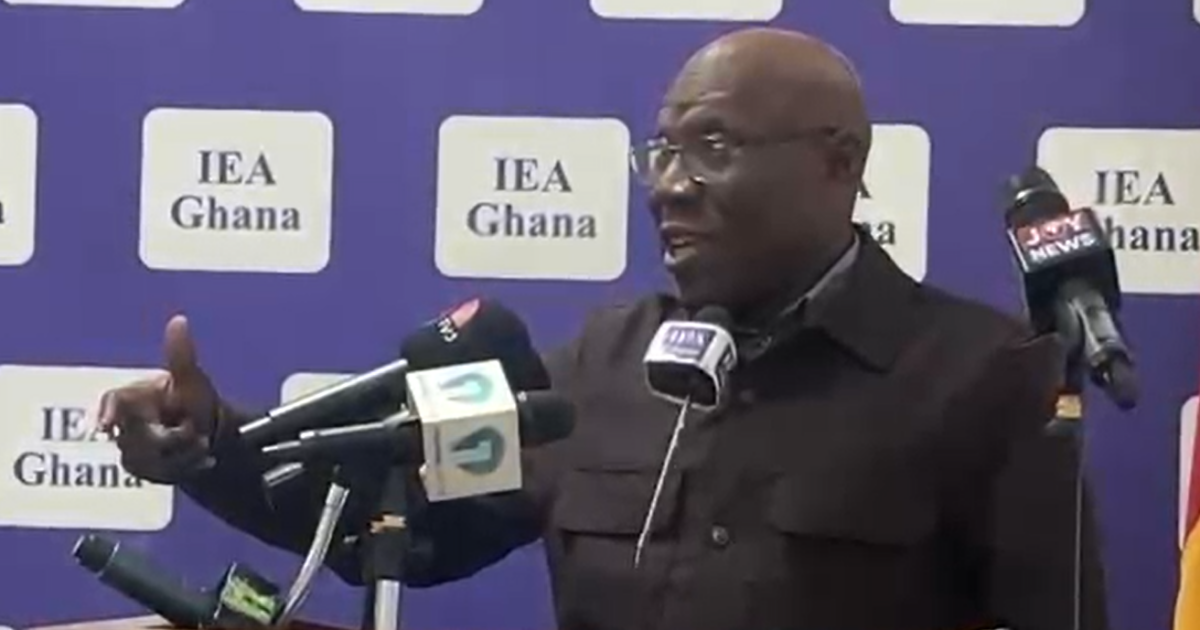
Speaking on Wednesday, September 23, ahead of an Institute of Economic Affairs (IEA) seminar focused on Ghana constitutional reform, Mr. Fuseini articulated his concerns. His rejection of the Ghana five-year term proposal underscores a broader debate within the ongoing Ghana 1992 Constitution review process. The IEA, which hosted the seminar, also aligns with Mr. Fuseini's position, asserting that the existing four-year period is entirely adequate for an elected government to execute its agenda.
Arguments Against a Five-Year Mandate
Inusah Fuseini firmly believes that the current four-year term already provides ample time for any elected government to fulfill its policy commitments. He highlighted a practical reality of the existing term, noting that the final year is typically consumed by campaigning for re-election. This effectively reduces the period for active governance to three years, particularly if a government secures a second term. Given this operational dynamic, Mr. Fuseini questioned the logic of extending the term to five years, especially if the initial year is dedicated to government formation and the final year to electoral campaigns, thereby suggesting two years are effectively 'lost' from policy implementation.
Furthermore, Mr. Fuseini dismissed the argument that a five-year term would inherently lead to improved policy continuity. He stressed that the framework for sustained governance is already embedded within the nation's foundational legal document. His stance on the Inusah Fuseini term limit debate emphasizes that the existing constitutional provisions are sufficient without needing an extension.
Constitutional Safeguards for Policy Continuity
The former MP pointed to the 1992 Constitution of Ghana, specifically its Directive Principles of State Policy, as the established mechanism for ensuring continuity in governance. This constitutional arrangement explicitly mandates that every succeeding President should, as far as practicable, continue with ongoing projects initiated by previous administrations. This provision, he argued, directly addresses the concern for policy consistency across different governments.
Mr. Fuseini elaborated that the constitutional design inherently acknowledges that a President might not be able to exhaust all policy options or complete every initiative within a single term. Therefore, it provides a clear directive for subsequent governments to either continue or enhance existing projects. He concluded by asserting the importance of respecting and upholding this existing constitutional arrangement, which already anticipates and provides for the very continuity that proponents of the five-year term claim to seek through an extension.
Practical Implications
Lawyers and compliance officers in Ghana should closely monitor the ongoing constitutional review process, particularly the debate around extending presidential and parliamentary terms. While this specific proposal faces significant opposition, its progression or eventual rejection will indicate the direction of governance reforms and could impact political stability and the legal framework for future elections.
Source
How does this affect you?
Get an AI analysis of this article grounded in your jurisdictions, practice areas, and any policy documents you've uploaded to Wansom.
Finish Reading the Full Story and the Expert Analysis.
Get the latest legal & regulatory intelligence in Ghana
Wansom is AI and can make mistakes.