
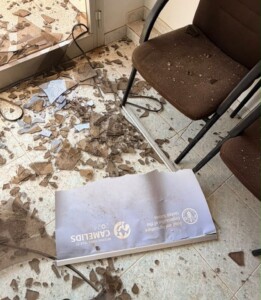
International Community Condemns Drone Attacks on Khartoum, UN Facility
International and United Nations bodies condemned drone attacks attributed to the Rapid Support Forces (RSF) in Khartoum and Omdurman on Sunday, which struck residential areas and a UN building, killing at least four civilians and damaging property. These attacks, which also hit the headquarters of the Food and Agriculture Organization (FAO) and residential areas in Omdurman and Jebel Awliya, prompted strong reactions from ambassadors and UN officials, who stressed the unacceptability of targeting civilians and humanitarian facilities. A related development saw multiple drone strikes reported in the El Mazad neighbourhood of Nyala, South Darfur, near humanitarian organisation offices, further highlighting the widespread nature of these concerning incidents.
This development carries significant legal implications for international humanitarian law (IHL) and the protection of civilians and humanitarian actors in conflict zones. The explicit condemnation by the UN and international diplomatic missions underscores the alleged violations of fundamental IHL principles, including distinction, proportionality, and precaution, which prohibit indiscriminate attacks and the targeting of civilian objects and personnel. The damage to a UN building and the call for protection of humanitarian workers by Denise Brown, the UN Resident and Humanitarian Coordinator, signal a dangerous erosion of the protected status afforded to aid operations under international law, potentially setting a precedent for increased risks to humanitarian missions globally.
The legal context for these condemnations is rooted in the Geneva Conventions and their Additional Protocols, particularly Common Article 3 and Additional Protocol II, which govern non-international armed conflicts and mandate the protection of civilians, civilian objects, and humanitarian personnel. The UN Charter also provides the framework for the UN's operations and the inviolability of its premises and staff. Key parties involved include the Rapid Support Forces (RSF) as the alleged perpetrators, the United Nations (UN) and its agencies (FAO, OCHA), UN officials (Stéphane Dujarric, Denise Brown), Germany’s ambassador Philipp Wendland, the European Union delegation, and various international ambassadors, all representing the international community's response to these grave incidents.
For legal practitioners, particularly those advising international organisations, NGOs, or businesses operating in conflict-affected regions, this situation demands heightened vigilance. Attorneys must counsel clients on the escalating risks to personnel and assets, the critical importance of adhering to international humanitarian principles, and the potential for international legal and diplomatic repercussions for parties involved in such attacks. Monitoring developments regarding accountability for these alleged violations is crucial, as is advising on robust risk mitigation strategies, including enhanced security protocols, comprehensive insurance coverage, and strict compliance with international legal frameworks governing conflict. The outcome of any formal investigation or accountability process for these attacks is not yet reported.
Attorneys should also be prepared to advise on the implications of such attacks for the continuity of humanitarian operations and the potential for legal challenges or sanctions against entities found to be in violation of IHL. The repeated nature of these incidents, as indicated by the report of drone strikes in Nyala, suggests a systemic challenge to civilian protection and humanitarian access that requires sustained legal and diplomatic engagement.
How does this affect you?
Get an AI analysis of this article grounded in your jurisdictions, practice areas, and any policy documents you've uploaded to Wansom.
Finish Reading the Full Story and the Expert Analysis.
Get the latest legal & regulatory intelligence in Sudan
Wansom is AI and can make mistakes.