
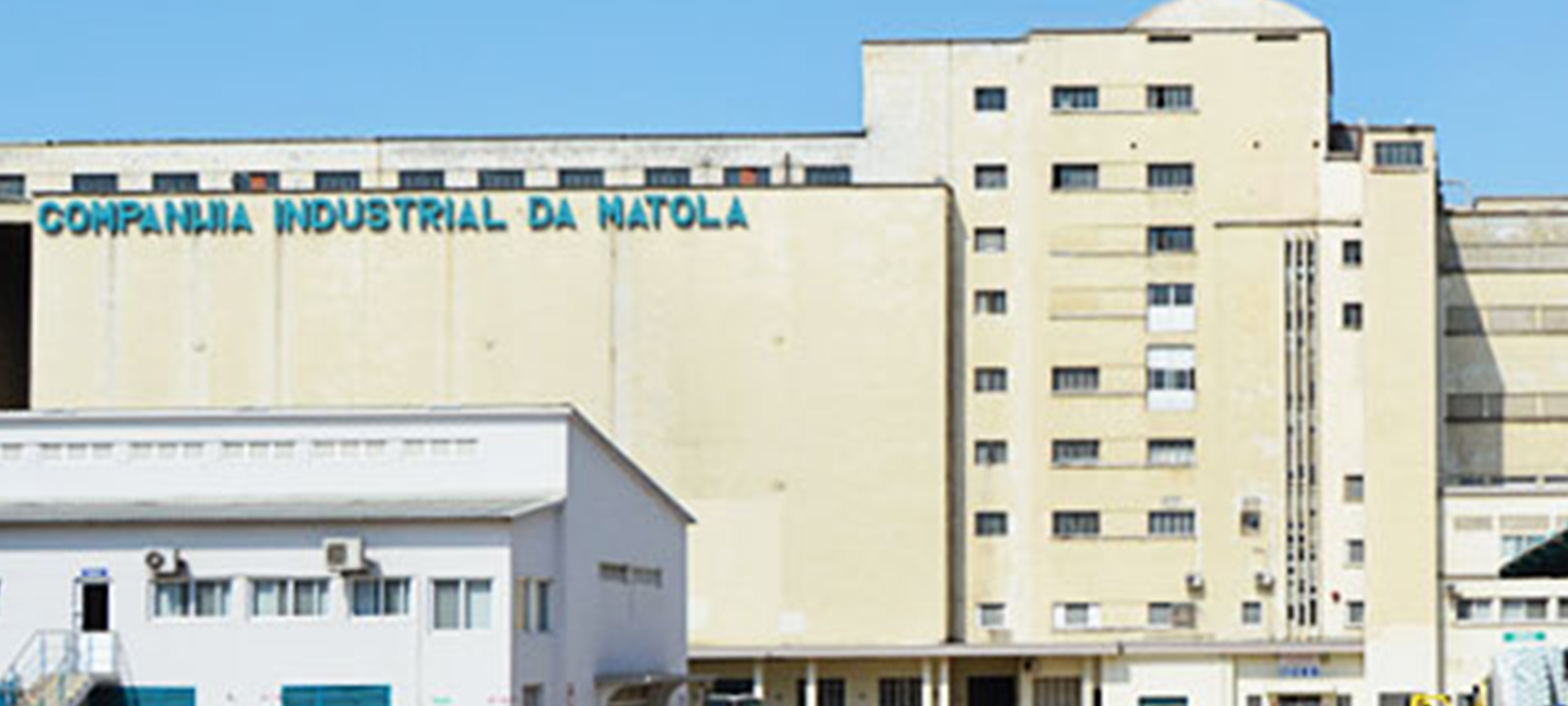
Instituto Cereais Moçambique Suspende Companhia Industrial Matola
Summary
- The Instituto de Cereais de Moçambique (ICM) has indefinitely suspended the rice and wheat import operations of three companies.
- The suspended entities are Companhia Industrial da Matola, África Indústria, and Pembe Mozambique.
- The suspensions were imposed due to violations of the ministerial decree governing cereal imports in Mozambique.
- This enforcement action by the ICM became effective on October 13 of the current year.
- The move highlights strict regulatory enforcement in Mozambique's cereal import sector.
Recent Enforcement Action by Mozambican Cereal Institute
For lawyers and compliance officers advising companies involved in cereal imports in Mozambique, this development necessitates an immediate review of their clients' adherence to the ministerial decree governing such imports.
The Instituto de Cereais de Moçambique (ICM) has taken decisive action against several key players in the country's cereal import market. Specifically, the ICM has imposed an indefinite suspension on the import operations for rice and wheat conducted by Companhia Industrial da Matola, África Indústria, and Pembe Mozambique. This significant measure became effective on October 13 of the current year, marking a critical moment for the affected companies and the broader import sector.
The decision by the Instituto Cereais Moçambique to suspend Companhia Industrial Matola, alongside the other two firms, stems from documented breaches of the ministerial decree that regulates cereal imports within the nation. This enforcement highlights the Mozambican authorities' commitment to upholding established trade regulations and ensuring compliance among importers. The ICM suspensão importação cereais Moçambique underscores a period of heightened scrutiny for businesses operating in this vital economic sector.
Regulatory Context for Cereal Imports
The suspensions issued by the Instituto de Cereais de Moçambique are a direct consequence of non-compliance with the existing legislação importação arroz trigo Moçambique. The ministerial decree in question outlines specific requirements and procedures that companies must adhere to when bringing cereals into the country. This regulatory framework is designed to manage the supply chain, ensure food security, and maintain fair practices within the market. The violação decreto ministerial importação cereais by these prominent companies indicates a failure to meet these established legal obligations.
The Instituto de Cereais de Moçambique serves as the primary regulatory body overseeing the cereal market, tasked with monitoring import activities and enforcing the relevant legal instruments. Its mandate includes ensuring that all imported cereals meet national standards and that import processes are conducted transparently and in accordance with the law. The recent África Indústria Pembe Mozambique suspensão, alongside that of Companhia Industrial da Matola, demonstrates the ICM's active role in penalizing entities that deviate from these critical guidelines, reinforcing the importance of strict adherence to import protocols.
Implications for Importers and Market Stability
The indefinite nature of these suspensions means that Companhia Industrial da Matola, África Indústria, and Pembe Mozambique are currently barred from importing rice and wheat, a situation that could have substantial operational and financial repercussions for these businesses. Given their prominent roles in the Mozambican market, the absence of these companies from the import landscape for an unspecified period could also influence the supply dynamics of these staple grains. The action taken by the Instituto Cereais Moçambique against Companhia Industrial Matola and the other firms sends a clear message to all participants in the cereal import sector regarding the seriousness of regulatory compliance.
For lawyers and compliance officers advising companies involved in cereal imports in Mozambique, this development necessitates an immediate review of their clients' adherence to the ministerial decree governing such imports. The Instituto de Cereais de Moçambique is actively enforcing compliance and imposing indefinite operational suspensions for violations, making it imperative for all importers to ensure their practices align perfectly with the national legislation. This situation underscores the critical need for robust internal compliance frameworks to avoid similar punitive actions.
Practical Implications
Lawyers and compliance officers advising companies involved in cereal imports in Mozambique must immediately review their clients' adherence to the ministerial decree governing such imports, as the Instituto de Cereais de Moçambique is actively enforcing compliance and imposing indefinite operational suspensions for violations.
Source
Source: Original reporting via O País
How does this affect you?
Get an AI analysis of this article grounded in your jurisdictions, practice areas, and any policy documents you've uploaded to Wansom.
Finish Reading the Full Story and the Expert Analysis.
Get the latest legal & regulatory intelligence in Mozambique
Wansom is AI and can make mistakes.