
INEC Nigeria: 2027 Youth Voter Decline Sees 10% Drop to 29.79%
Summary
- The Independent National Electoral Commission (INEC) has explained a significant drop in youth voter share for the 2027 general election.
- Youth now comprise 29.79 percent of the voter register being prepared for 2027.
- This represents a decrease from 39.65 percent of the voter register in 2023.
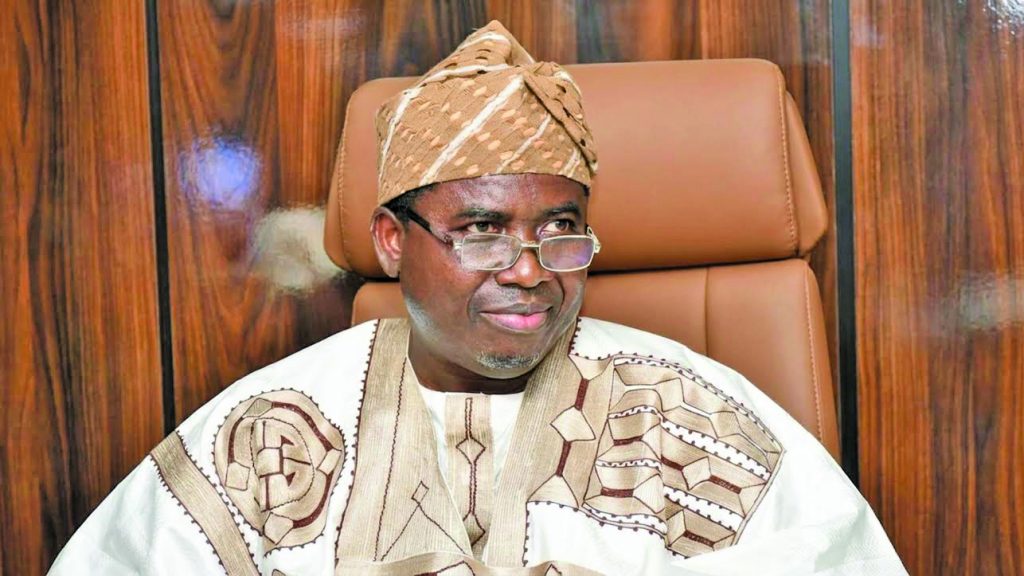
- Professor Joash Amupitan SAN, Chairman of INEC, provided this explanation.
- The decline indicates a notable shift in Nigeria's electoral demographics.
What Happened
The decline of nearly ten percentage points in the youth segment of the electorate could have far-reaching implications for political engagement and the outcomes of future elections.
The Independent National Electoral Commission (INEC) in Nigeria has recently offered an explanation for a notable decrease in the proportion of young voters on the nation's electoral roll. Data released by the commission indicates that individuals classified as youth now constitute 29.79 percent of the voter register being compiled in preparation for the 2027 general election. This figure represents a significant reduction when compared to the 2023 register, where youth voters accounted for a larger share of 39.65 percent of the total electorate. This specific data point highlights a substantial shift in the demographic makeup of Nigeria's registered voters.
This decline of nearly ten percentage points in the youth segment of the electorate could have far-reaching implications for political engagement and the outcomes of future elections. The change in the INEC voter register statistics youth suggests a potential re-evaluation of strategies by political parties and candidates. Understanding the underlying reasons behind this trend is crucial for all stakeholders involved in the democratic process, from political parties to civil society organizations, as they prepare for the upcoming electoral cycle. The Independent National Electoral Commission youth voters data provides a critical early indicator of the evolving electorate.
Electoral Demographics and Trends
The reported decrease in the youth share of the voter register points to evolving Nigerian electoral trends regarding youth participation. The Independent National Electoral Commission's statistics on the voter register reveal a demographic realignment that could reshape campaign strategies for the upcoming 2027 general election. This particular data focuses on the register currently under preparation, providing an early insight into the potential voter landscape and the composition of the electorate. The shift from 39.65 percent in 2023 to 29.79 percent for 2027 signifies a considerable contraction of this vital voting bloc's relative size.
Such a decline in the percentage of youth voters, as indicated by the INEC voter register statistics youth, suggests a need for deeper analysis into registration patterns, voter turnout, and engagement efforts targeting younger demographics. This demographic change could influence policy debates and candidate selection in the lead-up to the next national polls, as political entities adapt to a potentially older average voter. The implications for Nigeria 2027 general election demographics are significant, requiring careful consideration from all political stakeholders.
Official Statement and Broader Context
The official clarification regarding this demographic change was issued by the Chairman of the Independent National Electoral Commission, Professor Joash Amupitan SAN. His statement addressed the reasons behind the observed reduction in the youth segment of the voter population, drawing a direct comparison between the voter registers for the 2023 and the forthcoming 2027 general elections. This authoritative explanation from the head of INEC Nigeria is critical for understanding the official perspective on these evolving electoral dynamics and the factors contributing to the youth voter decline.
The commission's insights are particularly relevant for political actors and analysts who monitor Nigerian electoral trends youth participation. The data underscores a potential challenge for parties aiming to mobilize younger voters, as their overall proportion within the registered electorate has diminished. This information is essential for crafting effective outreach programs and ensuring that the concerns of all demographic groups are adequately represented in the political discourse leading up to 2027. The Independent National Electoral Commission youth voters data will undoubtedly inform strategic planning for the next election cycle.
Practical Implications
While not presenting a direct compliance or litigation action, this information is crucial for lawyers advising political parties, candidates, or advocacy groups on electoral strategy and voter engagement ahead of the 2027 general elections in Nigeria. It highlights a significant demographic shift in the voter base that could impact campaign planning and policy focus.
Source
How does this affect you?
Get an AI analysis of this article grounded in your jurisdictions, practice areas, and any policy documents you've uploaded to Wansom.
Wansom is AI and can make mistakes.