
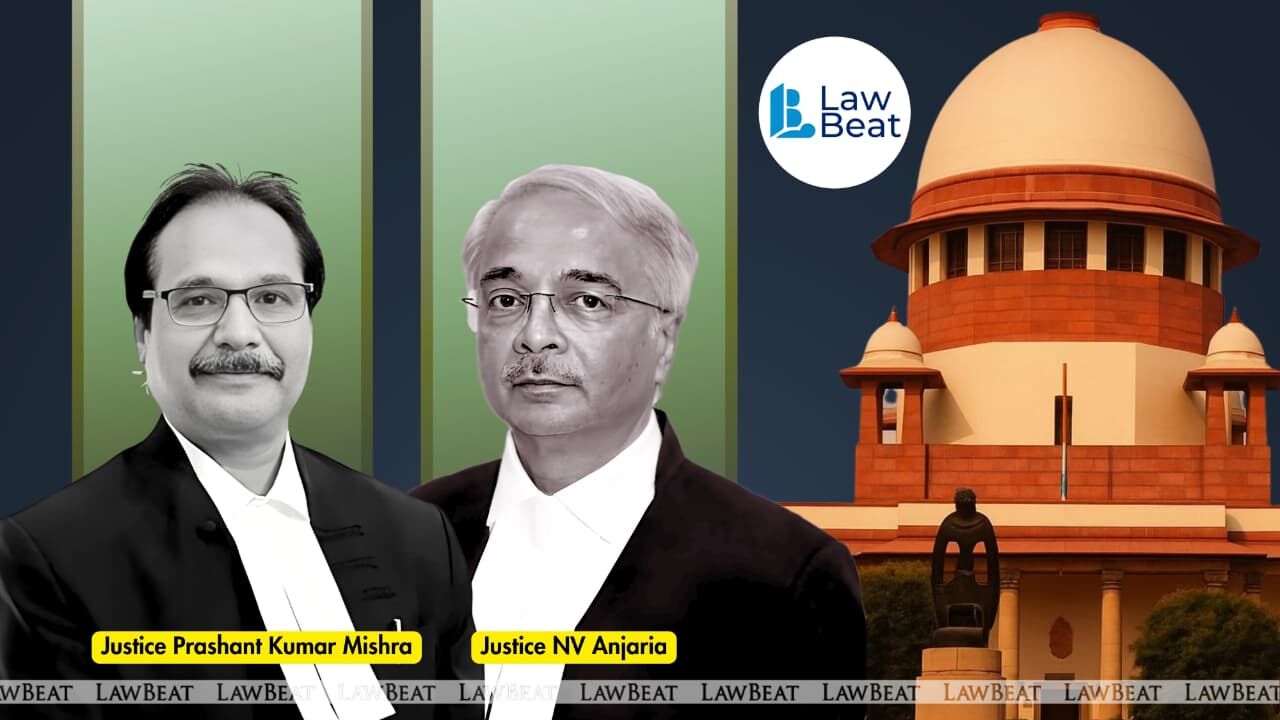
Madras High Court: Specific Performance Not a Right in Indian Contract Law
Summary
- The Supreme Court has clarified that specific performance is not a right in Indian contract law, but rather an equitable relief.
- A plaintiff seeking specific performance must continuously plead and prove their readiness and willingness to perform their part of the agreement from the date of the contract until the decree.
- Buyers seeking specific performance after unilateral termination of a sale agreement may be impacted by the court's decision.
- The Supreme Court emphasized the importance of considering the totality of circumstances, including the conduct of parties and potential hardship to the defendant, before exercising jurisdiction in granting equitable relief.
What Happened
Courts must consider the totality of circumstances, including the conduct of parties and potential hardship to the defendant, before exercising such jurisdiction.
The Supreme Court has clarified that specific performance is not a right in Indian contract law, but rather an equitable relief that requires continuous readiness and willingness to perform contractual obligations. In the case of V N A S Chandran vs S Venilla And Others, the court held that a plaintiff seeking specific performance must continuously plead and prove their readiness and willingness to perform their part of the agreement from the date of the contract until the decree.
The court's decision was made in response to an appeal filed by V N A S Chandran against a Madras High Court judgment that had decreed a suit for specific performance in favour of S Venilla. The Supreme Court found that Venilla had failed to establish her continuous readiness and willingness to perform the contract, citing several instances of her conduct, including the dishonour of cheques due to insufficient funds in her bank account.
The court also noted that Venilla's long delay in pursuing the matter, nearly two decades since the agreement to sell was made, weighed against her. The Bench further clarified that specific performance is a discretionary and equitable relief that cannot be granted as a matter of right, particularly where the plaintiff's conduct lacks bona fides.
Legal Context
The Supreme Court's decision has significant implications for buyers seeking specific performance after unilateral termination of a sale agreement. The court held that such termination amounts to repudiation of the contract and that the aggrieved buyer can treat the agreement as continuing and sue for specific performance without separately seeking a declaration that the termination was invalid.
The court also clarified that a respondent can support a decree by challenging an adverse finding without filing cross-objections, so long as they do not seek any additional relief beyond what was granted by the trial court. This decision may impact lawyers and compliance officers who must consider the continuous readiness requirement for specific performance in their contractual obligations.
The case highlights the importance of considering the totality of circumstances, including the conduct of parties and potential hardship to the defendant, before exercising jurisdiction in granting equitable relief.
Why It Matters
The Supreme Court's decision has clarified that specific performance is not a right in Indian contract law, but rather an equitable relief that requires continuous readiness and willingness to perform contractual obligations. This decision may impact buyers seeking specific performance after unilateral termination of a sale agreement.
Lawyers and compliance officers should note that the court's ruling emphasizes the importance of considering the totality of circumstances, including the conduct of parties and potential hardship to the defendant, before exercising jurisdiction in granting equitable relief.
The decision also highlights the need for buyers to demonstrate diligent performance of contractual obligations and to continuously plead and prove their readiness and willingness to perform their part of the agreement from the date of the contract until the decree.
Practical Implications
Lawyers and compliance officers should note that the Supreme Court has clarified that specific performance is not a right, but rather an equitable relief that requires continuous readiness and willingness to perform contractual obligations. This decision may impact buyers seeking specific performance after unilateral termination of a sale agreement.
Source
How does this affect you?
Get an AI analysis of this article grounded in your jurisdictions, practice areas, and any policy documents you've uploaded to Wansom.
Wansom is AI and can make mistakes.