
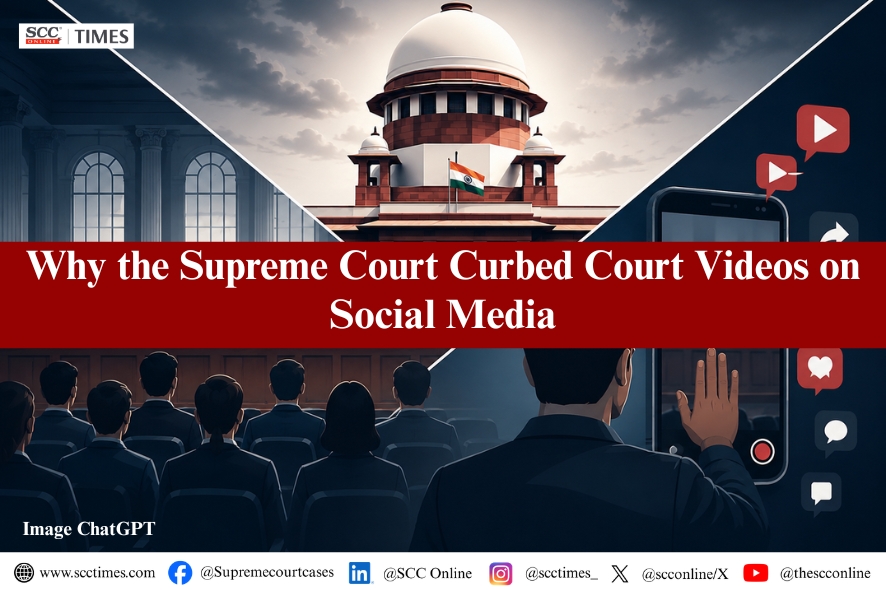
India Supreme Court: Bans Judicial Proceedings Video Sharing on Social Media
Summary
- India's Supreme Court has issued an interim order restricting the sharing of judicial proceedings recordings on social media.
- The order prohibits editing, uploading, reposting, and monetising these recordings.
- Recognised news outlets are exempt from a blanket ban on reporting, but are prohibited from using audio or video clips of court proceedings in their reportage without prior permission.
The Court's New Directive
The order marks a clear stance by the nation's highest judicial body regarding the appropriate use of "Supreme Court judicial proceedings recordings" on public platforms.
India's Supreme Court has issued a significant interim order, establishing new restrictions on the handling of judicial proceedings recordings across social media platforms. This directive specifically prohibits individuals and entities from editing, uploading, reposting, or monetising any such recordings. The broad scope of the ban aims to control the dissemination and potential commercial exploitation of court proceedings in the digital sphere.
The order marks a clear stance by the nation's highest judicial body regarding the appropriate use of "Supreme Court judicial proceedings recordings" on public platforms. While the directive imposes a wide-ranging "India court video social media ban" on various activities, it notably includes a critical exemption. Recognised news outlets are permitted to continue reporting on court proceedings, but are prohibited from utilising audio or video clips of the proceedings in their reportage without prior permission. This "interim order court video sharing" restriction is now a crucial consideration for anyone involved in digital content related to the judiciary.
Context and Implications for Digital Dissemination
The Supreme Court's move reflects a growing global trend of judicial systems grappling with the challenges and opportunities presented by digital media. While increased transparency through live streaming or recordings can enhance public understanding of legal processes, uncontrolled dissemination, especially through editing or monetisation, poses risks. These risks can include misrepresentation of proceedings, potential for sensationalism, and undermining the decorum and sanctity of the court. The "India Supreme Court video sharing social media" landscape is now subject to stricter oversight, aiming to balance public access with judicial integrity.
This "India court video social media ban" on specific actions underscores the judiciary's concern about maintaining the integrity of its proceedings. While the order is interim, it signals a potential shift towards more regulated public access to "Supreme Court judicial proceedings recordings." Violations of such judicial directives could potentially lead to serious consequences, including actions related to "contempt of court social media India," emphasizing the need for strict adherence to the new rules. The court's decision to issue an interim order suggests an ongoing evaluation of how best to manage the digital footprint of its operations.
Navigating the New Restrictions
The "interim order court video sharing" has immediate and significant implications for a wide array of stakeholders, from individual social media users to legal professionals and media organisations. Lawyers must now advise their clients, whether they are private citizens, content creators, or corporate entities, on the precise boundaries of this new prohibition. Understanding what constitutes "recognised news outlets court video exemption" will be paramount, as this distinction dictates who can and cannot engage in the specified activities.
Compliance officers within media companies and other organisations that might handle "Supreme Court judicial proceedings recordings" must review their content policies to ensure full adherence to the Supreme Court's directive. The exemption for "recognised news outlets" highlights the court's trust in established journalistic practices, but also places a greater responsibility on these entities to maintain accuracy and context, while explicitly prohibiting the use of audio or video clips without permission. For all others, the "India Supreme Court video sharing social media" landscape has fundamentally changed, requiring careful consideration before any judicial recording is shared or manipulated online.
Practical Implications
Lawyers must advise clients, including individuals and media entities, on the new interim restrictions regarding sharing judicial proceeding recordings on social media. Compliance officers should review content policies to ensure adherence, especially concerning the exemption for recognised news outlets.
Source
How does this affect your business?
Get an AI analysis of this article grounded in your jurisdictions, practice areas, and any policy documents you've uploaded to Wansom.
Wansom is AI and can make mistakes.