
India Supreme Court: Mandates Stem Cell Autism Regulation Protocol
Summary
- The Supreme Court of India has directed the government to issue a clear regulatory protocol for stem cell therapy in Autism Spectrum Disorder (ASD).
- Stem cell therapy for ASD cannot be offered as a clinical service outside of approved research or clinical trials.
- The Ministry of Health and Family Welfare must publish a comprehensive protocol within six weeks and inform the public about the current impermissibility of such clinical services.
- Medical practitioners providing unapproved stem cell therapy for ASD are failing to meet the reasonable standard of care.
- Research involving stem cells is regulated differently based on the level of manipulation, with CDSCO overseeing more complex interventions under the New Drugs and Clinical Trial Rules, 2019.
Supreme Court's Directive on Stem Cell Therapy
Consequently, any medical practitioner offering unapproved stem cell therapy India as a clinical service, outside of an approved and monitored research or clinical trial setting, is deemed to have failed in meeting the reasonable standard of care owed to their patients.
The Supreme Court of India has issued a significant directive concerning stem cell therapy for Autism Spectrum Disorder (ASD), instructing the Union government to establish a clear regulatory protocol for such interventions. This ruling firmly reiterates that stem cell therapy for ASD cannot be provided as a routine clinical service unless it is part of an approved and monitored research or clinical trial. The Court also mandated the creation of a portal to oversee patients currently undergoing these treatments.
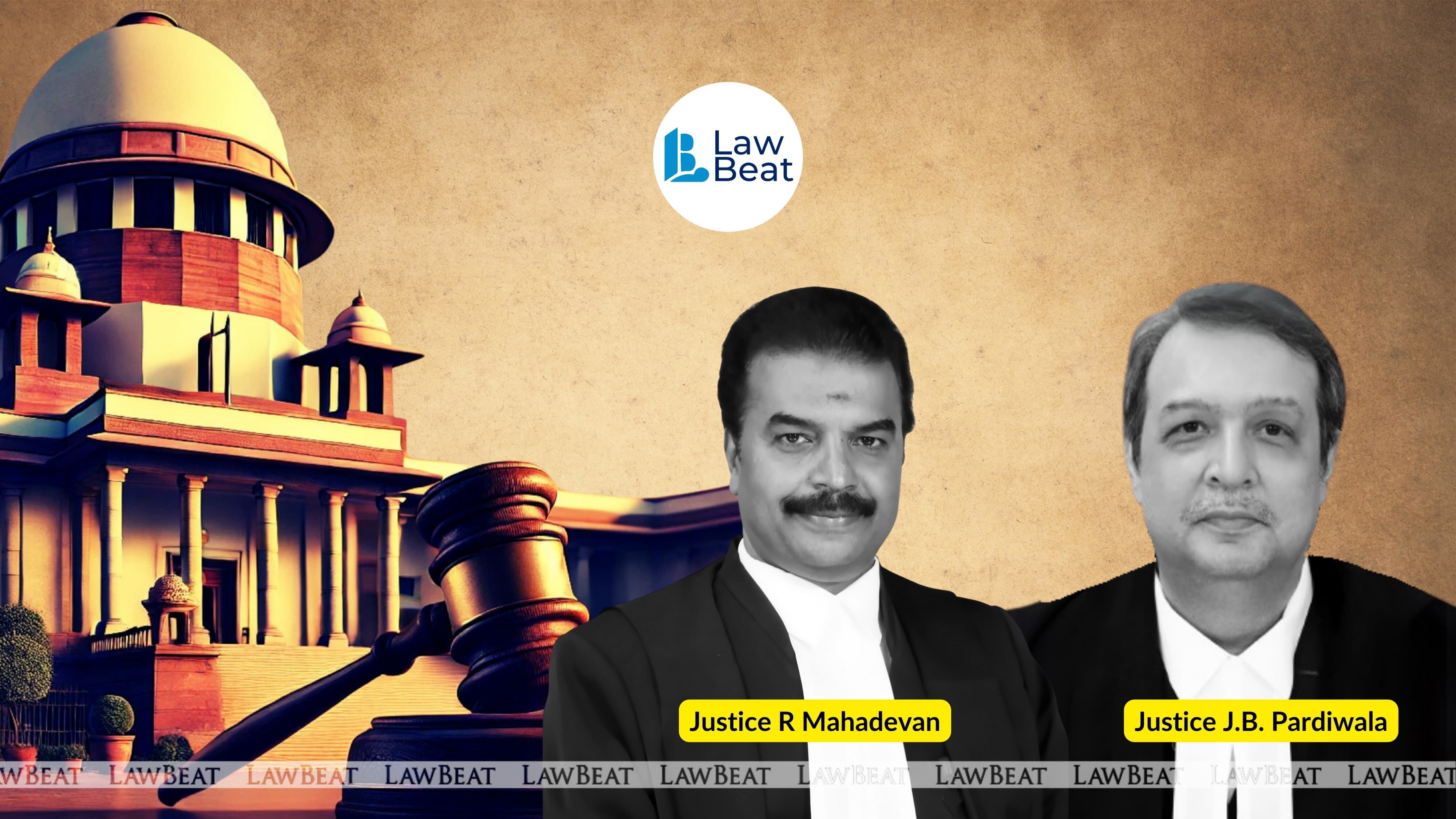
Justices J. B. Pardiwala and R. Mahadevan observed that the lack of easily accessible information regarding the regulatory status of stem cell therapies had enabled various clinics and medical professionals to market and offer these interventions for ASD, often presenting them as legitimate medical treatments. To address this, the Ministry of Health and Family Welfare has been given a six-week deadline to formulate a comprehensive protocol. This protocol must elucidate the regulatory framework governing the use of stem cells in research and clinical trials related to ASD and actively raise public awareness about the existing guidelines. Crucially, the Ministry must explicitly inform the public that stem cell therapy for ASD is not currently permissible as a clinical service.
Regulatory Framework and Standard of Care
The Court's directive also clarified the existing regulatory landscape for stem cell research in India, distinguishing between different levels of cellular manipulation. Research involving stem cells that have undergone more than minimal manipulation falls under the purview of the Central Drugs Standard Control Organisation (CDSCO), as stipulated by the New Drugs and Clinical Trial Rules, 2019. Conversely, research involving minimal or less than minimal manipulation is regulated by the Department of Health Research, operating under the oversight of the National Stem Cell Research Regulation Committee. This differentiation underscores the nuanced approach to regulating stem cell interventions based on their complexity.
Furthermore, the Supreme Court unequivocally stated that the therapeutic application of stem cells for ASD is not recognized as "sound and relevant medical practice" by the relevant authorities, given current scientific understanding and established regulatory standards. Consequently, any medical practitioner offering unapproved stem cell therapy India as a clinical service, outside of an approved and monitored research or clinical trial setting, is deemed to have failed in meeting the reasonable standard of care owed to their patients. While individuals diagnosed with ASD or their caregivers cannot demand such procedures as a clinical service, they retain the option to participate in approved and regulated research or clinical trials, provided they are aware of the distinction and avoid any "therapeutic misconception" about the trial's purpose.
Implications for Healthcare and Public Awareness
This landmark ruling carries significant implications for the healthcare sector, particularly for those involved in stem cell therapy autism. By demanding a clear protocol and public awareness campaign, the Court aims to prevent medical malpractice and ensure strict compliance with legal and ethical standards. The emphasis on the reasonable standard of care means that healthcare providers must exercise extreme caution and adhere to established regulatory frameworks, such as those overseen by CDSCO stem cell therapy autism, to avoid potential legal repercussions.
The directive also serves to protect vulnerable patients and their families from unproven treatments marketed deceptively. While the Court's January 30, 2026 judgment does not permanently preclude the possibility of stem cell interventions for ASD becoming permissible in the future, it firmly establishes the current boundaries. This ensures that any future advancements in this field will be introduced through rigorous, approved research and clinical trials, rather than through unregulated clinical services. The Ministry of Health Family Welfare stem cell protocol, once issued, will be a critical document for all stakeholders.
Practical Implications
Lawyers advising healthcare providers must ensure strict compliance with the upcoming government protocol and existing regulations regarding stem cell therapy for Autism Spectrum Disorder (ASD), as offering such services outside approved trials now constitutes a failure to meet the reasonable standard of care, exposing practitioners to medical malpractice claims. Compliance officers in medical and research institutions must immediately cease any unapproved clinical services involving stem cell therapy for ASD and prepare to integrate the new regulatory framework into their operations.
Source
How does this affect you?
Get an AI analysis of this article grounded in your jurisdictions, practice areas, and any policy documents you've uploaded to Wansom.
Finish Reading the Full Story and the Expert Analysis.
Wansom is AI and can make mistakes.