
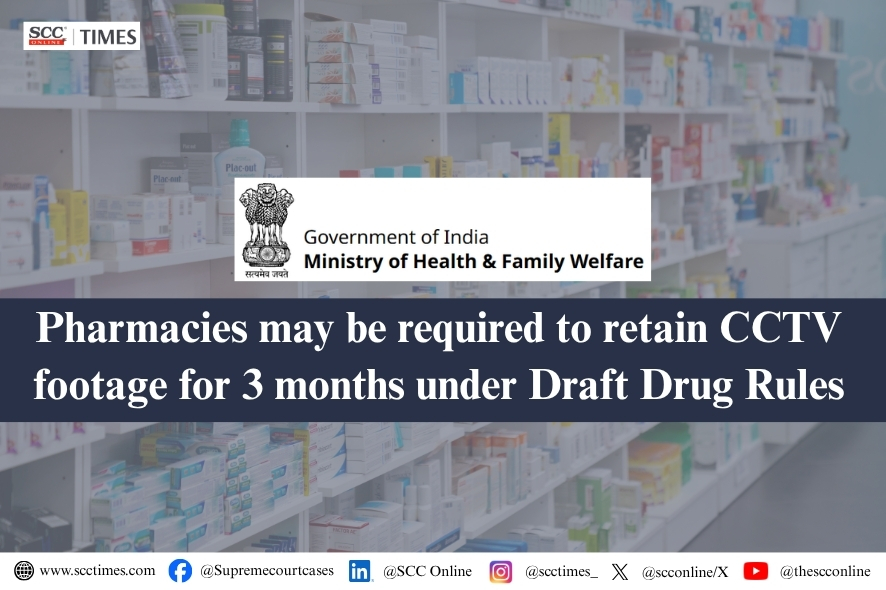
India Health Ministry: Draft Drug Rules Mandate Pharmacy CCTV
Summary
- India's Health Ministry has proposed an amendment to the Drugs Rules, 1945.
- The amendment mandates CCTV surveillance in licensed premises dispensing prescription medicines.
- All CCTV recordings must be retained for a minimum period of three months.
What Happened
Lawyers advising pharmaceutical clients in India should closely monitor the finalization of these draft rules, as they will introduce new compliance obligations regarding CCTV installation and footage retention.
The Indian Health Ministry has put forward a significant amendment to the existing regulatory framework governing pharmaceutical operations. This proposed change targets the venerable Drugs Rules, 1945, aiming to introduce new requirements for establishments involved in dispensing medicines. Specifically, the amendment mandates the installation and operation of closed-circuit television (CCTV) systems within licensed premises that distribute prescription drugs. This move signals a heightened focus on oversight within the pharmaceutical supply chain, particularly at the point of sale.
The draft rules stipulate that any video recordings captured by these surveillance systems must be securely stored for a minimum duration of three months, establishing a clear standard for data retention. This initiative, part of broader Health Ministry drug rules India, is poised to reshape operational protocols for numerous pharmacies across the nation.
Regulatory Proposal Details
The core of the proposed amendment to the Drugs Rules, 1945, centers on enhancing accountability and transparency in the dispensing of prescription medicines. Under the new provisions, all licensed establishments engaged in providing prescription-only drugs to the public would be required to maintain active CCTV surveillance. This requirement extends to the physical spaces where these critical medications are handled and distributed.
A key component of the proposed India Draft Drug Rules pharmacy CCTV framework is the explicit stipulation for data retention: all recorded footage must be preserved for a period no less than three months. This specific duration aims to provide a sufficient window for regulatory bodies to review activities, investigate incidents, or verify compliance, thereby strengthening the overall prescription medicine surveillance India landscape.
Compliance and Operational Impact
The introduction of these new regulations will necessitate substantial adjustments for pharmaceutical retailers and other licensed entities dispensing prescription medicines. Compliance with the proposed Drugs Rules 1945 amendment India will involve not only the initial capital outlay for CCTV equipment installation but also ongoing operational costs associated with maintaining the systems and managing the extensive data storage requirements.
The mandate for pharmacy CCTV retention India for a minimum of three months implies a need for robust digital infrastructure capable of securely storing large volumes of video data. Businesses will need to develop clear protocols for data access, security, and eventual deletion, ensuring adherence to both the new drug regulation compliance India standards and broader data protection principles. Lawyers advising pharmaceutical clients in India should closely monitor the finalization of these draft rules, as they will introduce new compliance obligations regarding CCTV installation and footage retention. Compliance officers, in particular, should begin preparing for potential operational changes and data storage requirements to ensure a smooth transition once the rules are enacted.
Practical Implications
Lawyers advising pharmaceutical clients in India should monitor the finalization of these draft rules, as they will introduce new compliance obligations regarding CCTV installation and 3-month footage retention for premises dispensing prescription medicines. Compliance officers should prepare for potential operational changes and data storage requirements.
Source
Source: Original reporting via SCC Times
How does this affect you?
Get an AI analysis of this article grounded in your jurisdictions, practice areas, and any policy documents you've uploaded to Wansom.
Finish Reading the Full Story and the Expert Analysis.
Get the latest legal & regulatory intelligence in India
Wansom is AI and can make mistakes.