
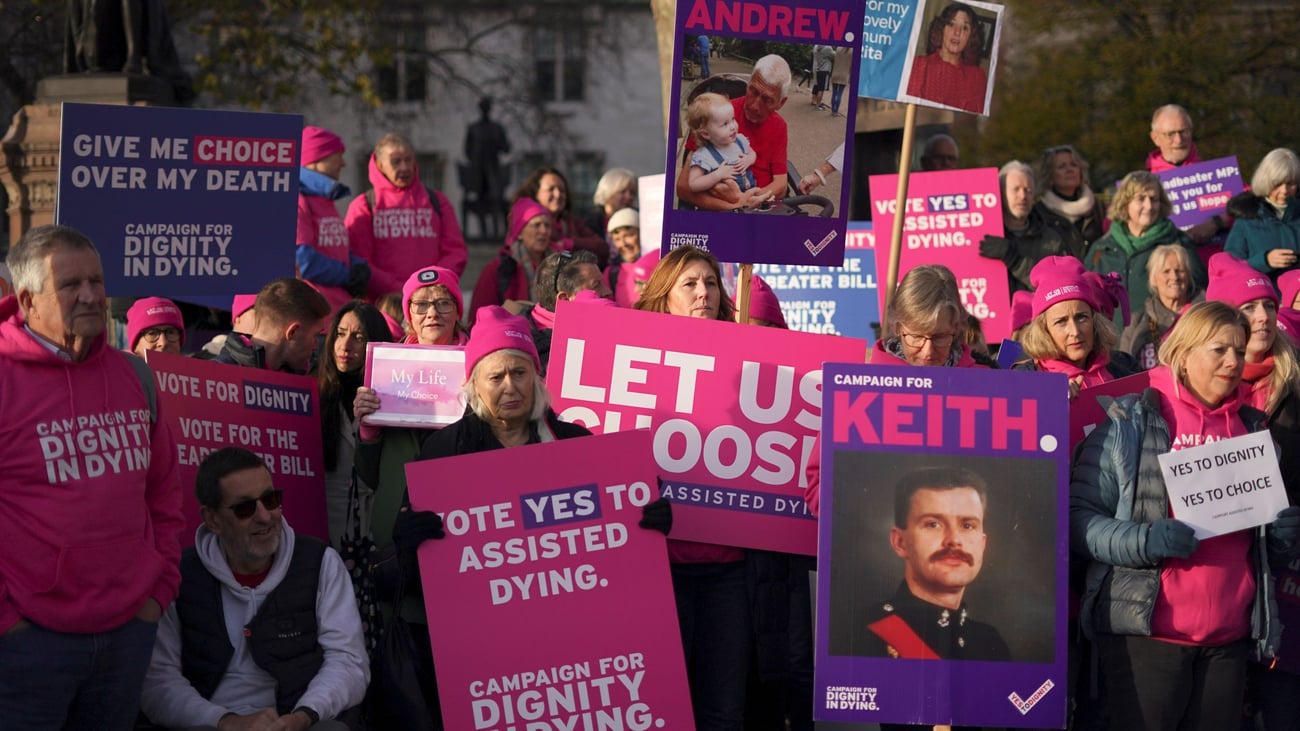
Illinois Doctors Sue to Block Assisted Suicide Law
Summary
- A group of Catholic doctors and clergy have filed a lawsuit challenging the constitutionality of Illinois' End-of-Life Options Act.
- The law requires doctors to engage in speech that is contrary to their deeply held religious beliefs, violating their First Amendment right to free speech.
- The plaintiffs argue that the law violates the due process clause of the Fourteenth Amendment and is overly vague, failing to define what constitutes 'intentionally misleading' information.
- If the court rules in favor of the plaintiffs, it could lead to changes in the law or its enforcement, impacting healthcare providers' obligations under the statute.
Physician's Oath vs. Assisted Suicide Law
The plaintiffs argue that the law requires doctors to engage in speech that is contrary to their deeply held religious beliefs, violating their First Amendment right to free speech.
A group of Catholic doctors and clergy have filed a lawsuit in federal court, challenging the constitutionality of Illinois' End-of-Life Options Act. The law, set to go into effect on September 12, allows qualified patients to request medication that will end their life in a peaceful manner. However, the plaintiffs argue that this legislation runs afoul of the physician's oath to 'do no harm.' They claim that the law requires doctors to engage in speech that is contrary to their deeply held religious beliefs, violating their First Amendment right to free speech. The plaintiffs also argue that the law puts them between a rock and a hard place, forcing them to choose between their professional obligations and their personal convictions.
Legal Challenges to the End-of-Life Options Act
The lawsuit raises several legal challenges to the End-of-Life Options Act. The plaintiffs argue that the law violates the due process clause of the Fourteenth Amendment, which prohibits the government from defining statutory terms in a way that deprives persons of fair notice of the law's scope and allows for arbitrary and discriminatory enforcement. They also claim that the law is overly vague, failing to define what constitutes 'intentionally misleading' information. This vagueness, they argue, violates the Fourteenth Amendment's ban on undue vagueness. Furthermore, the plaintiffs contend that the law requires doctors to lie on death certificates by hiding the fact that a patient obtained lethal medication under the Act.
Consequences of the Law for Healthcare Providers
The lawsuit may have significant implications for healthcare providers in Illinois. If the court rules in favor of the plaintiffs, it could lead to changes in the law or its enforcement. This, in turn, could impact the obligations of healthcare providers under the statute. Lawyers and compliance officers should be aware of these potential developments and their implications for clients' obligations under the Act.
Practical Implications
This lawsuit may have significant implications for healthcare providers in Illinois, as it challenges the constitutionality of the state's assisted suicide law. Lawyers and compliance officers should watch for potential changes to the law or court rulings that could impact their clients' obligations under the statute.
Source
How does this affect you?
Get an AI analysis of this article grounded in your jurisdictions, practice areas, and any policy documents you've uploaded to Wansom.
Wansom is AI and can make mistakes.