
DFFE: Intercepts Illegal Baobab Harvesting, Enforces National Forests Act
Summary
- Five baobab trees illegally harvested in Limpopo were seized in KwaZulu-Natal by DFFE officials.
- The trees are scheduled for replanting at Timbavati Nature Reserve in Limpopo this week.
- The National Forests Act Section 15(1) prohibits the unauthorized removal or possession of protected trees, with penalties including fines and up to three years imprisonment.
- The DFFE has opened a criminal case against the owner of the landscaping company allegedly responsible for the illegal harvesting, with the matter currently proceeding through the courts.
- The Baobab Foundation, led by Dr. Sarah Venter, secured donor funding to cover the rescue, treatment, and relocation costs of the trees.
Illegal Baobab Seizure
Individuals convicted of violating Section 15(1) face potential sentencing to a fine, imprisonment for up to three years, or both.
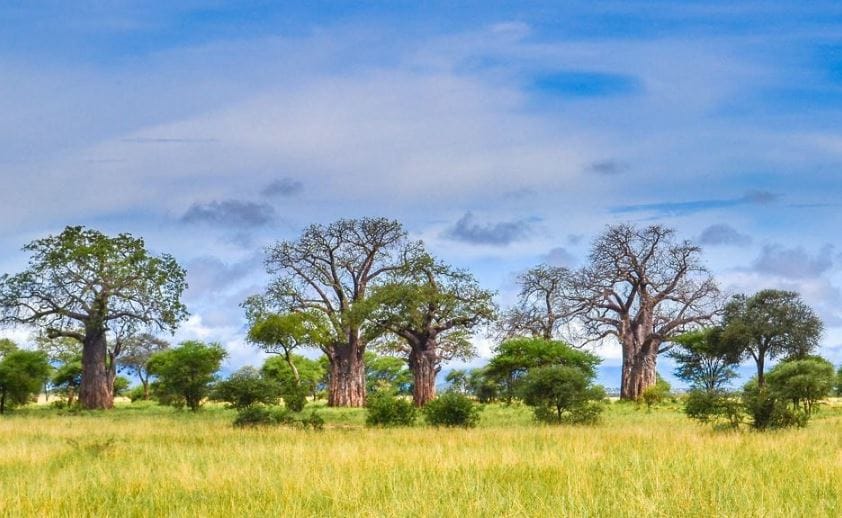
Five baobab trees, illegally harvested from Lephalale in Limpopo, were recently intercepted and recovered in KwaZulu-Natal. Officials from the Department of Forestry, Fisheries and the Environment (DFFE) located the trees on Tuesday at the premises of a private freight company situated on the Bluff within the eThekwini Metropolitan Municipality. This significant baobab tree seizure KZN Limpopo operation followed a tracing effort by the DFFE, leading to the discovery of the protected specimens far from their natural habitat. The trees are now slated for replanting this week at the Timbavati Nature Reserve, also located in Limpopo, aiming to return them to a suitable environment within their natural distribution range.
Legal Ramifications and Enforcement
The illicit removal and transportation of these baobab trees constitute a serious breach of South Africa's environmental laws, specifically contravening the National Forests Act Section 15(1). This crucial legislation strictly prohibits various actions concerning protected trees, including their cutting, disturbance, damage, or destruction. Furthermore, the Act extends its prohibitions to the possession, collection, removal, transportation, export, purchase, sale, donation, or any other form of acquisition or disposal of such trees, or any forest product derived from them, unless a license from the Minister or an applicable exemption published in the Government Gazette is in place. The DFFE protected tree regulations classify such an offense as a first-category crime under Section 62(2) of the Act, carrying severe illegal tree removal penalties ZA.
Individuals convicted of violating Section 15(1) face potential sentencing to a fine, imprisonment for up to three years, or both. In response to this incident, the DFFE has initiated a criminal case against the owner of the landscaping company allegedly responsible for the illegal baobab harvesting and subsequent transportation, with the matter currently proceeding through the courts, underscoring the government's commitment to combating South Africa environmental crime.
Conservation and Recovery Efforts
Following their recovery, the immediate priority shifted to ensuring the survival of the five baobab trees. Dr. Sarah Venter, the founder of the Baobab Foundation and a professional with two decades of experience in the baobab industry, is spearheading the complex relocation process. Before the trees could be transported back to Limpopo, Dr. Venter undertook critical treatment at the freight company's site. This involved carefully removing any affected wood and applying lime sulphur to the trees to prevent further rot and enhance their chances of recovery. The DFFE made the strategic decision to relocate the trees to an area within their natural distribution range, a measure designed to significantly minimize the risk of mortality and improve their long-term prospects for survival.
The relocation efforts faced initial delays due to costs that were not aligned with prevailing market rates. However, the Baobab Foundation intervened, providing crucial assistance to the DFFE by securing donor funding. This financial support covers the entire spectrum of the rescue, relocation, and planting process. Importantly, it also includes provisions for post-relocation measures, which are vital for protecting the trees against external disturbances that could compromise their survival in their new environment.
Why It Matters
This incident serves as a stark reminder of the ongoing challenges posed by illegal baobab harvesting National Forests Act violations and the robust enforcement actions being taken by South African authorities. The DFFE's swift response, from tracing the illegally removed trees across provinces to initiating a criminal case, highlights the serious legal consequences for those who disregard environmental protection laws. The involvement of expert conservationists like Dr. Sarah Venter and the Baobab Foundation further underscores the collaborative effort required to protect South Africa's natural heritage. This case not only brings attention to the vulnerability of iconic species like the baobab but also reinforces the message that environmental crimes, particularly those involving protected trees, will be met with significant legal and punitive measures. The ongoing court proceedings will likely set a precedent, further deterring future acts of illegal tree removal and reinforcing the importance of adhering to DFFE protected tree regulations.
Practical Implications
Lawyers advising clients in landscaping, freight, or any sector dealing with natural resources in South Africa should review their compliance protocols regarding protected trees under the National Forests Act. This case demonstrates active enforcement by the DFFE, highlighting the criminal penalties, including fines and imprisonment, for contravening Section 15(1) related to the possession, removal, or transportation of protected trees.
Source
How does this affect you?
Get an AI analysis of this article grounded in your jurisdictions, practice areas, and any policy documents you've uploaded to Wansom.
Finish Reading the Full Story and the Expert Analysis.
Get the latest legal & regulatory intelligence in South Africa
Wansom is AI and can make mistakes.