
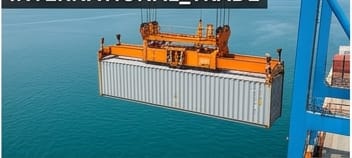
IEAG: Demands IEAG Tema Port Reforms Ghana to Boost Trade
Summary
- The Importers and Exporters Association of Ghana (IEAG) has called for urgent reforms at Tema Port to address persistent congestion and rising operational costs.
- IEAG Executive Secretary Samson Asaki Awingboit highlighted challenges including customs examination delays, uncoordinated inspections, and high regulatory charges.
- A preliminary IEAG assessment found approximately 74% of scanned containers are routed for intrusive "red channel" examinations.
- The association warns that these issues could lead to trade diversion to competing regional ports like Abidjan, especially during the December peak trading period.
- IEAG has urged the Chief of Staff to convene a high-level government delegation to develop an immediate action plan.
Call for Urgent Reforms at Tema Port
once an importer successfully establishes a reliable alternative supply chain through another regional gateway, reclaiming that business for Tema Port becomes exceedingly difficult.
The Importers and Exporters Association of Ghana (IEAG) has issued a pressing appeal for comprehensive reforms at Ghana's Tema Port. The association emphasizes the critical need to enhance the port's efficiency, predictability, and overall competitiveness to attract and retain international trade. This urgent call for IEAG Tema Port reforms Ghana stems from persistent issues including significant congestion and escalating operational expenses, which threaten to divert trade to rival ports within the West African sub-region.
Speaking at a press conference held in Accra, Samson Asaki Awingboit, the Executive Secretary of IEAG, highlighted the multifaceted challenges confronting Tema Port, which serves as Ghana's primary gateway for international commerce. These issues encompass widespread congestion, cumbersome customs examination processes, burdensome regulatory charges, inefficiencies in terminal operations, protracted truck turnaround times, and a notable lack of coordination among various state agencies. Awingboit stressed that this deteriorating situation demands immediate, high-level intervention from the government to prevent it from undermining Ghana's trade and economic standing.
IEAG's extensive engagements with a diverse range of stakeholders, including importers, freight forwarders, customs house agents, and transport operators, indicate that the prevailing Ghana Tema Port congestion cannot be attributed to a single entity. Recognizing the port's dynamic 24-hour operational environment, the association has urged the Chief of Staff to promptly convene a high-level delegation. This delegation should comprise key government ministers—specifically those from Finance, Transport, Trade, and Agribusiness and Industry—alongside relevant port and regulatory agencies, to formulate an immediate action plan addressing these critical issues.
Deepening Operational and Regulatory Hurdles
A significant concern raised by the Importers and Exporters Association of Ghana pertains to the high volume of containers subjected to physical and intrusive examinations, a practice that substantially inflates the cost of conducting business at Tema Port. Preliminary assessments conducted by IEAG reveal that approximately 74 percent of containers undergoing initial scanning are subsequently directed to the "red channel" for more thorough inspection. While acknowledging the Customs Division of the Ghana Revenue Authority's vital role in safeguarding state revenue and preventing illicit trade, IEAG cautions that an excessive reliance on physical examinations can paradoxically undermine the very Ghana port trade facilitation system it is designed to support.
The association argues that a risk-management framework that routinely funnels an exceptionally large proportion of cargo into intrusive examination risks becoming a mechanism that generates congestion rather than one that streamlines trade. Further compounding these Tema Port operational challenges is what IEAG describes as a breakdown in coordinated inspections. Multiple government agencies, including the Food and Drugs Authority, Ghana Standards Authority, the Narcotics Control Commission (NACOC), and National Security, often conduct separate inspections on the same containers. This fragmented approach necessitates additional truck movements, causes significant Tema Port customs examination delays, and ultimately drives up costs for businesses.
Economic Impact and the Threat of Trade Diversion
The cumulative burden of Ghana port regulatory charges and inspection fees imposed by various agencies represents another critical concern for the IEAG. These charges contribute directly to increased operational costs, extended cargo dwell times within the port, and higher expenses related to demurrage and storage. The association warns that if these systemic issues are not addressed with urgency, the situation is likely to deteriorate further, particularly during the anticipated December peak trading period.
The Executive Secretary of IEAG, Samson Asaki Awingboit, revealed that some importers are already exploring alternative logistics routes, with indications that cargo may be routed through the Port of Abidjan in Côte d'Ivoire due to the persistent delays and uncertainties experienced at Ghana's ports. Awingboit issued a stark warning: once an importer successfully establishes a reliable alternative supply chain through another regional gateway, reclaiming that business for Tema Port becomes exceedingly difficult. This potential diversion of trade underscores the critical economic implications of the current operational challenges and the imperative for swift and effective reforms to maintain Ghana's competitive edge in regional trade.
Practical Implications
Lawyers advising clients on Ghana's international trade should be aware of the increased risk of delays, demurrage, and higher operational costs at Tema Port due to congestion and multiple inspections. Compliance officers should monitor potential government reforms and assess supply chain resilience given the threat of trade diversion to other regional ports.
Source
How does this affect you?
Get an AI analysis of this article grounded in your jurisdictions, practice areas, and any policy documents you've uploaded to Wansom.
Finish Reading the Full Story and the Expert Analysis.
Get the latest legal & regulatory intelligence in Ghana
Wansom is AI and can make mistakes.