
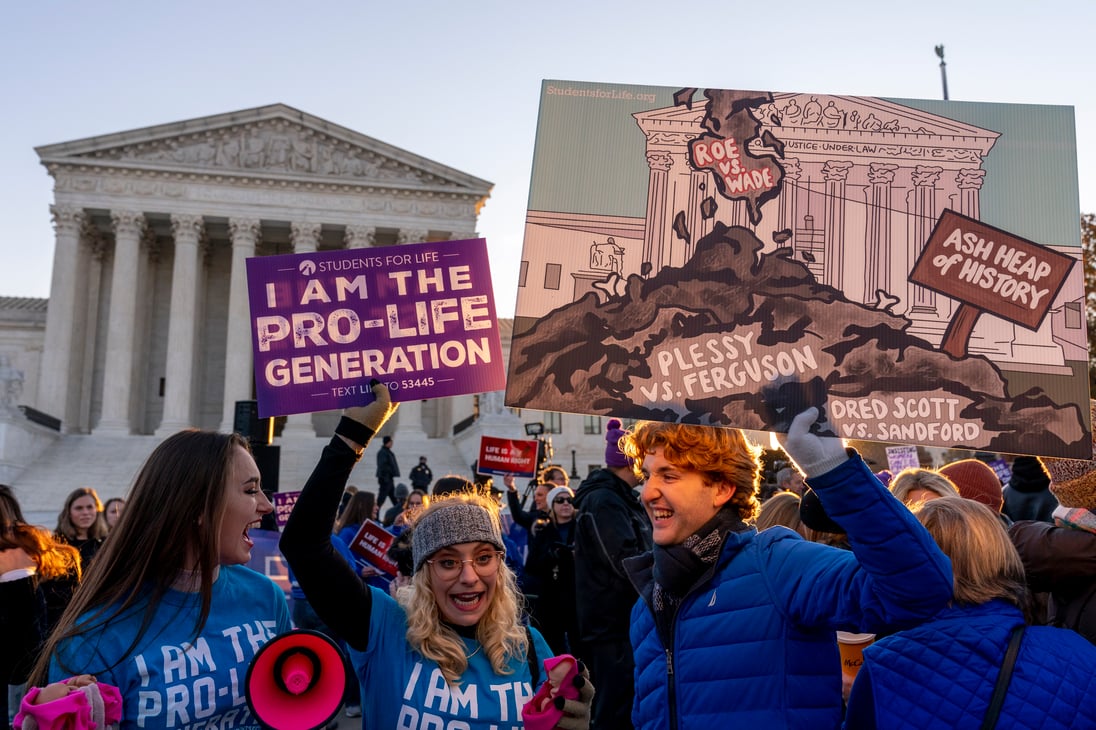
Ninth Circuit: Idaho Abortion Ban Enforcement Allowed for Health Risks
Summary
- A divided Ninth Circuit panel has allowed Idaho to enforce its abortion ban, including in cases where a pregnancy poses serious health risks but is not immediately life-threatening.
- This decision temporarily blocks a lower court's injunction that had protected Dr. Stacy Seyb, a maternal-fetal medicine specialist, from prosecution for performing such abortions.
- The majority cited the Supreme Court's *Dobbs v. Jackson Women's Health Organization* ruling, stating Idaho is likely to win its appeal and that the state's interest in limiting abortions outweighs harm to the doctor.
- The ruling means doctors in Idaho face increased legal exposure for performing abortions to address non-life-threatening health complications.
- A dissenting judge argued the majority misread *Dobbs*, which she believes ended elective abortion rights but did not fully address rights related to a woman's life or health.
Ninth Circuit Allows Idaho Enforcement
This ruling from the Ninth Circuit indicates a tightening interpretation of post-Dobbs abortion exceptions, which could influence similar cases in other jurisdictions and significantly impact healthcare providers in Idaho who must now navigate a more restrictive legal landscape when addressing non-life-threatening but serious health complications during pregnancy.
A federal appeals court has granted Idaho permission to enforce its stringent abortion prohibition, even in situations where a pregnancy poses significant health risks to the patient but is not immediately life-threatening. This decision, issued by a divided Ninth Circuit panel, temporarily halts a lower court's injunction that had previously protected a physician seeking to provide such care. The 2-1 order means the state's ban can be applied while Idaho's appeal against the initial ruling proceeds through the legal system.
The case originated with a lawsuit filed in 2024 by Dr. Stacy Seyb, a specialist in maternal-fetal medicine. Dr. Seyb challenged Idaho officials, arguing for the right to perform abortions when a pregnancy presented a substantial, lasting risk to a woman's health, even if it did not directly imperil her life. U.S. District Judge Lynn Winmill sided with Dr. Seyb in August, following a bench trial. Judge Winmill's 81-page ruling asserted that historical legal precedent consistently shielded abortions performed to preserve health from prosecution and declared that a pregnant woman's health should not be subject to legislative caprice. He initially blocked the enforcement of Idaho’s Defense of Life Act and Fetal Heartbeat Act in scenarios where a doctor, in good faith, determined that continuing a pregnancy could lead to serious harm or compel the woman to end her own life. This injunction was later narrowed to apply specifically to Dr. Seyb as the state prepared its appeal.
Legal Interpretations and Disagreements
Idaho Attorney General Raúl Labrador and Ada County Prosecuting Attorney Jan Bennetts subsequently petitioned the Ninth Circuit to freeze the injunction. During oral arguments in September, Mathew Hoffmann, representing Idaho through Alliance Defending Freedom, contended that the district court's ruling would effectively establish an "abortion-on-demand regime." U.S. Circuit Judge Consuelo Callahan, who later joined the majority opinion, questioned the state's position during arguments, specifically asking why the Supreme Court's *Dobbs v. Jackson Women's Health Organization* decision's silence on medical exceptions should not be interpreted as implicitly allowing a constitutional right to abortion in extreme medical emergencies.
However, the Ninth Circuit majority concluded in its recent order that Idaho is likely to prevail in its appeal, citing the U.S. Supreme Court's 2022 *Dobbs* ruling, which overturned *Roe v. Wade*. The majority expressed doubt that Dr. Seyb could reconcile the district court's historical perspective on abortion with the Supreme Court's stance in *Dobbs*. They further stated that Idaho's compelling interest in restricting abortions to those permitted by state law significantly outweighs any harm Dr. Seyb might experience by adhering to the law during the appeal process. Addressing concerns about suicide risk, the majority posited that alternative methods exist for prevention, and Idaho's "profound interest" in preserving fetal life reasonably supports utilizing those means over terminating a pregnancy.
Dissent and Future Implications
Judge Kim Wardlaw concurred with the majority's decision but penned a separate opinion, emphasizing that as an intermediate appellate court, they are bound by Supreme Court precedents. While acknowledging that the court might eventually need to assess whether a state abortion ban becomes so restrictive it fails even the limited constitutional review remaining after *Dobbs*, she clarified that this specific issue was not before the court in the present case. Conversely, Judge Marsha Berzon authored a dissenting opinion, arguing that the majority had misconstrued the *Dobbs* decision. She contended that *Dobbs* eliminated the right to elective abortion but did not address the distinct right, established under *Roe* and *Planned Parenthood v. Casey*, to abortions necessary for protecting a woman's life or health.
Judge Berzon highlighted that the extent to which these health protections survive *Dobbs* remains an unresolved question until the Supreme Court provides further clarification. She also underscored the critical consequences for patients, noting that with the stay now in effect, the *Idaho abortion ban health-risk enforcement* will proceed, increasing legal exposure for doctors. This ruling from the Ninth Circuit indicates a tightening interpretation of post-*Dobbs* abortion exceptions, which could influence similar cases in other jurisdictions and significantly impact healthcare providers in Idaho who must now navigate a more restrictive legal landscape when addressing non-life-threatening but serious health complications during pregnancy.
Practical Implications
Lawyers advising healthcare providers in Idaho must be aware that the state's abortion ban is now enforceable for non-life-threatening health-risk cases, increasing legal exposure for doctors performing such procedures. This ruling from the Ninth Circuit indicates a tightening interpretation of post-Dobbs abortion exceptions, which could influence similar cases in other jurisdictions.
Source
How does this affect you?
Get an AI analysis of this article grounded in your jurisdictions, practice areas, and any policy documents you've uploaded to Wansom.
Finish Reading the Full Story and the Expert Analysis.
Wansom is AI and can make mistakes.