
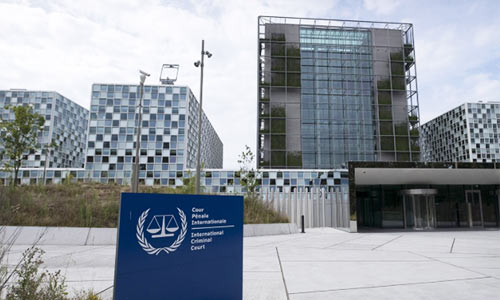
ICC: Advances Confidential Nigeria Kidnapping Investigation Request
Summary
- The International Criminal Court has assigned a confidential request regarding alleged systemic kidnappings in Nigeria.
- The request seeks an investigation into these kidnappings as potential crimes against humanity.
- The matter has been referred to the ICC's Pre-Trial Chamber II for evaluation.
- Judge Iulia Antoanella Motoc, acting as President of the ICC’s Pre-Trial Division, issued the decision on August 26, 2026.
- The request is partially titled "Formal Communication Requesting [...]."
ICC Initiates Review of Nigeria Kidnapping Allegations
The International Criminal Court (ICC) has formally assigned a confidential request concerning alleged systemic kidnappings in Nigeria.
The International Criminal Court (ICC) has formally assigned a confidential request concerning alleged systemic kidnappings in Nigeria. This significant development indicates a preliminary step towards potentially investigating these acts as crimes against humanity. The request has been directed to the ICC's Pre-Trial Chamber II, which is tasked with evaluating the merits of such submissions before a full investigation can be authorized.
This action by the International Criminal Court signals a potential escalation in international scrutiny over the security situation in Nigeria, specifically regarding widespread abductions. The confidential nature of the initial request means that specific details beyond its general purpose are not publicly disclosed at this stage, but the assignment to a judicial chamber underscores its seriousness. The focus on systemic kidnappings as potential crimes against humanity highlights the grave nature of the allegations being brought before the court.
Understanding the Legal Framework
The classification of alleged systemic kidnappings as 'crimes against humanity' places them within the gravest categories of offenses under international law, as defined by the Rome Statute, the founding treaty of the International Criminal Court. Such crimes typically involve widespread or systematic attacks directed against any civilian population, with knowledge of the attack. The ICC's Pre-Trial Chamber II plays a crucial role in this process, as it is responsible for determining whether there is a reasonable basis to proceed with an investigation, including assessing jurisdiction, admissibility, and the interests of justice.
An investigation into Crimes Against Humanity in Nigeria, if authorized, would delve into whether the alleged kidnappings meet the high threshold required for such charges, focusing on their scale, organization, and impact on the civilian population. This stage is critical for the ICC, as it balances the need to address severe international crimes with the principles of complementarity, which prioritize national jurisdictions unless they are unwilling or unable to genuinely carry out investigations or prosecutions.
Key Procedural Developments
The decision to assign this confidential request was made on August 26, 2026. It was issued by Judge Iulia Antoanella Motoc, who was acting in her capacity as President of the ICC’s Pre-Trial Division at the time. The specific title of the request, as partially disclosed, is "Formal Communication Requesting [...]," indicating a structured and official submission to the court.
The assignment to ICC Pre-Trial Chamber II Nigeria signifies that the judicial process has formally begun for this particular matter. While the contents of the ICC confidential request Nigeria remain undisclosed, the involvement of a high-ranking judge like Judge Motoc in the initial assignment underscores the procedural importance and the careful handling of such sensitive international legal matters.
Potential Ramifications of an ICC Inquiry
The progression of this ICC Nigeria kidnapping investigation request could have significant implications for accountability regarding human rights abuses in the region. Should the Pre-Trial Chamber II authorize a full investigation, it would mark a critical step towards potentially holding individuals responsible for alleged systemic kidnappings under international law. This process could lead to indictments and trials for those deemed most responsible for these grave offenses.
Monitoring the developments of this request is crucial for understanding the evolving landscape of international justice and its application to complex security challenges. The potential for an ICC investigation into alleged systemic kidnappings as crimes against humanity in Nigeria highlights the international community's commitment to addressing severe violations of human rights, even in situations where national responses may be perceived as insufficient.
Practical Implications
Lawyers advising clients operating in Nigeria or involved in human rights litigation should closely monitor the progression of this confidential request, as a formal ICC investigation into systemic kidnappings could establish precedents or create new compliance risks related to crimes against humanity.
Source
How does this affect you?
Get an AI analysis of this article grounded in your jurisdictions, practice areas, and any policy documents you've uploaded to Wansom.
Finish Reading the Full Expert Analysis.
Wansom is AI and can make mistakes.