
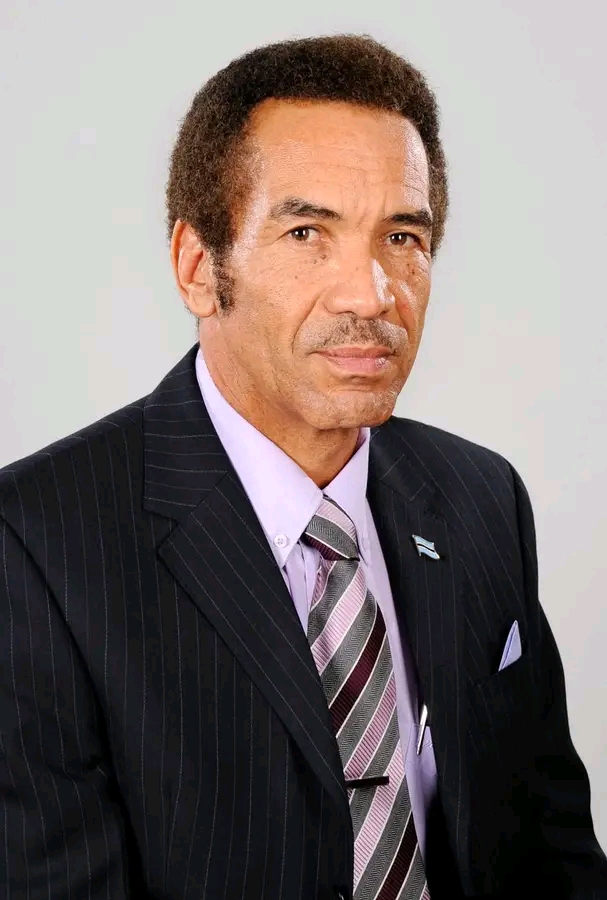
Ian Khama: Demands Zambia Election Transparency Amid Crisis
Summary
- Former Botswana President Ian Khama has called for transparency and accountability in Zambia's post-August 2026 election crisis.
- Khama raised concerns regarding alleged electoral irregularities, arrests of opposition figures, and reported abuses by security agencies.
- He demanded the release of opposition figures facing what he described as politically motivated charges.
- Khama also called for an independent investigation into the death of former Transport Minister Mutotwe Kafwaya during a security operation.
- He stressed that Zambia's national security laws should not be used to suppress political opposition, advocating for electoral disputes to be resolved through evidence, independent investigations, and constitutional processes.
Regional Leader Calls for Transparency in Zambia
His insistence on an independent investigation into the death of former Transport Minister Mutotwe Kafwaya, who died during a security operation, underscores the critical need for due process and accountability for state actions.
Former Botswana President Lt Gen Seretse Khama Ian Khama has publicly voiced significant apprehension regarding the political climate in Zambia following its August 2026 general election. His intervention underscores a growing regional concern over the integrity of democratic processes and human rights in the southern African nation. Khama specifically called for greater transparency and accountability in addressing what he termed Zambia's post-August 2026 election crisis, highlighting several critical issues that have emerged since the polls.
Among the primary concerns raised by the former head of state were widespread allegations of electoral irregularities, which, if substantiated, could undermine the legitimacy of the election outcome. Beyond the voting process itself, Khama also drew attention to the subsequent arrests of various opposition figures, suggesting a pattern of suppression against dissenting voices. Furthermore, he pointed to reported abuses carried out by security agencies, indicating a potential breakdown in the rule of law and respect for civil liberties.
In response to these developments, Khama issued a clear demand for the immediate release of those opposition figures currently detained, asserting that they are facing charges he considers to be politically motivated. He also pressed for a thorough and independent investigation into the circumstances surrounding the death of former Transport Minister Mutotwe Kafwaya, who reportedly died during a security operation. This call for an impartial inquiry into Kafwaya's death emphasizes the need for accountability when state power is exercised, particularly in sensitive security contexts.
Legal and Political Context of Khama's Demands
The former president's statements delve into the critical intersection of national security laws and political dissent, a common flashpoint in many African democracies. Khama explicitly cautioned against the misuse of Zambia’s national-security laws as a tool to stifle political opposition, arguing that such application undermines the fundamental principles of a democratic society. His remarks highlight the delicate balance between maintaining national order and safeguarding the rights of citizens to express political views, even those critical of the government.
Khama's emphasis on resolving electoral disputes through evidence, independent investigations, and constitutional processes directly challenges any attempts to bypass established legal frameworks. This approach advocates for a rule-of-law-based resolution, ensuring that grievances are addressed through impartial mechanisms rather than through force or arbitrary detention. The call for an independent investigation into the death of Mutotwe Kafwaya, who died during a security operation, further reinforces this demand for legal accountability, suggesting that state actions, especially those involving loss of life, must be subject to rigorous, unbiased scrutiny.
The allegations of politically motivated charges against opposition figures, coupled with the reported abuses by security agencies, paint a picture of a deteriorating human rights situation. Such actions can have a chilling effect on political participation and freedom of expression, creating an environment where dissent is suppressed rather than debated. Khama's intervention serves as a reminder that the legitimacy of a government is not solely derived from election results but also from its adherence to democratic norms, respect for human rights, and the impartial application of justice.
Why Regional Scrutiny Matters
Ian Khama's vocal stance on Zambia's post-August 2026 election crisis carries significant weight, not only due to his stature as a former head of state but also because it signals a broader regional concern for democratic governance and stability. His call for Ian Khama Zambia election transparency and accountability resonates across the continent, where the integrity of electoral processes and the protection of political freedoms are frequently under scrutiny. When a prominent regional figure speaks out against alleged electoral irregularities, arrests of opposition figures, and security agency abuses, it elevates the issue beyond domestic politics, drawing international attention to the situation.
The implications of Khama's statements extend to the broader human rights landscape in Zambia. His insistence on an independent investigation into the death of former Transport Minister Mutotwe Kafwaya, who died during a security operation, underscores the critical need for due process and accountability for state actions. Furthermore, his warning against using national security laws to suppress political opposition highlights a common tactic employed by authoritarian regimes, making his intervention a crucial defense of democratic principles.
Ultimately, Khama's appeal for electoral disputes to be resolved through evidence, independent investigations, and constitutional processes is a foundational plea for the rule of law. It suggests that without these safeguards, the democratic fabric of a nation can unravel, leading to instability and potential human rights abuses. His intervention serves as a powerful reminder to both Zambian authorities and the international community about the importance of upholding democratic values and ensuring justice in times of political tension.
Practical Implications
Lawyers advising clients in Zambia should monitor the ongoing political crisis for potential human rights abuses, politically motivated charges, and the misuse of national security laws. This situation highlights the importance of scrutinizing due process and advocating for independent investigations into alleged irregularities and deaths.
Source
How does this affect you?
Get an AI analysis of this article grounded in your jurisdictions, practice areas, and any policy documents you've uploaded to Wansom.
Finish Reading the Full Story and the Expert Analysis.
Wansom is AI and can make mistakes.