
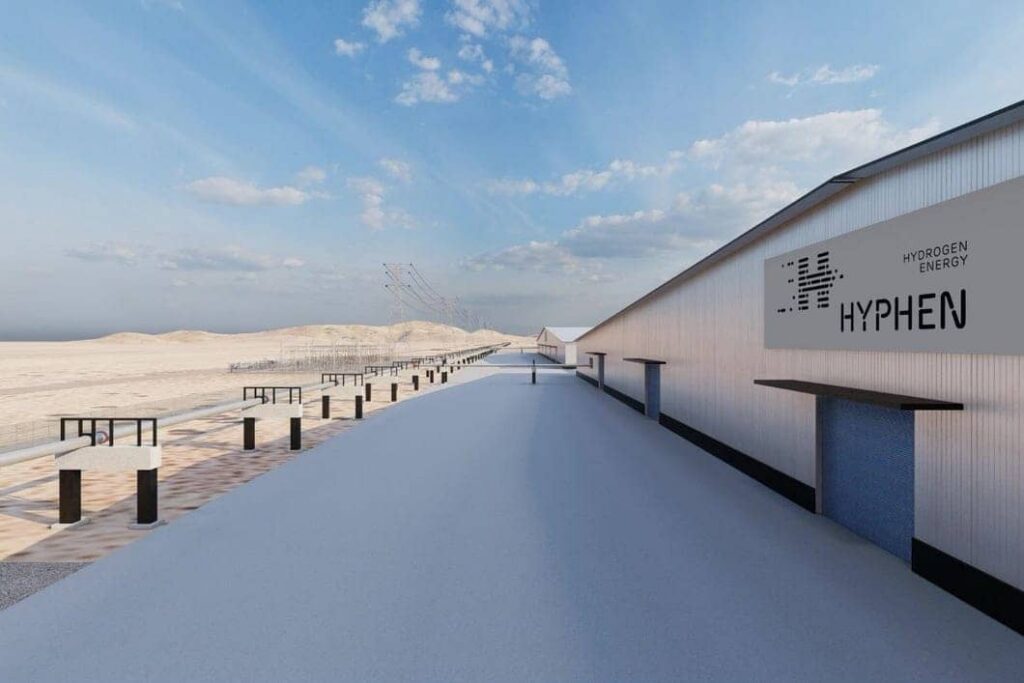
Hyphen Project Delay Raises Governance Questions for Namibia
The final investment decision for the Hyphen Hydrogen Energy project in Namibia has been postponed until the end of 2027, leading to increased scrutiny over the Namibian government's 24% stake and previous commitments to the ambitious green hydrogen initiative. This delay, reported by The Namibian, follows earlier financial support, including a N$100 million reimbursable grant from the African Development Bank (AfDB) and a prior US$10 million grant, aimed at facilitating the investment decision.
This postponement carries substantial legal and economic significance for Namibia's burgeoning green hydrogen sector and its broader economic development agenda. The Hyphen project is a cornerstone of Namibia's strategy to become a global leader in green hydrogen production, promising significant foreign direct investment, job creation, and energy security. The delay raises critical questions about investor confidence, the viability of large-scale renewable energy projects in the region, and the government's ability to meet its ambitious timelines. It also impacts the expected revenue streams and the overall economic multiplier effect anticipated from such a mega-project, potentially affecting national budgets and development plans.
The legal context surrounding this project involves a complex web of public-private partnership (PPP) agreements, investment contracts, and potentially international investment treaties. The Namibian government's 24% stake implies a detailed shareholder agreement and a robust regulatory framework governing its role as both an equity partner and a sovereign entity. The grants from the African Development Bank introduce international financial and contractual obligations, often tied to specific milestones and performance indicators. Environmental regulations and permitting processes are also critical components of such a large-scale energy project. The key parties involved are the Namibian government, Hyphen Hydrogen Energy, and the African Development Bank, with the broader public and potential future investors also being significant stakeholders.
Attorneys advising on large-scale infrastructure projects, energy sector investments, or public-private partnerships in Namibia should closely track developments related to the Hyphen project. It is crucial to analyze the implications of this delay on existing contractual agreements, potential renegotiations, and the broader regulatory and investment climate for green hydrogen projects. Practitioners should be prepared to advise clients on investment risks, due diligence requirements, and the evolving legal framework governing Namibia's green economy, particularly concerning government guarantees, project financing, and environmental compliance. The specific reasons for the delay and the detailed terms of any revised project timelines or government commitments are not yet reported.
How does this affect you?
Get an AI analysis of this article grounded in your jurisdictions, practice areas, and any policy documents you've uploaded to Wansom.
Finish Reading the Full Story and the Expert Analysis.
Get the latest legal & regulatory intelligence in Namibia
Wansom is AI and can make mistakes.