
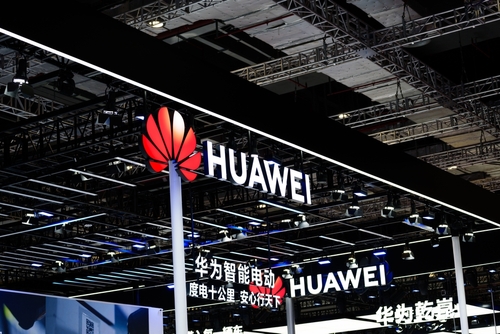
Huawei: US Trade Secret Conviction by Federal Jury
Summary
- A federal jury convicted Huawei of conspiring to steal trade secrets and evade U.S. sanctions on Iran.
- The Chinese telecommunications giant was found guilty on 10 out of 12 counts, including wire fraud, bank fraud, and money laundering.
- The jury acquitted Huawei of the lead racketeering conspiracy (RICO) charge and one count of conspiring to obstruct justice.
- U.S. Attorney Joseph Nocella stated Huawei's actions endangered U.S. national security and violated U.S. commerce.
- The verdict followed an 11-week trial and four days of jury deliberations in the U.S. Eastern District of New York.
What Happened
This verdict carries substantial weight, as articulated by U.S. Attorney Joseph Nocella, who stated that few offenses are as grave as Huawei's prolonged pattern of jeopardizing American national security interests, undermining the integrity of U.S. commercial practices, and obstructing the application of federal statutes.
A federal jury has found Chinese telecommunications giant Huawei guilty of multiple criminal charges, including a conspiracy to steal trade secrets and to evade U.S. sanctions imposed on Iran. The verdict, delivered on a Tuesday following an extensive 11-week trial, concluded after four days of jury deliberations. This significant outcome stems from a prosecution led by the U.S. attorneys office for the Eastern District of New York.
The tech behemoth faced a total of twelve counts and was ultimately convicted on ten of them. These convictions encompassed charges of conspiring to misappropriate proprietary business information, committing wire fraud, engaging in bank fraud, violating U.S. sanctions, and money laundering, alongside several other fraud-related offenses. Prosecutors had contended throughout the trial that Huawei engaged in a consistent pattern of unlawful acts to expand its global influence.
However, the jury did not convict Huawei on all charges. Notably, the most severe accusation, a racketeering conspiracy charge—often referred to as RICO—was rejected by the jurors. Additionally, the company was acquitted of one count alleging a conspiracy to obstruct justice. Defense attorney Brian Heberlig characterized the rejection of the RICO charge as a significant victory for Huawei, acknowledging the complex emotions surrounding the overall verdict.
Legal Context
The convictions underscore the severe legal ramifications for corporations that engage in intellectual property theft and systematic circumvention of international sanctions. The charges of conspiring to steal trade secrets highlight the U.S. government's commitment to protecting American innovation and proprietary technology from foreign adversaries. Such actions are viewed as direct threats to the economic competitiveness and national security of the United States.
Furthermore, the verdict on sanctions evasion, specifically concerning Iran, emphasizes the strict enforcement of U.S. foreign policy objectives through economic measures. Companies found to be facilitating transactions with sanctioned entities face substantial penalties, as these actions can undermine diplomatic efforts and contribute to the proliferation of illicit activities. The inclusion of wire and bank fraud convictions further illustrates the breadth of financial misconduct alleged and proven against Huawei.
Why It Matters
This verdict carries substantial weight, as articulated by U.S. Attorney Joseph Nocella, who stated that few offenses are as grave as Huawei's prolonged pattern of jeopardizing American national security interests, undermining the integrity of U.S. commercial practices, and obstructing the application of federal statutes. Nocella further emphasized that the jury's decision represents a crucial step toward holding Huawei accountable for its criminal conduct, which included years of collaboration with sanctioned entities in Iran, repeated deceptions of financial institutions, and blatant theft from U.S. technology firms.
Conversely, the defense highlighted the acquittal on the RICO charge. Defense attorney Brian Heberlig noted the "profoundly mixed emotions" following the verdict but underscored that the racketeering charge was the primary accusation brought by the U.S. government, alleging the company was "corrupt from top to bottom." The rejection of this specific charge, therefore, holds particular significance for Huawei, even amidst the numerous convictions. The outcome of this trial sends a clear message regarding the potential legal consequences for international corporations operating within the U.S. jurisdiction.
Practical Implications
This conviction serves as a stark reminder for compliance officers and legal counsel regarding the severe penalties for violating U.S. trade secret laws and sanctions, particularly concerning entities operating in or with sanctioned jurisdictions like Iran. Companies, especially those in the tech sector with international operations, should review their internal compliance programs to mitigate risks of intellectual property theft, wire fraud, bank fraud, and sanctions evasion.
Source
Source: Original reporting via Law.com
How does this affect you?
Get an AI analysis of this article grounded in your jurisdictions, practice areas, and any policy documents you've uploaded to Wansom.
Finish Reading the Full Story and the Expert Analysis.
Get the latest legal & regulatory intelligence in United States
Wansom is AI and can make mistakes.