
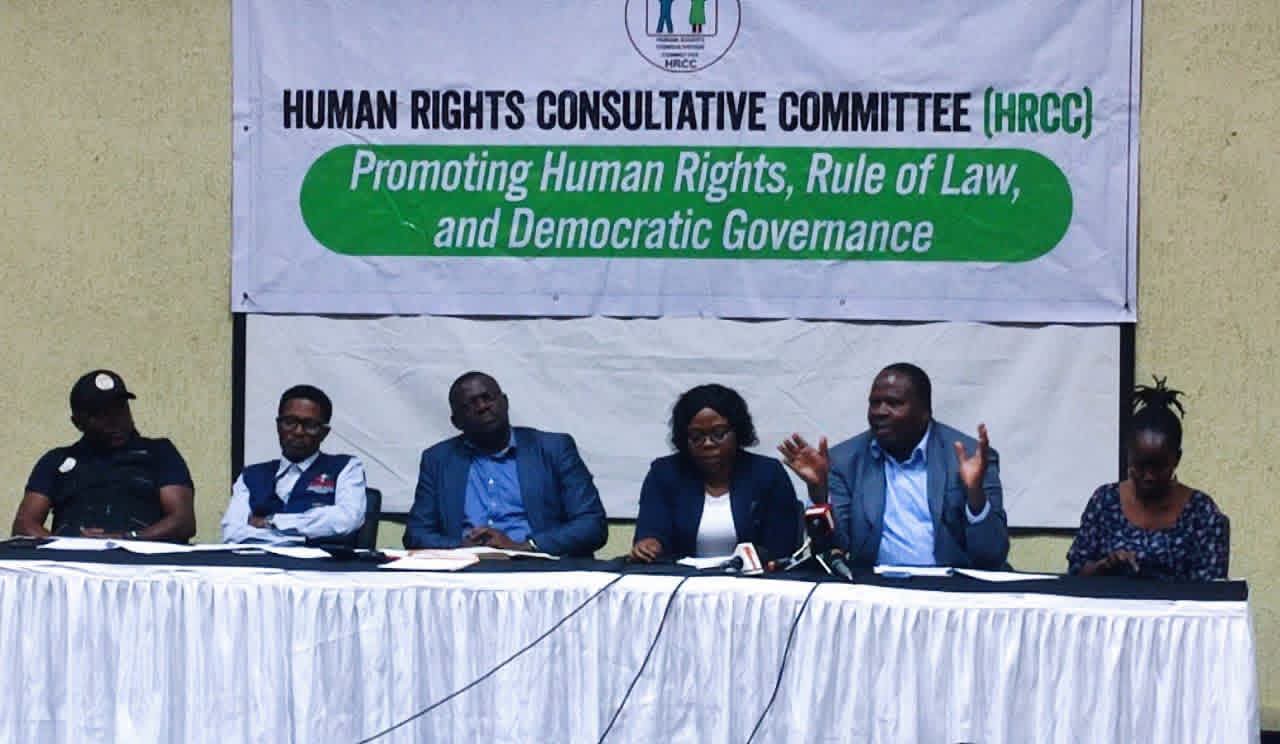
HRCC Accuses Lilongwe City Council of Asset Forfeiture Abuse
The Human Rights Consultative Committee (HRCC) launched a national campaign in Malawi, titled “Fair Forfeiture, Equal Justice,” to advocate for a comprehensive overhaul of the country’s asset recovery and forfeiture laws, citing alleged abuse of these powers by entities such as the Lilongwe City Council.
This campaign holds profound legal significance, as it directly challenges the fairness and application of a powerful legal tool designed to combat illicit enrichment and crime. Asset forfeiture laws, while essential for disrupting criminal enterprises, can infringe upon fundamental rights if not exercised with strict adherence to due process and proportionality. The HRCC's allegations of abuse, particularly against vulnerable populations like vendors, raise serious concerns about property rights, fair administrative justice, and the potential for disproportionate impact. This initiative could catalyse significant legislative reform, influencing how assets are seized and recovered across Malawi and potentially leading to new precedents in judicial review of forfeiture orders.
The legal framework underpinning this issue primarily includes the Financial Crimes Act (2017), which contains provisions for asset forfeiture and recovery, and potentially the Corrupt Practices Act. Crucially, the campaign invokes constitutional principles, particularly Section 28 of the Constitution of Malawi, which protects property rights, and Section 43, guaranteeing fair administrative justice. The courts, from Magistrate Courts to the High Court and Supreme Court of Appeal, play a vital role in adjudicating forfeiture applications and appeals, ensuring compliance with statutory and constitutional requirements. Key parties include the Human Rights Consultative Committee (HRCC), the Lilongwe City Council (accused of abuse), affected vendors, and potentially the Attorney General's office or Parliament if legislative amendments are pursued.
Practitioners must closely monitor the progress of the HRCC's campaign, as it could lead to substantial changes in asset forfeiture procedures and jurisprudence. Lawyers representing individuals or businesses facing forfeiture actions should be acutely aware of due process requirements, the specific provisions of relevant forfeiture laws, and constitutional safeguards. They should be prepared to challenge forfeiture orders where there is evidence of abuse of power, lack of due process, or disproportionate impact. Advising clients on compliance and risk mitigation strategies related to potential asset seizures is also paramount. The specific outcome of the HRCC's campaign or any legal action against the Lilongwe City Council regarding these allegations is not reported.
How does this affect you?
Get an AI analysis of this article grounded in your jurisdictions, practice areas, and any policy documents you've uploaded to Wansom.
Wansom is AI and can make mistakes.