
USPS: Federal Ballot Mail Portal Whistleblower Alleges Rushed Development
Summary
- A whistleblower report alleged the USPS bypassed standard testing for its new Federal Ballot Mail Portal due to pressure from the Trump administration.
- Connecticut Senator Richard Blumenthal warned the rushed system, designed to screen mail ballots, could unlawfully disqualify large numbers of votes.
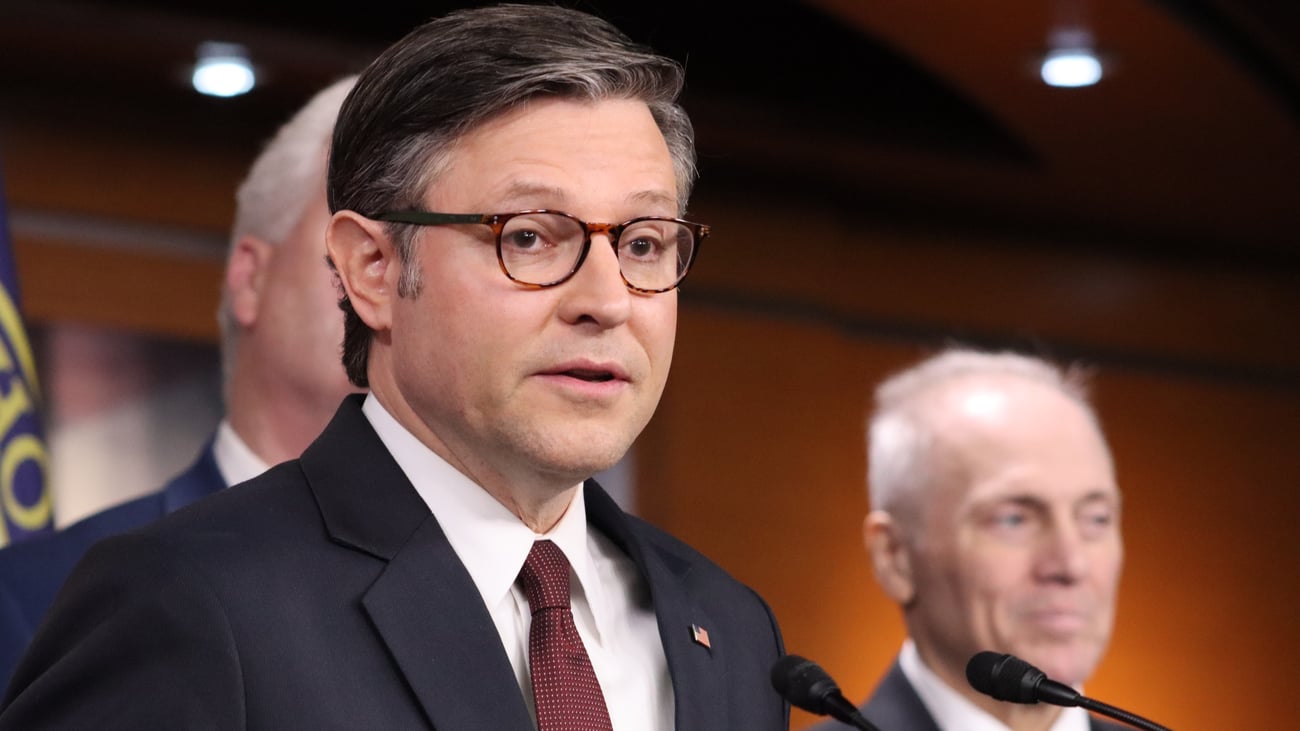
- House Speaker Mike Johnson, without having read the report, criticized mail-in voting and advocated for voter ID legislation on February 5, 2025.
- The whistleblower report also suggested the USPS continued work on the portal even after a federal judge enjoined the related Trump executive order, potentially violating a court mandate.
- Data from the Heritage Foundation and Brookings Institution indicates no widespread voter fraud stemming from mail-in voting.
Whistleblower Alleges Rushed Ballot Portal Development
The whistleblower report further alleged that the Postal Service continued development of its ballot screening tool even after a federal judge had issued an injunction against the implementation of President Trump’s executive order, raising concerns about a potential violation of a court mandate.
A recent whistleblower report has brought to light serious concerns regarding the U.S. Postal Service's development of a new ballot screening tool, alleging that standard testing, troubleshooting, and debugging processes were bypassed under pressure from the Trump administration. This new online system, dubbed the "Federal Ballot Mail Portal," was intended to allow the Postal Service to determine the eligibility of ballots submitted by mail from state election officials before they are sent to voters.
Connecticut Senator Richard Blumenthal, a Democrat, publicly acknowledged receipt of this disclosure, which he characterized in a letter to Postmaster General David Steiner as outlining the Postal Service's "perilously rushed and potentially unlawful implementation" of a March executive order from then-President Donald Trump aimed at restricting mail-in voting. The senator's letter, published on a Tuesday morning, described the process as "unprecedented" and highlighted the significant risks associated with the expedited development.
Congressional Reactions and Election Integrity Debate
On February 5, 2025, House Speaker Mike Johnson addressed reporters, sidestepping direct questions about the alarming whistleblower report. Johnson admitted he had not read the disclosure, which warned that the Postal Service's actions could potentially "derail" upcoming midterm elections. However, he seized the opportunity to voice criticism of mail-in voting practices and reiterate his support for the "Save America Act," the Trump administration's key voter identification legislation.
Johnson argued that allowing vote counting to extend for a month after an election "opens the door for all sorts of hijinks," citing states like California where he claimed "new tranches of ballots" appear days after in-person votes, altering election outcomes. He contended that such scenarios create an "appearance of impropriety" and facilitate fraud, asserting that the Postal Service's involvement in ensuring valid votes should not be controversial. Conversely, Senate Minority Leader Chuck Schumer, in a Tuesday statement, defended the U.S. mail-in voting system as "safe and secure," noting that President Trump himself has voted by mail on multiple occasions. Schumer accused the former president of attempting to transform the Postal Service into a "voter suppression machine" to "rig the midterms" due to his perceived failures with the American public.
Scrutiny Over Portal's Development and Legal Compliance
The whistleblower's account detailed that the Trump administration imposed an "impossible timeframe" for the development of the Federal Ballot Mail Portal. This tight deadline allegedly compelled the Postal Service to forgo crucial standard testing, troubleshooting, and debugging procedures, raising serious questions about the system's reliability and accuracy. Senator Blumenthal specifically warned that the rushed system could lead to the disqualification of large batches of mail ballots if even a single ballot within a group could not be verified.
The whistleblower report further alleged that the Postal Service continued development of its ballot screening tool even after a federal judge had issued an injunction against the implementation of President Trump’s executive order, raising concerns about a potential violation of a court mandate. This continuation of work despite a judicial order underscores the "risky and haphazard" approach described in the disclosure, potentially exposing the agency to legal repercussions.
Factual Basis of Voter Fraud Claims
Despite Speaker Johnson's assertions regarding the potential for voter fraud in mail-in elections, available data does not support claims of widespread issues. The Heritage Foundation, for instance, has documented fewer than 400 cases of fraudulent mail-in ballots since the year 2000. Similarly, the Brookings Institution reported last year that it found only approximately four cases of mail-in voting fraud out of 10 million ballots submitted between 2016 and 2022.
These statistics stand in contrast to the political rhetoric surrounding election integrity, particularly the push for voter identification legislation like the Save America Act. While Johnson argued that the possibility of voter fraud should motivate lawmakers to ensure "free and fair elections," the evidence suggests that mail-in voting systems are largely secure, as affirmed by Senate Minority Leader Schumer.
Source
How does this affect you?
Get an AI analysis of this article grounded in your jurisdictions, practice areas, and any policy documents you've uploaded to Wansom.
Finish Reading the Full Story and the Expert Analysis.
Wansom is AI and can make mistakes.