
House Republicans: Delay Hegseth Impeachment Vote Until November
Summary
- House Republicans abruptly adjourned early, delaying a scheduled vote on impeachment articles against Secretary of War Pete Hegseth until November 9.
- Kentucky Representative Thomas Massie initiated the impeachment articles, accusing Hegseth of violating the 1973 War Powers Resolution in Iran and other serious offenses.
- The early recess allows the GOP to avoid a potentially embarrassing vote on the impeachment measure just weeks before critical midterm elections.
- Democratic leaders criticized the move, arguing Republicans are neglecting legislative duties and failing to address taxpayer concerns.
- The delay occurs amidst polling showing Democrats with a significant lead for control of the House in the upcoming midterm elections.
House Adjourns Early, Delays Key Vote
The unexpected adjournment allows House Republicans to sidestep a potentially embarrassing vote on the impeachment articles just weeks before critical midterm elections, which are widely viewed as a referendum on President Donald Trump's administration.
The United States House of Representatives unexpectedly concluded its session early, sending lawmakers home until November and effectively postponing a scheduled vote on impeachment articles against Secretary of War Pete Hegseth. The chamber was initially slated to consider the measure on Thursday, but Republican leadership announced on Wednesday that members would depart Washington sooner than anticipated. This latest adjustment means legislators will not reconvene until November 9, following the upcoming midterm elections.
This early recess follows a pattern of reduced legislative activity, as the House GOP had previously canceled the final two weeks of September to allow members more time for campaigning. The decision to begin the recess even earlier ensures that a vote on the controversial impeachment resolution, spearheaded by Kentucky Representative Thomas Massie, will be avoided for now. The move underscores the heightened political climate as the midterm elections draw near, with parties strategizing to maximize their electoral advantages.
Allegations Against Secretary of War Hegseth
The impeachment articles, introduced by Republican Representative Thomas Massie, level severe accusations against Secretary of War Pete Hegseth. Massie, who has been an increasingly vocal critic of the Trump administration, asserts that Hegseth violated the 1973 War Powers Resolution by continuing military operations in Iran without explicit congressional authorization. This particular charge highlights a long-standing constitutional debate regarding executive authority in military engagements.
Beyond the alleged breach of the War Powers Resolution concerning the Iran conflict, Massie's articles of impeachment detail additional grave accusations. These include undertaking extrajudicial killings of suspected drug traffickers in international waters and the kidnapping of former Venezuelan President Nicolas Maduro in January. Furthermore, the Kentucky Republican cited alleged efforts by the Pentagon to "retaliate" against Arizona Senator Mark Kelly, who had participated in a video alongside other military veterans in Congress, urging service members to refuse unlawful orders from the Trump administration. Speaking on the House floor, Massie contended that Hegseth's actions were "subversive of constitutional government."
Political Maneuvering Ahead of Midterms
The unexpected adjournment allows House Republicans to sidestep a potentially embarrassing vote on the impeachment articles just weeks before critical midterm elections, which are widely viewed as a referendum on President Donald Trump's administration. While it remained uncertain whether the impeachment articles against Secretary of War Hegseth would garner sufficient votes to pass, even with potential Democratic support for Massie, forcing such a vote would have created an uncomfortable public spectacle for the GOP.
Representative Massie himself had anticipated that House leadership might cancel votes to prevent his resolution from coming to a ballot. He drew parallels to previous attempts to block his resolution demanding the release of the Epstein files, which he claimed led to a two-week cancellation of Congress. Massie noted he had not given prior warning this time, speculating that leadership might have canceled even more days had they known. Meanwhile, Democrats swiftly condemned the early recess, with Arizona Representative Yassamin Ansari calling it "outrageous, beyond the pale" that Republicans were cutting Congress short again after an extended August break. House Minority Leader Hakeem Jeffries echoed this sentiment, stating that Republicans had "decided to cancel votes and run out of town without providing any relief to hardworking American taxpayers," and called for some Republicans to oppose President Trump.
The Looming Electoral Referendum
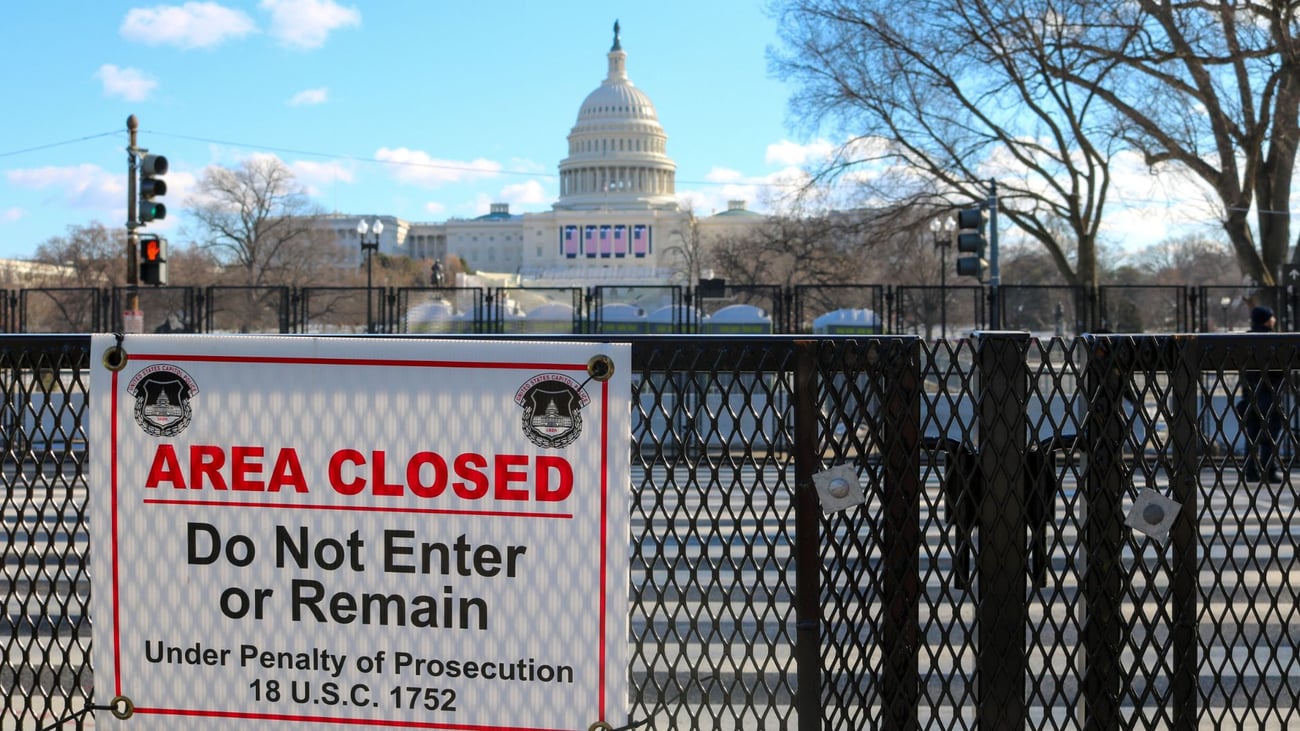
The decision to cut short the legislative calendar is deeply intertwined with the high stakes of the upcoming midterm elections, which are poised to reflect public sentiment on President Donald Trump and his administration. Donald Trump himself took his second oath of office on January 20, 2025, from within a fortified Capitol building, a detail that underscores the intense political environment surrounding his presidency. The House will remain out of session throughout October and until the midterms conclude, with lawmakers returning on November 9, potentially to a lame-duck Republican Congress.
In contrast to the House, the Senate is scheduled to remain in Washington through October 1. Recent polling data suggests a challenging electoral landscape for Republicans, with some surveys indicating Democrats hold as much as an 11-point lead over the GOP for control of the House following the midterms. A New York Times poll published on Tuesday further contributed to the picture of a competitive and uncertain electoral outcome.
Practical Implications
This article reports on a political procedural delay within the US House and does not present a direct, immediate actionable legal implication for lawyers or compliance officers. While it touches upon the War Powers Resolution, the news itself is about legislative maneuvering rather than a legal ruling or new compliance requirement.
Source
How does this affect you?
Get an AI analysis of this article grounded in your jurisdictions, practice areas, and any policy documents you've uploaded to Wansom.
Finish Reading the Full Story and the Expert Analysis.
Get the latest legal & regulatory intelligence in United States
Wansom is AI and can make mistakes.