
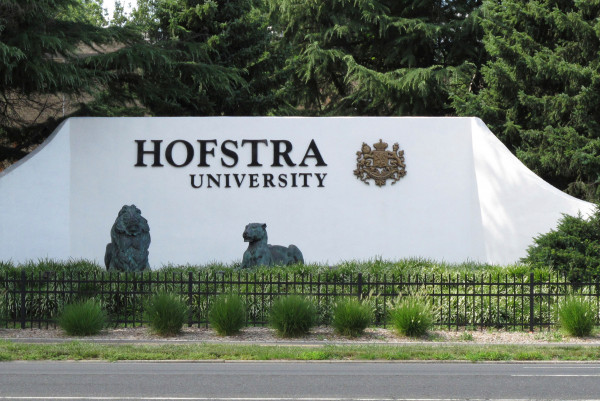
Hofstra University: Seeks Dismissal of Bar Exam Cardiac Arrest Lawsuit
Summary
- Mary Jane Jung suffered cardiac arrest during the 2025 bar exam at Hofstra University and is suing the university and New York State.
- Jung's lawsuit alleges that testing officials failed to provide her with assistance during the medical emergency.
- Hofstra University has filed a motion to dismiss, arguing it had no legal duty to provide first aid to Jung as she was not a student.
- The university contends its landowner obligations do not extend to offering medical assistance in such circumstances.
- The court's decision will significantly impact the liability of testing centers and educational institutions for medical emergencies during high-stakes events.
The Incident and Subsequent Legal Action
The court's decision in this case will be pivotal in defining the extent of responsibility that educational institutions and testing centers bear for the welfare of individuals experiencing medical emergencies on their premises during high-stakes events.
Mary Jane Jung, a graduate of Fordham Law School, experienced a severe medical emergency while taking the bar examination at Hofstra University's Long Island campus in 2025. During the high-stakes test, Jung suffered a cardiac arrest, leading to her losing consciousness and her skin turning blue. Her complaint, filed in a New York trial court in Nassau County, alleges that other testing officials present at the time failed to provide her with assistance during this critical event.
Following the incident, Jung initiated a lawsuit against both Hofstra University and the State of New York, the entity responsible for administering the bar examination. This legal challenge seeks to establish accountability for the alleged lack of intervention during her medical crisis. The case, known as the Mary Jane Jung lawsuit New York, centers on the responsibility of institutions hosting such significant events to ensure the well-being of participants.
Hofstra University's Defense
In an October 16, 2026, court filing, Hofstra University formally requested a New York judge to dismiss the lawsuit. The university's primary argument is that it bore no legal responsibility to provide first aid to Jung. While expressing sympathy for the medical episode Jung endured, Hofstra firmly stated that the dismissal of her complaint is warranted because it did not owe a legal duty to offer any medical assistance.
The university's defense hinges on the assertion that Jung was not a Hofstra University student, thereby precluding a direct relationship that would impose such a duty. Hofstra acknowledged its general obligation as a landowner to maintain and operate its property in a reasonably safe condition. However, it contended that this obligation does not extend to creating a specific duty to provide medical intervention or first aid to individuals like Jung, who are not directly affiliated with the institution as students or employees. This stance directly challenges the concept of a Hofstra duty to aid bar candidate.
Implications for Testing Centers and Educational Institutions
The outcome of this Hofstra University bar exam cardiac arrest lawsuit carries significant implications for educational institutions, testing centers, and other organizations that host high-stakes examinations or events. Should the New York judge side with Hofstra University, it would establish a precedent suggesting that law schools and other bar exam test-taking centers may not be held responsible for the welfare of examinees during such critical periods.
This case directly addresses the complex issue of bar exam medical emergency liability and the scope of a landowner duty to provide first aid. Lawyers advising educational institutions, testing centers, or event organizers should closely monitor this case, as the court's decision will define the scope of their legal duty to provide medical assistance to non-enrolled individuals experiencing emergencies on their premises during high-stakes events. The ruling will clarify the extent of responsibility these entities have for the health and safety of individuals who are not their direct students or employees but are present on their property for specific purposes.
Practical Implications
Lawyers advising educational institutions, testing centers, or event organizers should closely monitor this case, as the court's decision will define the scope of their legal duty to provide medical assistance to non-enrolled individuals experiencing emergencies on their premises during high-stakes events.
Source
How does this affect you?
Get an AI analysis of this article grounded in your jurisdictions, practice areas, and any policy documents you've uploaded to Wansom.
Finish Reading the Full Story and the Expert Analysis.
Get the latest legal & regulatory intelligence in United States
Wansom is AI and can make mistakes.