
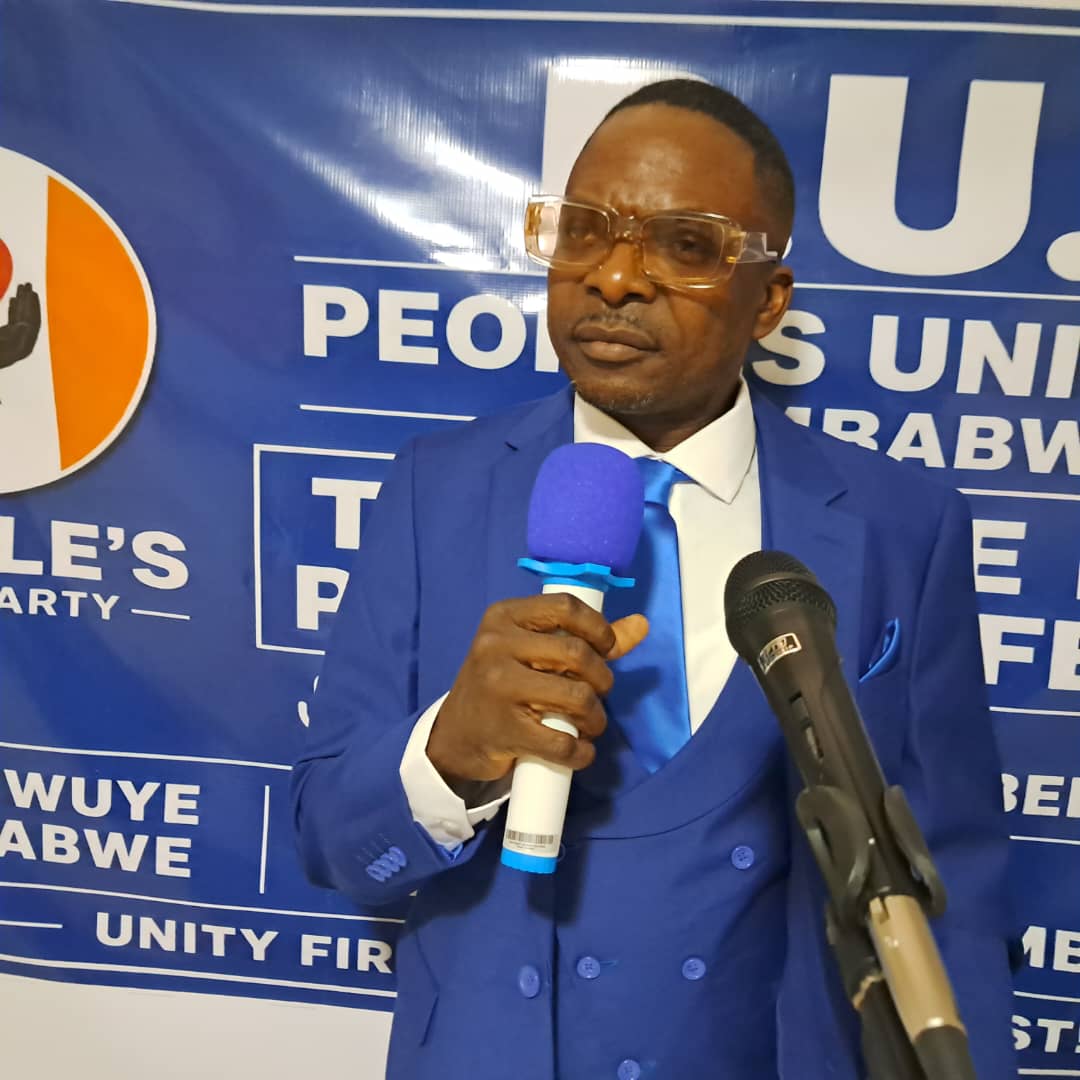
Herbert Chamuka UN Petition: Challenges Zimbabwe CAA3 Legality
Summary
- People's Unity Party leader Herbert Chamuka has petitioned the United Nations over Zimbabwe's Constitution of Zimbabwe Amendment (No. 3) Act, 2026 (CAA3).
- Chamuka argues that CAA3 was passed illegally because it lacked a national referendum.
- The amendment extends President Emmerson Mnangagwa’s term of office from 2028 to 2030.
- President Mnangagwa officially signed the controversial legislation into law.
Opposition Leader Petitions UN Over Constitutional Amendment
The UN's response to this petition could establish an important benchmark for how international bodies engage with domestic constitutional reforms, especially when their legality and popular mandate are disputed.
Herbert Chamuka, leader of the People's Unity Party (PUP), has formally submitted a petition to the United Nations, challenging the legality of Zimbabwe's Constitution of Zimbabwe Amendment (No. 3) Act, 2026 (CAA3). This move signals an escalation in the opposition's efforts to contest significant changes to the nation's foundational legal document. The petition seeks international scrutiny over a legislative act that has profound implications for the country's political landscape.
The Core Legal Challenge to CAA3
The crux of Mr. Chamuka's submission to the United Nations centers on the assertion that the Constitution of Zimbabwe Amendment (No. 3) Act, 2026 (CAA3) was passed through an illegal process, specifically highlighting the absence of a national referendum. He argues that fundamental changes to the nation's supreme law, particularly those with far-reaching implications for governance, necessitate direct public consultation and approval. This contention forms the bedrock of his challenge to the amendment's legitimacy.
According to the PUP leader, the procedural irregularities surrounding CAA3's enactment undermine its validity. The argument posits that bypassing a popular vote for such a critical constitutional alteration constitutes a violation of democratic principles and established legal norms within Zimbabwe. This specific challenge to the legality of CAA3 is a key component of the UN human rights challenge Zimbabwe is now facing.
Impact on Presidential Term Limits
The immediate and most significant consequence of the Constitution of Zimbabwe Amendment (No. 3) Act, 2026 is the extension of President Emmerson Mnangagwa’s tenure in office. Under the provisions of CAA3, the presidential term would be prolonged from its original end date of 2028 to 2030. This two-year extension has been a focal point of the controversy surrounding the amendment.
President Mnangagwa officially endorsed the legislation by signing it into law, thereby formalizing the constitutional changes. This act cemented the extension of his term, a move that has since prompted the international challenge from the PUP leader. The Mnangagwa term extension UN petition directly addresses this outcome.
Broader Implications and International Scrutiny
Herbert Chamuka's UN petition against CAA3 Zimbabwe represents a significant escalation in the ongoing struggle against what opposition figures deem controversial constitutional amendments. By appealing to the United Nations, the People's Unity Party leader aims to elevate the dispute beyond national legal frameworks, seeking to invoke international human rights and governance principles. This strategy highlights a growing trend among opposition movements to seek external validation and pressure when domestic avenues appear exhausted or compromised.
The international challenge to Zimbabwe's constitutional changes, particularly the Mnangagwa term extension, places the country's adherence to democratic processes under global scrutiny. The UN's response to this petition could establish an important benchmark for how international bodies engage with domestic constitutional reforms, especially when their legality and popular mandate are disputed.
Practical Implications
Lawyers in Zimbabwe, particularly those in constitutional law or human rights, should monitor the UN's response to this petition. It could establish a precedent for challenging domestic constitutional amendments through international bodies, influencing future legal strategies or advocacy for clients affected by such legislative changes.
Source
Source: Original reporting via Newsday.
How does this affect you?
Get an AI analysis of this article grounded in your jurisdictions, practice areas, and any policy documents you've uploaded to Wansom.
Finish Reading the Full Story and the Expert Analysis.
Wansom is AI and can make mistakes.