
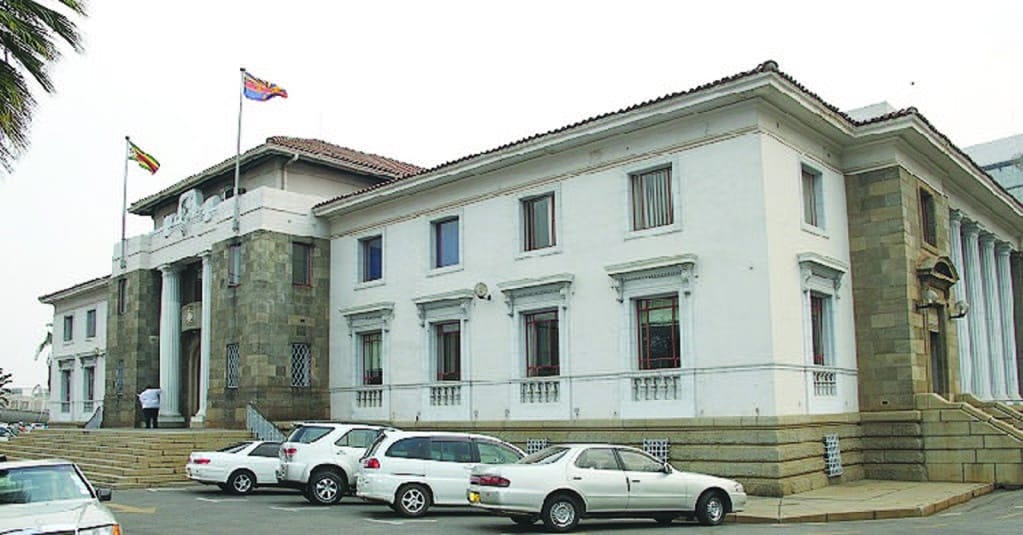
HCC: 150,000 Vendor Space Harare Available Amidst Clean-Up
Summary
- Harare City Council (HCC) has announced the availability of space for up to 17,660 vendors in Harare, though only 8,545 stalls are currently occupied.
- This revelation coincides with the intensified "Chenesa Harare" clean-up campaign.
- The campaign is a joint initiative by HCC and the Ministry of Local Government and Public Works.
- Since last week, the campaign has resulted in the removal of illegal vendors from streets and other undesignated trading points.
What Happened
Legal professionals advising informal traders or businesses impacted by street vending in Harare should closely monitor the practical implementation of these designated areas.
The Harare City Council (HCC) has made a significant announcement regarding the availability of substantial vendor space within the capital, indicating capacity to accommodate up to 17,660 stalls, though only 8,545 are currently occupied, while an estimated 20,000 to 30,000 vendors operate illegally. This revelation comes amidst an intensified "Chenesa Harare" clean-up campaign, a joint initiative spearheaded by the council and the Ministry of Local Government and Public Works. The campaign's primary objective is to address the prevalence of unauthorized street vending and other informal commercial activities across the city.
In recent days, the "Chenesa Harare" campaign has actively resulted in the removal of numerous illegal vendors from various public thoroughfares and other trading locations not officially designated for commercial purposes. These enforcement actions, which began last week, highlight a concerted effort by both municipal and national authorities to bring order to urban trading environments. The provision of such a large number of vendor spaces by HCC suggests a strategic approach that combines strict enforcement with a potential pathway for structured Harare City Council vendor relocation, aiming to formalize a significant portion of the informal sector.
Regulatory Drive and Enforcement
The "Chenesa Harare" clean-up campaign represents a coordinated operational push by the Harare City Council and the Ministry of Local Government and Public Works. This joint effort is specifically targeting informal traders operating outside of established legal frameworks and designated zones, aiming to restore order to urban areas. The campaign's objective is to clear streets and other undesignated trading points of unauthorized commercial activities, thereby enhancing public safety and urban aesthetics.
Since its inception last week, the campaign has actively seen the removal of individuals engaged in illegal vending from various city locations. This enforcement phase is a critical component of the broader strategy to manage public spaces and ensure compliance with municipal regulations. The involvement of the Ministry of Local Government Public Works vendors in this initiative underscores a higher-level governmental commitment to addressing the multifaceted challenges posed by unregulated street vending across Harare, moving beyond mere municipal oversight.
Legal and Policy Considerations
The announcement of 17,660 vendor spaces in Harare carries substantial implications for the city's informal trading sector and the broader Zimbabwe informal traders policy landscape. This move could signal a significant shift towards a more formalized and regulated system for street vendors, potentially requiring them to operate exclusively within these newly identified areas. Such a transition would necessitate careful consideration of existing and the development of new Zimbabwe by-laws informal trading, which would govern the allocation, operation, and management of these designated spaces.
For legal professionals advising informal traders or businesses impacted by street vending in Harare, it becomes imperative to closely monitor the practical implementation of these designated areas. The formulation of new by-laws or amendments to existing ones will be crucial for understanding compliance requirements, potential avenues for dispute resolution, and litigation related to trading permits and the utilization of public spaces. The successful integration of vendors into these Harare street vendor designated areas will depend heavily on clear, equitable regulatory frameworks and transparent allocation processes, ensuring both order and economic opportunity.
Practical Implications
Lawyers advising informal traders or businesses affected by street vending in Harare should monitor the implementation of these designated spaces and any new by-laws governing their operation, as it impacts compliance and potential litigation related to trading permits and public space use.
Source
Source: Original reporting via Newsday
How does this affect you?
Get an AI analysis of this article grounded in your jurisdictions, practice areas, and any policy documents you've uploaded to Wansom.
Finish Reading the Full Story and the Expert Analysis.
Get the latest legal & regulatory intelligence in Zimbabwe
Wansom is AI and can make mistakes.