
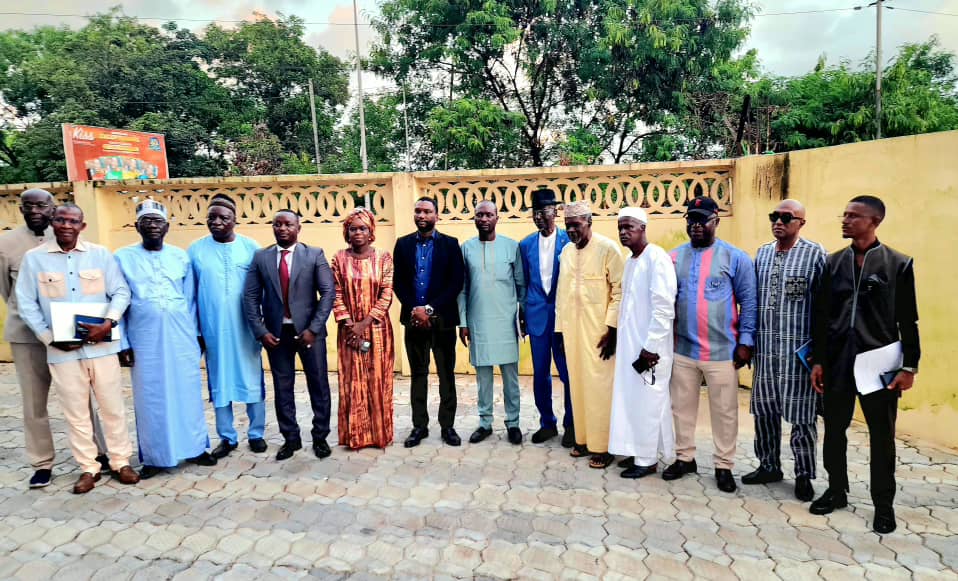
Guinean Ministry of Culture: Documenting and Repatriating Samory Toure's Assets
Summary
- The Guinean Ministry of Culture has convened a gathering of historians and heritage stakeholders to document and repatriate cultural assets held abroad.
- The initiative aims to reclaim properties linked to Almamy Samory Touré, a significant figure in West African history.
- The process involves complex legal considerations, including property rights and potential disputes over the return of cultural assets.
- Lawyers advising clients with interests in Guinea should monitor this development for implications on property rights and potential claims.
What Happened
The Guinean government's initiative to document and return Samory Toure's assets and Bokar Biromady's remains is a significant step towards preserving cultural heritage and promoting reconciliation with the past.
The Guinean Ministry of Culture, Tourism and Handicrafts has convened a gathering of historians, researchers, and heritage stakeholders to address the critical issue of documenting and repatriating Guinea's historical cultural assets held abroad. These assets include properties linked to Almamy Samory Touré, a 19th-century West African leader who played a significant role in resisting French colonial rule. The meeting aims to facilitate the return of these valuable items, which are considered an integral part of Guinean cultural heritage.
The initiative follows years of advocacy by various stakeholders, including local communities and international organizations, to reclaim Guinea's patrimoine guinéen. This effort is not only about preserving historical artifacts but also about recognizing the rights of indigenous peoples to their ancestral lands and cultural legacies.
Legal Context
The repatriation process involves complex legal considerations, including property rights, ownership claims, and potential disputes over the return of cultural assets. Lawyers advising clients with interests in Guinea should closely monitor this development as it may have significant implications for property rights and potential claims related to historical assets. The Guinean government's efforts to document and repatriate its cultural heritage are likely to be influenced by international laws and agreements, such as the 1970 UNESCO Convention on the Means of Prohibiting and Preventing the Illicit Import, Export and Transfer of Ownership of Cultural Property.
The return of Samory Toure's assets and Bokar Biromady's remains is not only a matter of cultural significance but also raises questions about the rights of indigenous peoples to their ancestral lands and cultural legacies. This process may set a precedent for similar repatriation efforts in other countries, highlighting the need for clear legal frameworks and international cooperation.
Why It Matters
The Guinean government's initiative to document and return Samory Toure's assets and Bokar Biromady's remains is a significant step towards preserving cultural heritage and promoting reconciliation with the past. This effort has far-reaching implications for communities affected by colonialism, slavery, and other forms of historical trauma. By reclaiming its patrimoine guinéen, Guinea can strengthen its identity, promote national unity, and contribute to global efforts to preserve cultural diversity.
The repatriation process also highlights the importance of international cooperation in addressing issues related to cultural heritage, property rights, and human rights. As this development unfolds, it is essential for stakeholders to engage in constructive dialogue, respect local communities' concerns, and prioritize transparency and accountability.
Practical Implications
Lawyers advising clients with interests in Guinea should monitor the development of this cultural heritage restitution process, as it may have implications for property rights and potential claims related to historical assets.
Source
How does this affect you?
Get an AI analysis of this article grounded in your jurisdictions, practice areas, and any policy documents you've uploaded to Wansom.
Wansom is AI and can make mistakes.