
Guinée FMI: Accord Staff-Level pour Facilité Élargie de Crédit
Summary
- Guinea has reached a staff-level agreement with the International Monetary Fund for a new economic and financial program, pending final approval by the IMF's Executive Board.
- The program, supported by the FMI's Extended Credit Facility, is valued at 425 million dollars.
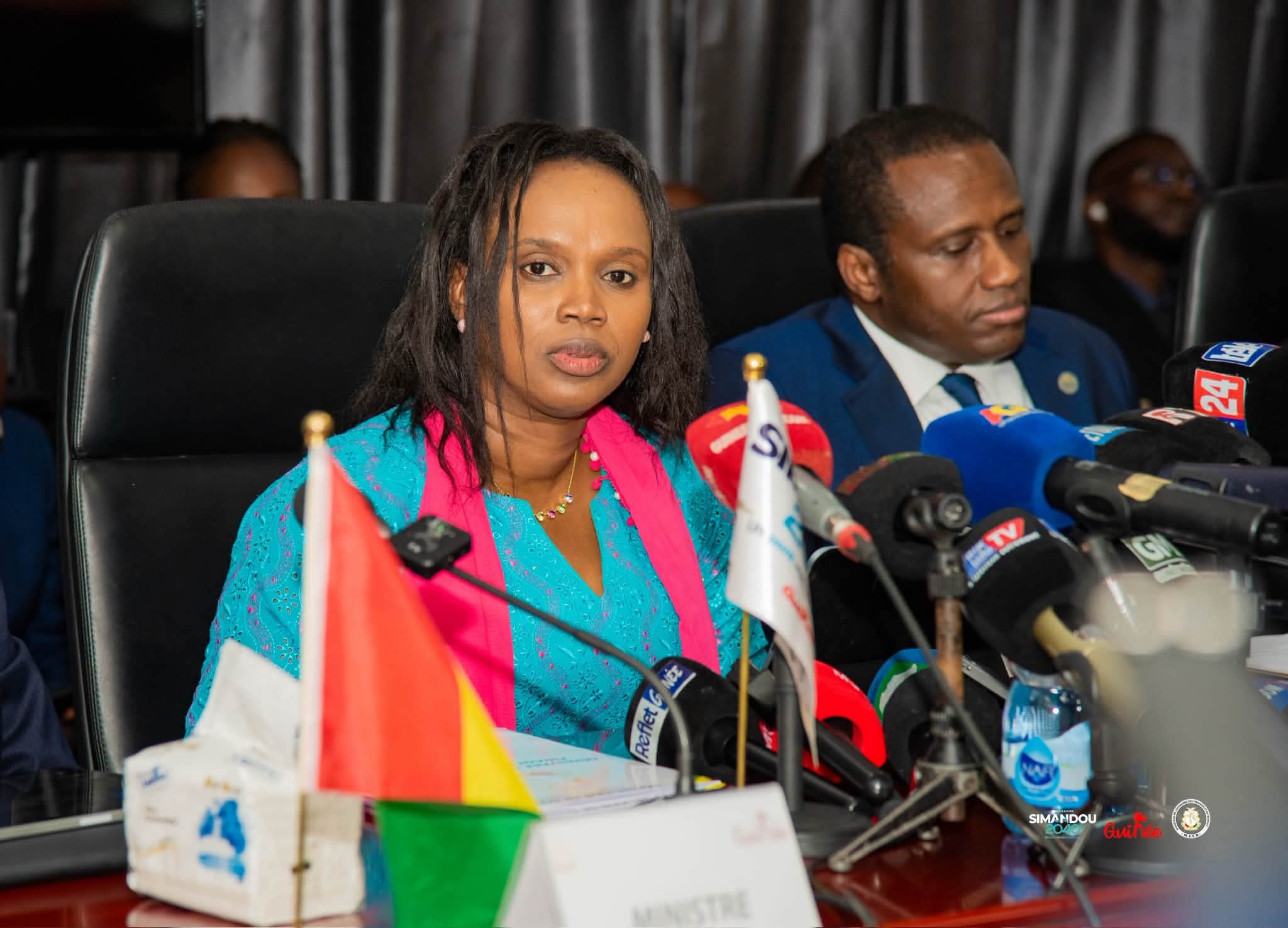
- A government press briefing on August 11, 2026, explained the details of the staff-level agreement, which is planned to span 41 months.
- The primary objective of this financial backing is to accelerate crucial economic reforms within Guinea.
What Happened
Lawyers and compliance officers operating within or considering investment in Guinea should therefore anticipate a period of dynamic regulatory evolution.
Guinea has reached a staff-level agreement with the International Monetary Fund (FMI) for a significant financial program, marking a new phase in its economic development strategy. This agreement is subject to final approval by the IMF's Executive Board. This pivotal staff-level accord, structured as a new economic and financial program, is proposed to be backed by the FMI's Extended Credit Facility (FEC), a mechanism designed to provide sustained support to countries undertaking comprehensive reforms. Following the staff-level agreement, the economic leadership within the Guinean government convened a press briefing on Tuesday, August 11, 2026.
The purpose of this public address was to elucidate the intricate details and broader scope of the newly established partnership. This "Guinée accord FMI 425 millions" is poised to inject substantial capital into the nation's economy. The program itself is slated to extend over a period of 41 months. The primary objective articulated by authorities is to leverage this financial backing to accelerate crucial economic reforms across various sectors. This "Guinée programme économique FMI" represents a strategic commitment to fostering stability and growth.
Legal and Regulatory Context
The implementation of an Extended Credit Facility (ECF) by the Fonds monétaire international Guinée typically signals a commitment to deep-seated structural adjustments that have significant legal and regulatory ramifications. Such facilities, like the "IMF Guinea Extended Credit Facility," are not merely financial disbursements; they are intrinsically linked to a country's adherence to a predefined set of policy conditions. For Guinea, this implies that the 425 million dollar agreement will likely necessitate a series of legislative and administrative changes aimed at improving fiscal discipline, enhancing governance, and fostering a more transparent and predictable business environment.
Lawyers and compliance officers operating within or considering investment in Guinea should therefore anticipate a period of dynamic regulatory evolution. The "réformes économiques Guinée FMI" are expected to touch upon areas such as public financial management, potentially leading to new procurement laws, stricter budgetary controls, and revised tax codes. Furthermore, efforts to combat corruption and strengthen institutional frameworks, often a cornerstone of FMI programs, could result in new anti-money laundering regulations, enhanced corporate governance requirements, and more robust judicial oversight. These reforms are designed to create a more attractive climate for both domestic and foreign investment, but they simultaneously introduce new compliance burdens and legal considerations for all stakeholders. The government's economic pool, in explaining the contours of this program, implicitly highlighted the broad scope of these anticipated changes.
Why It Matters
The substantial financial commitment from the FMI, totaling 425 million dollars, underscores the international community's confidence in Guinea's potential for economic transformation, provided it adheres to the agreed-upon reform agenda. This "Guinée FMI Facilité élargie crédit" is more than just an infusion of capital; it serves as a powerful signal to other international donors and private investors, potentially unlocking further funding and investment opportunities critical for long-term development. For the nation, the success of this "Guinée programme économique FMI" hinges on its ability to effectively implement the stipulated "réformes économiques Guinée FMI."
These reforms are crucial for addressing underlying structural weaknesses, promoting sustainable growth, and ultimately improving the living standards of its citizens. The government's proactive step in holding a press briefing on August 11, 2026, to explain the details, demonstrates a commitment to transparency and public engagement regarding this vital national undertaking. The program's anticipated duration of 41 months suggests a sustained effort will be required to achieve its ambitious goals, emphasizing the long-term vision behind this partnership with the Fonds monétaire international Guinée. The successful execution of these reforms could significantly bolster Guinea's economic resilience and its standing in the global financial landscape.
Practical Implications
Lawyers and compliance officers should closely monitor the specific economic reforms and legislative changes that will be implemented as a result of this IMF agreement, particularly concerning fiscal policy, governance, and the business environment in Guinea. These reforms will likely introduce new regulatory requirements and compliance obligations for businesses operating or investing in the country.
Source
How does this affect you?
Get an AI analysis of this article grounded in your jurisdictions, practice areas, and any policy documents you've uploaded to Wansom.
Wansom is AI and can make mistakes.