
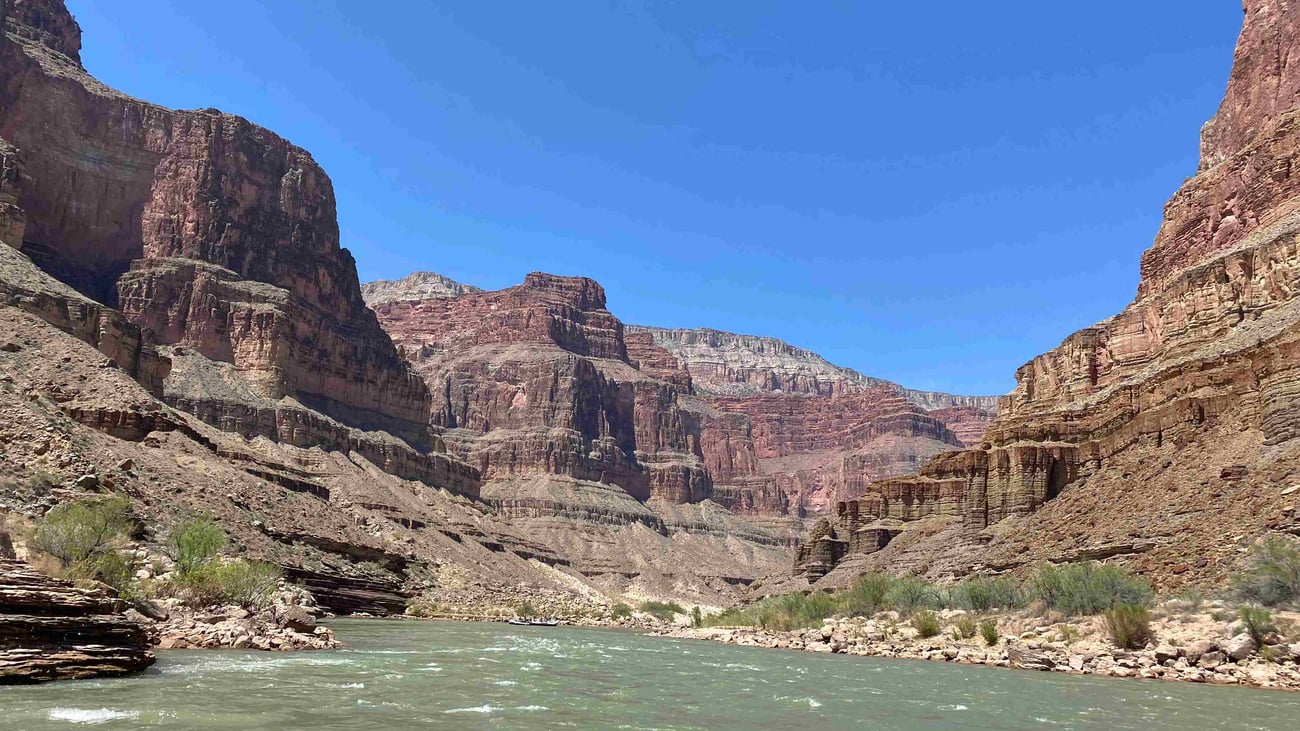
Grand Canyon National Park: Two Confirmed Flood Deaths, 15 Missing
Summary
- Deadly flash floods struck Grand Canyon National Park on Saturday, resulting in two confirmed deaths and at least 15 hikers still missing.
- The park experienced nearly two inches of rain, with half falling in under 30 minutes, causing significant damage to infrastructure including 40% of the Transcanyon Waterline and numerous footbridges.
- Key areas like Phantom Ranch, Bright Angel Campground, and parts of the North Kaibab Trail are closed indefinitely as search and recovery efforts continue.
- State and federal agencies are coordinating the response, while the National Weather Service warns of additional thunderstorms and advises hikers to avoid flood-prone areas.
- The National Park Service evacuated at least 62 people by helicopter and is seeking public assistance to identify stranded individuals.
Devastating Floods Strike Grand Canyon
The sudden and severe nature of the Grand Canyon National Park flood deaths highlights the extreme hazards posed by such weather phenomena in rugged terrain.
Deadly flash floods swept through Grand Canyon National Park on Saturday afternoon, leading to the recovery of two bodies and leaving at least 15 hikers unaccounted for. The National Park Service confirmed the discovery of a second victim on Monday morning, two days after nearly two inches of rainfall inundated the canyon's lower elevations. The first fatality, a 46-year-old man, was located Sunday evening near Crystal Rapids along the Colorado River, though no further details have been released regarding the second individual.
The intense downpour, which saw half of the nearly two inches of rain fall in less than 30 minutes, transformed popular trails and campgrounds into torrents. Videos shared online depicted fast-moving, debris-laden floodwaters carrying natural elements like rocks and branches, alongside remnants of bunkhouses and footbridges, through the narrow channels. The immediate aftermath prompted the National Park Service to evacuate at least 62 individuals by helicopter on Saturday, and officials are now appealing to the public for assistance in identifying any remaining stranded hikers.
The search and recovery operations are ongoing amidst challenging conditions. The unusual volume of rain for the area is particularly striking, as Phantom Ranch, a popular lodging spot at the canyon's base, typically receives less than ten inches of rainfall annually but was hit with nearly two inches in a single day during this event. The sudden and severe nature of the Grand Canyon National Park flood deaths highlights the extreme hazards posed by such weather phenomena in rugged terrain.
Widespread Damage and Coordinated Response
The flash floods inflicted significant damage to critical park infrastructure. Preliminary assessments indicate that approximately 40% of the Transcanyon Waterline, which serves as the sole treated, potable drinking water system along the south rim of the canyon, was either damaged or completely destroyed. Furthermore, the initial deluge obliterated nearly every footbridge spanning Bright Angel Creek, a tributary branching from the Colorado River near Phantom Ranch, with one hiker reporting he crossed a bridge just 30 seconds before it was washed away.
In response to the disaster, several key areas within the park have been closed indefinitely. These include Phantom Ranch, Bright Angel Campground, the Phantom Ranch Canteen and cabins, and the entire North Kaibab Trail from its trailhead to Phantom Ranch. Visitors are being urged to avoid these closure zones to allow search and recovery efforts to proceed unimpeded.
Arizona Governor Katie Hobbs announced on Sunday that the state's Department of Emergency and Military Affairs is collaborating closely with the National Park Service and Coconino County Emergency Management to support the ongoing operations. Governor Hobbs expressed her condolences to the families of those affected and thanked first responders, though her office has not provided more recent updates on the situation.
Lingering Weather Concerns and Safety Warnings
Meteorological analysis revealed that the Saturday flooding event comprised four distinct rounds of rainfall. National Weather Service meteorologist Joshua Schank noted that three initial rounds saturated the ground, with the fourth and strongest round occurring around 2:30 p.m., as observed on radar. This intense, localized rainfall contributed significantly to the rapid onset and severity of the flash floods.
Despite the immediate danger, the National Weather Service anticipates more thunderstorms in the Grand Canyon area, with Northern Arizona remaining under a flash flood watch until midnight on Tuesday. While meteorologist Schank stated he is not currently concerned about additional significant flooding, noting current radar estimates show only about 0.2 to 0.x inches of rain just north of Grand Canyon Village, the park service continues to issue warnings.
Hikers are strongly advised to steer clear of areas prone to flash flooding, including creeks, slot canyons, burn scars, and low water crossings, as forecasted weather conditions may impact the timing and pace of ongoing search and recovery operations.
Source
How does this affect you?
Get an AI analysis of this article grounded in your jurisdictions, practice areas, and any policy documents you've uploaded to Wansom.
Finish Reading the Full Story and the Expert Analysis.
Wansom is AI and can make mistakes.