
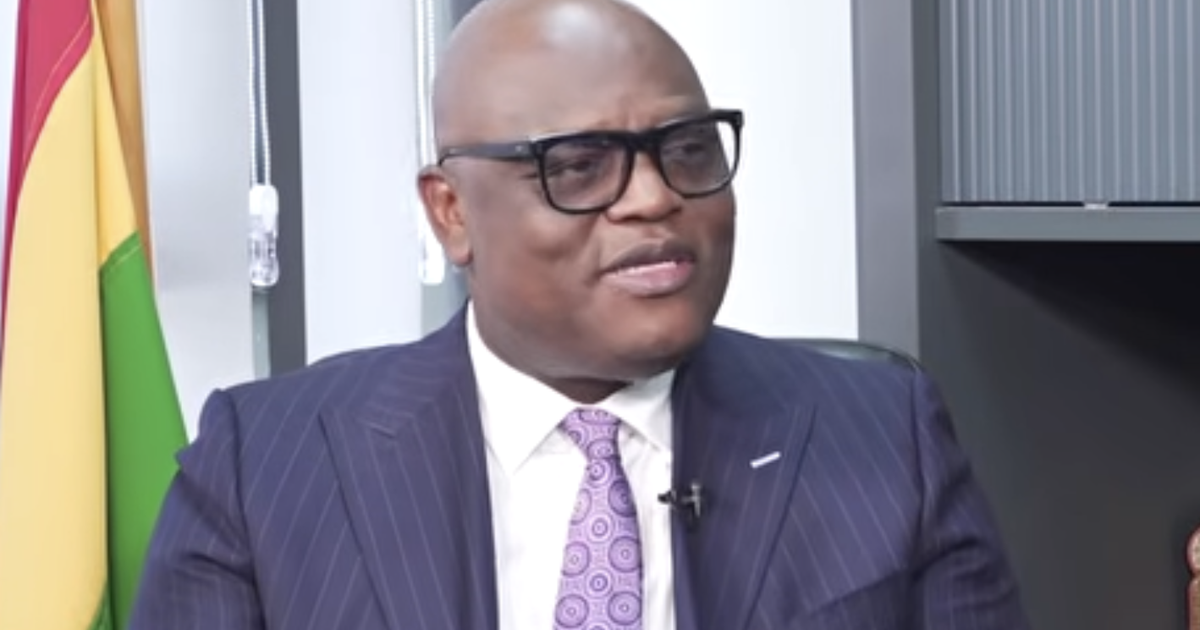
GIPA CEO: Ghana Informal Retail Foreign Trader Restrictions Reaffirmed
Summary
- GIPA CEO Simon Madjie affirmed that Ghana's informal retail sector is legally reserved solely for Ghanaian citizens.
- The government plans to use new model markets to enhance regulation and enforce existing restrictions on foreign participation in this sector.
- Madjie clarified that "trade" and "investment" are distinct, emphasizing that foreign capital does not permit non-Ghanaians to operate in restricted trading areas.
- Ghana maintains strict compliance requirements for all investors, rejecting any notion of relaxing rules to attract foreign capital.
- The GIPA provides an aftercare system to support businesses with operational issues, aiming to foster a level playing field and partnerships with local enterprises.
Ghana Reinforces Informal Retail Restrictions for Foreigners
The Ghana Investment Promotion Authority's CEO, Simon Madjie, has unequivocally stated that the nation's informal retail sector is legally reserved exclusively for Ghanaian citizens.
The Ghana Investment Promotion Authority (GIPA) CEO, Simon Madjie, recently underscored the government's firm stance on foreign participation in the nation's informal retail sector. Speaking on Joy News’ PM Express Business Edition, Mr. Madjie asserted that this crucial economic segment is legally reserved exclusively for Ghanaian citizens. He emphasized that the financial capacity of a foreign trader does not alter this fundamental restriction, stating clearly that regardless of the capital brought in, non-Ghanaians are not permitted to operate in this domain.
To address long-standing challenges in enforcing these regulations, Mr. Madjie highlighted the government's model markets as a pivotal solution. These new market structures are designed to provide authorities with enhanced control over trading spaces, thereby facilitating more effective enforcement of existing restrictions against foreign traders. The initiative aims to bring greater order and compliance to a sector that has historically faced difficulties in regulatory oversight.
Distinguishing Trade from Investment
A significant point of confusion, according to the GIPA CEO, stems from a failure to differentiate between "trade" and "investment." Simon Madjie clarified that trading involves the direct exchange of goods and services, an activity explicitly restricted for foreign entities within Ghana's informal retail sector. In contrast, investment entails committing resources, establishing a formal entity, creating value, and undertaking financial risk. He stressed that these are "completely two different things" and that conflating them leads to misunderstandings regarding foreign participation rules.
Mr. Madjie firmly rejected any notion that Ghana might relax its foreign ownership laws to attract international investors. He affirmed that both domestic and foreign investors are expected to adhere strictly to the country's established regulations. Furthermore, he pointed out that internationally listed companies operating in Ghana face robust accountability systems, meaning any breaches of Ghanaian law could have significant repercussions for their shares and reputation abroad. The GIPA's position is clear: compliance is non-negotiable for all.
Enhanced Enforcement Through Model Markets
The primary hurdle in upholding the foreign restrictions in Ghana's informal retail sector has been enforcement, a challenge Simon Madjie openly acknowledged. He called for improved coordination among the various agencies responsible for market management to effectively tackle this issue. The government's model markets, currently under construction as part of initiatives by President John Mahama, are envisioned as the ultimate tool to overcome these enforcement gaps.
These model markets are designed to be more than just physical selling spaces; they are intended to be well-regulated environments equipped with essential services like fire safety infrastructure. This comprehensive approach will grant authorities greater oversight and control, enabling them to systematically regulate trading activities and ensure adherence to the Ghana retail sector foreign ownership law. The GIPA CEO views these structured environments as the long-term solution to persistent regulatory issues.
GIPA's Commitment to a Level Playing Field
Beyond enforcement, the Ghana Investment Promotion Authority is actively working to foster an equitable business environment. Simon Madjie indicated that GIPA is dedicated to leveling the playing field, ensuring fair competition for all participants. The Authority also provides an "aftercare system" to assist businesses, including foreign entities, in navigating operational challenges such as those related to Value Added Tax (VAT) or other tax collection issues.
This support mechanism underscores GIPA's broader objective to facilitate legitimate business operations while upholding national laws. The ultimate aim is to encourage partnerships with Ghanaian businesses, integrating foreign investment in a manner that aligns with the country's economic development goals and respects the legal framework reserving specific sectors, like informal retail, for local entrepreneurs.
Practical Implications
Foreign businesses operating or planning to operate in Ghana's informal retail sector must be aware of and comply with strict local ownership restrictions, as the GIPA CEO signals increased enforcement through new regulatory frameworks like model markets. Legal counsel should advise clients on the distinction between trade and investment to mitigate compliance risks and potential regulatory action.
Source
How does this affect you?
Get an AI analysis of this article grounded in your jurisdictions, practice areas, and any policy documents you've uploaded to Wansom.
Finish Reading the Full Story and the Expert Analysis.
Get the latest legal & regulatory intelligence in Ghana
Wansom is AI and can make mistakes.