
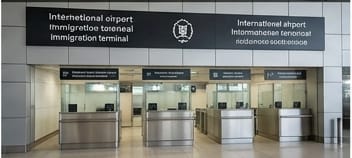
Ghanaian Times: Explores Visa Paradox, Sovereignty, and Human Mobility
An opinion piece published in the Ghanaian Times and featured on AllAfrica Ghana reflects on the fundamental paradox of visa requirements for international travel, questioning the necessity for individuals to seek state permission to move across borders for purposes such as study, work, or tourism.
This commentary, while not a specific legal development, holds significant legal and societal implications by highlighting the tension between state sovereignty and individual freedom of movement. For legal practitioners, it underscores the complex policy debates surrounding immigration law, global mobility, and the inherent inequalities perpetuated by current visa regimes. It prompts a deeper consideration of how national immigration policies, often rooted in security and economic control, impact human rights and international relations, influencing everything from business travel to family reunification.
The underlying legal context for such discussions involves national immigration statutes, such as Ghana's Immigration Act, 2000 (Act 573), and international conventions that govern travel and human rights, though the excerpt does not cite specific legal provisions. The concept of state sovereignty, which grants nations the authority to control their borders and determine who enters and exits, is a foundational principle. However, this principle is often balanced against evolving international norms regarding human mobility and the economic benefits of open borders.
The key parties involved in this broader discussion are individuals seeking to travel, national governments and their immigration authorities (like Ghana Immigration Service), and international bodies advocating for human rights and freer movement. The author of the opinion piece, representing a voice from the Ghanaian Times, serves as a catalyst for this reflection, engaging the public and legal community in a critical examination of existing frameworks.
Attorneys advising clients on immigration, international business, or human rights should monitor ongoing policy discussions and potential reforms related to visa requirements. Understanding the philosophical and practical underpinnings of these regulations is crucial for effectively navigating the complexities of international travel and for advocating for clients facing challenges related to visa applications, refusals, or policy changes. This piece serves as a reminder that immigration law is not static but is continually shaped by global dynamics and ethical considerations.
How does this affect you?
Get an AI analysis of this article grounded in your jurisdictions, practice areas, and any policy documents you've uploaded to Wansom.
Finish Reading the Full Story and the Expert Analysis.
Get the latest legal & regulatory intelligence in Ghana
Wansom is AI and can make mistakes.