
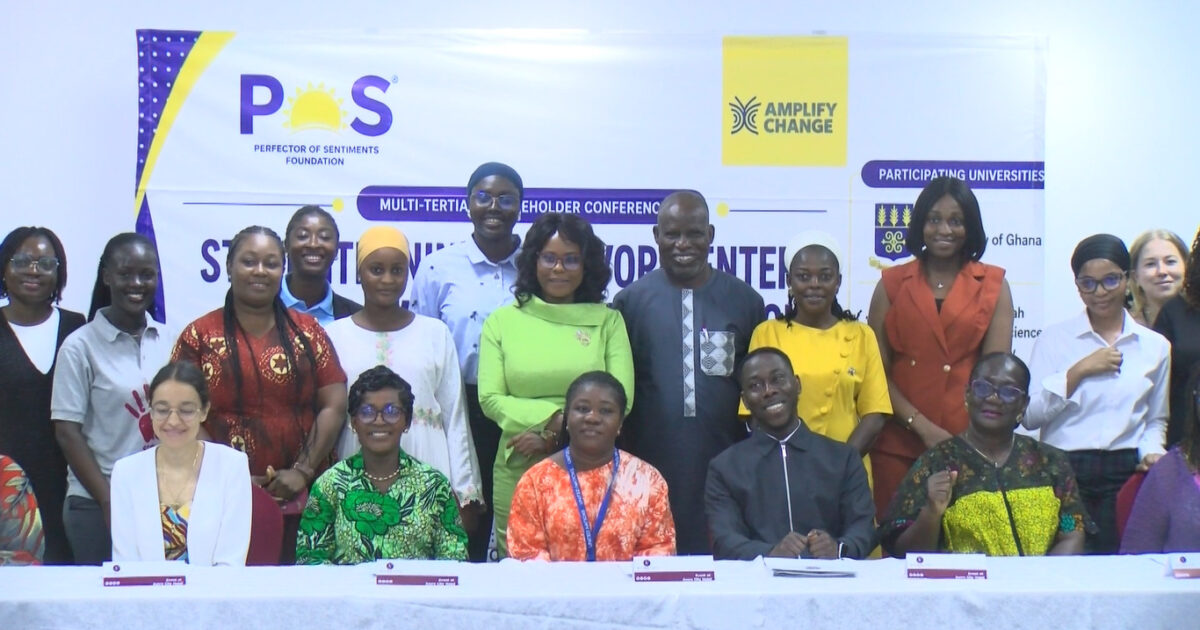
Ghana High Court: Universities Must Prevent Student Cohabitation, Harassment
Summary
- The POS Foundation has raised concerns over student cohabitation and sexual harassment in Ghana's public universities.
- Student cohabitation can lead to domestic conflicts, which may escalate into physical or sexual abuse.
- Universities are urged to take proactive measures to prevent these issues and protect students from potential harm.
What Happened
The organisation is calling on lawyers advising universities in Ghana to be aware of the potential liability for failing to prevent or address these issues, which could lead to physical or sexual abuse claims.
The POS Foundation has sounded the alarm on student cohabitation and sexual harassment in Ghana's public universities. The organisation has expressed concerns that these practices can compromise efforts to create safe learning environments for students.
According to the POS Foundation, student cohabitation can lead to domestic conflicts, which may escalate into physical or sexual abuse in some cases.
Legal Context
Ghana's universities are governed by various laws and regulations that aim to ensure a safe and conducive environment for students. However, the POS Foundation has highlighted the need for universities to take proactive measures to prevent student cohabitation and sexual harassment.
The organisation is calling on lawyers advising universities in Ghana to be aware of the potential liability for failing to prevent or address these issues, which could lead to physical or sexual abuse claims.
Why It Matters
The POS Foundation's concerns over student cohabitation and sexual harassment are not just about creating safe learning environments but also about protecting students from potential harm. The organisation is urging universities to take a proactive approach in addressing these issues, which can have long-term consequences for students' well-being.
In the context of university student relationships in Ghana, it is essential for institutions to establish clear policies and guidelines that promote healthy relationships and prevent harassment.
Practical Implications
Lawyers advising universities in Ghana should be aware of the potential liability for failing to prevent or address student cohabitation and sexual harassment, which could lead to physical or sexual abuse claims.
Source
How does this affect you?
Get an AI analysis of this article grounded in your jurisdictions, practice areas, and any policy documents you've uploaded to Wansom.
Wansom is AI and can make mistakes.