
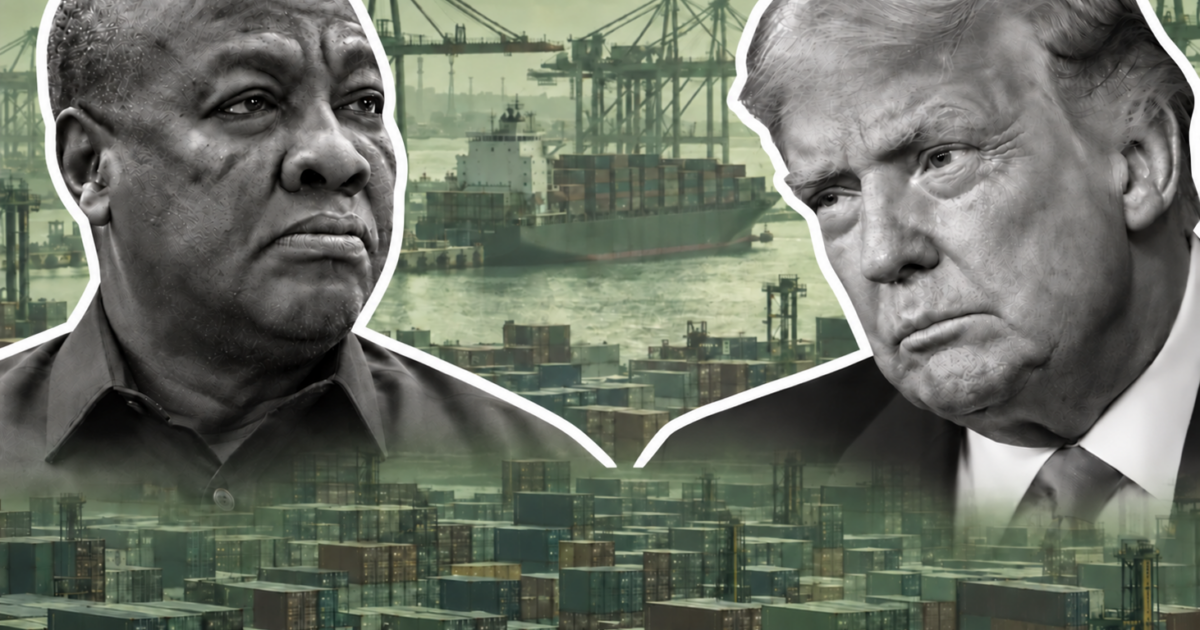
Ghana: Trump's US Tariffs Threaten BRICS Partner Status
Summary
- Ghana is actively seeking partner status with the BRICS economic bloc.
- This move could expose Ghana to significant tariff threats proposed by former US President Donald Trump.
- Trump has suggested an additional 10% tariff for countries aligning with BRICS' "anti-American policies."
- A more severe 100% tariff warning is linked to efforts to replace the US dollar in international trade.
- Foreign Affairs Minister Samuel Okudzeto Ablakwa is involved in discussions surrounding these developments and their implications.
Ghana's BRICS Ambition and US Tariff Concerns
The decision to seek BRICS partner status therefore carries substantial geopolitical and economic weight.
Ghana's strategic decision to pursue partner status within the BRICS economic bloc has ignited discussions regarding its potential vulnerability to trade penalties from the United States. This move by the West African nation is being closely scrutinized for its implications concerning tariff measures previously outlined by former US President Donald Trump. Should Ghana deepen its alignment with the BRICS group, its exports to the American market could face significant new duties, impacting Ghana US trade relations.
The government of Ghana, with figures like Foreign Affairs Minister Samuel Okudzeto Ablakwa involved in the discourse, is navigating a complex international landscape. The prospect of BRICS partner status introduces a critical geopolitical dimension to Ghana's economic policy, particularly in light of potential US trade threats Ghana. The possibility of economic repercussions from a future Trump administration, which has historically favored tariffs as a foreign policy instrument, is now a primary consideration for Ghanaian officials and businesses engaged in international trade.
Proposed Tariffs and Policy Conditions
The tariff proposals articulated by former President Trump are designed to address specific perceived challenges to US economic and foreign policy interests. One such measure includes an additional 10% levy on goods from countries that, in his assessment, align with what he describes as the "anti-American policies" of the BRICS grouping. This particular Ghana 10% tariff would directly increase the cost of Ghanaian products entering the American market, potentially diminishing their competitive edge and affecting overall Ghana export duties US.
Furthermore, a more severe 100% tariff warning has been issued, specifically targeting nations that might endeavor to replace the US dollar in global commerce, especially within their respective economic blocs. For Ghana, this substantial Ghana 100% tariff threat highlights the considerable economic risks associated with any move towards de-dollarization efforts that the BRICS alliance might undertake. Such a policy, if adopted and perceived as a challenge to the dollar's international standing, could place Ghana's export sector in a precarious position.
Geopolitical Stakes and Economic Implications
Ghana's pursuit of BRICS partner status, while potentially fostering new trade and investment opportunities with emerging economies, simultaneously creates a delicate balancing act with its existing trade relationships, particularly with the United States. The looming threat of increased Ghana US tariffs Trump BRICS could have a profound impact on Ghana's economy, given the significance of the American market for a diverse range of Ghanaian goods. Such tariffs would likely result in higher prices for US consumers and reduced profitability or market access for Ghanaian producers.
Consequently, the decision to seek BRICS partner status carries substantial geopolitical and economic weight. It necessitates that Ghana carefully evaluate the advantages of closer integration with BRICS nations against the potential for punitive trade actions from the US, as articulated by former President Trump. The BRICS partner status implications extend beyond immediate trade figures, influencing long-term economic development, the diversification of international partnerships, and the broader trajectory of Ghana's foreign policy in an evolving global order. This scenario underscores the complex challenges faced by developing nations navigating shifts in global power dynamics.
Practical Implications
Lawyers and compliance officers should advise clients exporting from Ghana to the US to assess potential supply chain disruptions and increased costs due to proposed tariffs. Monitor US trade policy developments closely, especially regarding countries engaging with BRICS, to anticipate changes in import duties or trade preferences.
Source
Source: Based on recent reports
How does this affect you?
Get an AI analysis of this article grounded in your jurisdictions, practice areas, and any policy documents you've uploaded to Wansom.
Finish Reading the Full Story and the Expert Analysis.
Get the latest legal & regulatory intelligence in Ghana
Wansom is AI and can make mistakes.