
EPA Ghana: Public Awareness for Ghana Styrofoam Ban 2027 Implementation
Summary
- The Environmental Protection Authority (EPA) launched its second public awareness campaign in Kumasi on August 26, 2026, regarding Ghana's impending ban on polystyrene products.
- The Ghana Styrofoam ban is scheduled for implementation in January 2027.
- The campaign aims to educate manufacturers, distributors, businesses, and consumers on the ban's rationale, environmental concerns, and available alternatives.
- The EPA will also host an "EPA in Focus" event to highlight reforms and transformations under the new Environmental Protection Act.
- Businesses are urged to assess supply chains and transition to compliant alternatives well before the January 2027 deadline to avoid disruptions and penalties.
Public Awareness Intensifies
Lawyers and compliance officers in Ghana should advise clients, particularly manufacturers, distributors, and businesses reliant on polystyrene products, to immediately assess their supply chains and operations.
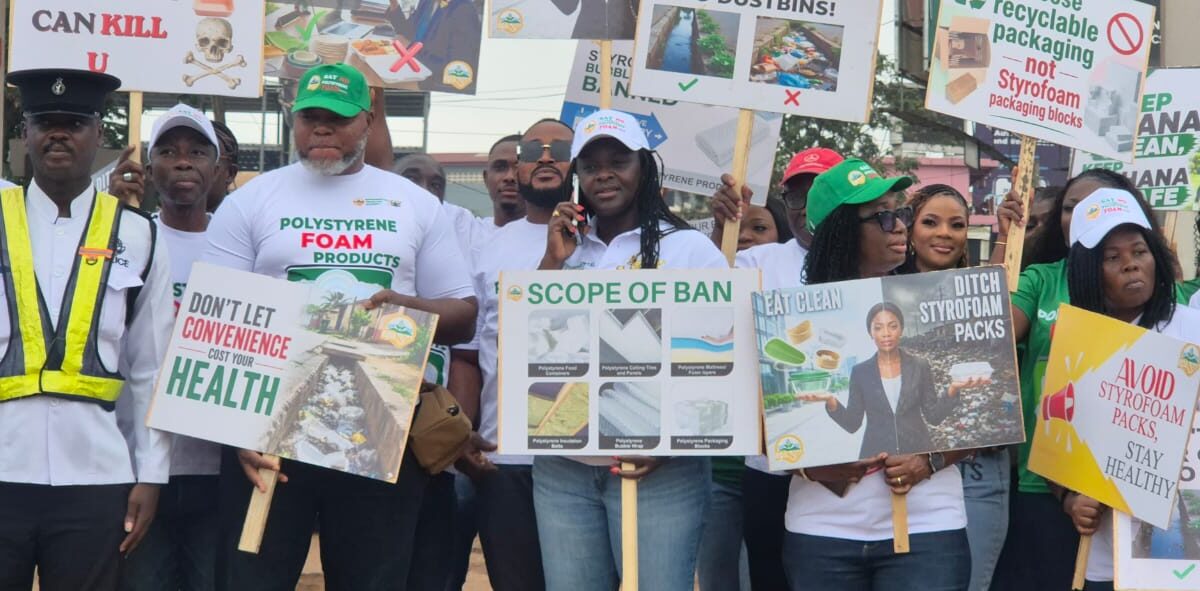
The Environmental Protection Authority (EPA) has initiated its second major public awareness campaign in Kumasi, Ghana, focusing on the country's impending prohibition of polystyrene products. This extensive outreach, which commenced on August 26, 2026, is designed to educate various stakeholders, including manufacturers, distributors, businesses, and consumers, about the rationale behind the ban, the environmental concerns associated with these products, and available alternatives. The campaign also aims to guide them on necessary preparations for the January 2027 implementation of the policy.
Under the leadership of EPA CEO Prof Nana Ama Browne Klutse, the Kumasi initiative represents the second significant public awareness effort targeting Ghana's middle belt, following a national launch event held earlier in Makola, Accra. The campaign employs a multi-faceted approach, utilizing roadshows, direct engagements in markets, media interactions, and social media outreach to ensure broad dissemination of information. A key component of the Kumasi activities includes a roadshow traversing principal streets, from Anloga Junction to the Kejetia Market, where a mini durbar is scheduled to engage traders and the public directly.
During these engagements, EPA officials are explaining the full scope of the forthcoming ban, detailing the environmental and health concerns linked to the use and disposal of Styrofoam products, and presenting alternative product options. They are also actively addressing questions and concerns raised by manufacturers, distributors, traders, and other interested parties. The EPA emphasizes that robust public education is crucial for facilitating a smooth transition and minimizing disruptions for businesses currently heavily reliant on polystyrene packaging.
The Impending Polystyrene Prohibition
Ghana is moving closer to the January 2027 implementation of a nationwide ban on polystyrene products, a measure the Environmental Protection Authority (EPA) views as a critical step towards more sustainable environmental practices. This Ghana Styrofoam ban 2027 implementation is not merely a regulatory intervention but forms part of a broader national strategy to significantly reduce plastic pollution and foster the adoption of environmentally sound alternatives across various sectors.
The EPA's intensified public education efforts, which include detailing the EPA Ghana Styrofoam regulations, underscore the environmental concerns associated with polystyrene products. The authority is committed to ensuring that all stakeholders fully comprehend the implications of the Ghana polystyrene product ban and have ample time to adapt to the new regulatory regime. This proactive approach is intended to prepare the market for the shift away from polystyrene, encouraging innovation and investment in sustainable packaging solutions.
Evolving Regulatory Landscape
Beyond the immediate focus on the Ghana Styrofoam ban 2027 implementation, the Environmental Protection Authority is also highlighting significant reforms and transformations under the new Environmental Protection Act. As part of these efforts, the EPA is scheduled to host a policy engagement titled "EPA in Focus" on Thursday, following the Kumasi campaign launch. This event aims to provide deeper insights into the authority's evolving mandate, new enforcement mechanisms, and other institutional reforms being rolled out under the updated legislation.
The EPA consistently advocates for increased public participation and collaborative efforts among stakeholders as Ghana progresses towards more sustainable environmental management. The ban on polystyrene products is presented within this larger context, symbolizing the nation's commitment to reducing environmental impact and promoting a circular economy. These Environmental Protection Act Ghana reforms are designed to strengthen the country's capacity to address environmental challenges comprehensively.
Preparing for the January 2027 Deadline
With the January 2027 Ghana ban deadline approaching, the Environmental Protection Authority is strongly urging manufacturers, businesses, traders, and consumers to begin their preparations immediately. The successful transition hinges on proactive measures to identify and adopt Ghana plastic packaging alternatives, thereby avoiding operational disruptions and potential penalties once the new regulations take full effect. The EPA's public awareness campaigns are specifically designed to outline these alternative products and guide businesses through the transition process.
Lawyers and compliance officers in Ghana should advise clients, particularly manufacturers, distributors, and businesses reliant on polystyrene products, to immediately assess their supply chains and operations. They must identify and transition to compliant alternatives well in advance of the January 2027 implementation deadline to avoid operational disruptions and potential penalties under the new Environmental Protection Act. This proactive engagement is vital for ensuring business continuity and adherence to the forthcoming environmental standards.
Practical Implications
Lawyers and compliance officers in Ghana should advise clients, particularly manufacturers, distributors, and businesses reliant on polystyrene products, to immediately assess their supply chains and operations. They must identify and transition to compliant alternatives well in advance of the January 2027 implementation deadline to avoid operational disruptions and potential penalties under the new Environmental Protection Act.
Source
How does this affect you?
Get an AI analysis of this article grounded in your jurisdictions, practice areas, and any policy documents you've uploaded to Wansom.
Wansom is AI and can make mistakes.