
Ghana Minister: Calls SOEs To Shape Public Pay System Reform
Summary
- Emmanuel Kwadwo Agyekum, Ghana's Minister for Labour, Jobs and Employment, urged SOE Chief Executives to help develop a new public sector compensation system.
- The government aims to create a home-grown, sustainable pay system, not an imposed foreign model.
- This new system will be based on broad consultation and the experiences of public sector stakeholders.
- The initiative seeks to reform Ghana's public sector compensation framework for greater equity and efficiency.
Call for SOE Engagement in Pay Reform
The Minister's call for SOE involvement highlights the critical role these entities play in the broader public sector and the necessity of their perspectives in shaping a viable compensation system.
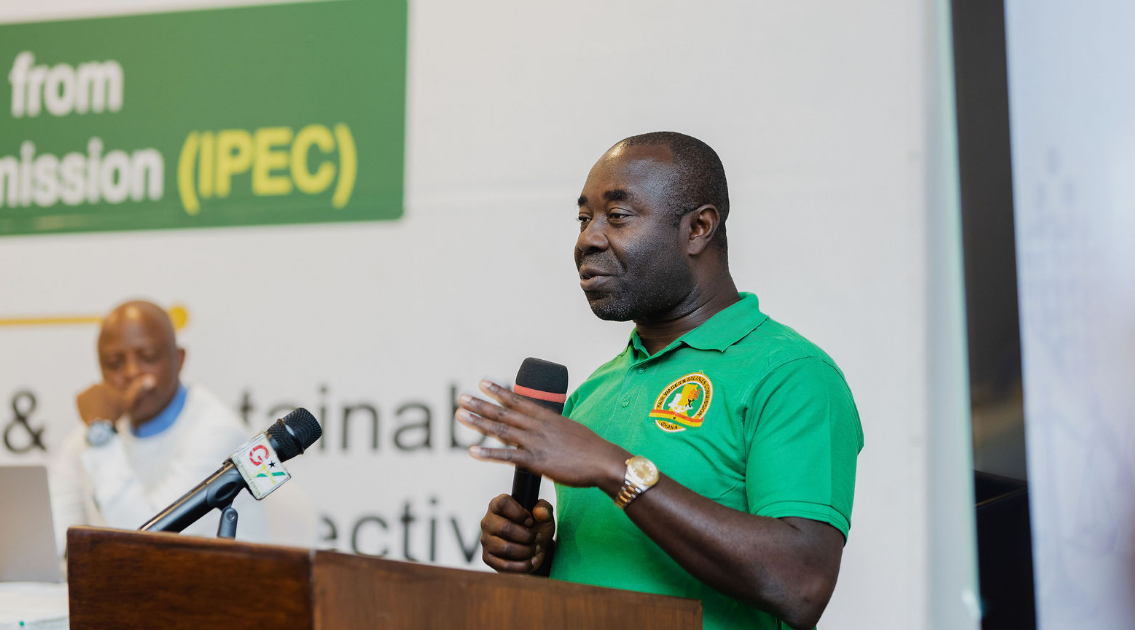
Ghana's Minister for Labour, Jobs and Employment, Emmanuel Kwadwo Agyekum, has issued a direct appeal to Chief Executives of State-Owned Enterprises (SOEs), urging their active participation in the formulation of a new public sector compensation framework. This initiative marks a significant step in the government's efforts to overhaul the existing pay structure for public employees across the nation.
Mr. Agyekum underscored that the government's approach is rooted in collaboration rather than imposition. He explicitly stated that the objective is not to adopt an external or foreign compensation model. Instead, the focus is on developing a system that is inherently Ghanaian, sustainable in the long term, and built upon extensive dialogue and the practical insights of various stakeholders operating within the public sector.
Context of Public Sector Compensation Reform
The push for a new public sector compensation system reflects an ongoing commitment to refine Ghana's framework for remunerating its vast public workforce, including those within State-Owned Enterprises. This reform effort aims to create a more equitable and efficient pay structure that aligns with national economic realities and development goals. The emphasis on a 'home-grown' solution suggests a desire to tailor the system specifically to Ghana's unique socio-economic landscape, moving away from potentially unsuitable imported models.
Such systemic changes often involve complex considerations, including budgetary constraints, labor market dynamics, and the need to ensure fair wages while maintaining fiscal responsibility. The involvement of SOEs is particularly crucial given their significant role in the national economy and their diverse operational structures, which can present unique challenges and opportunities within a unified compensation system. This broad consultation process is designed to gather comprehensive input, ensuring that the final framework is robust and widely accepted across the public sector.
Why SOE Input Matters
The Minister's call for SOE involvement highlights the critical role these entities play in the broader public sector and the necessity of their perspectives in shaping a viable compensation system. By actively contributing their experiences and insights, SOE leaders can help ensure that the proposed Ghana SOE public pay system reform addresses the specific operational and human resource needs of their organizations, fostering a more practical and effective outcome.
This consultative approach is vital for developing a sustainable system that can withstand future economic fluctuations and support long-term growth. The integration of stakeholder experiences, particularly from diverse public sector entities like SOEs, is paramount to crafting a framework that is not only fair but also implementable and resilient. The outcome of this reform will have lasting implications for Ghana's public sector compensation system, potentially influencing future employment contracts, collective bargaining agreements, and overall labour law reform within the country.
Practical Implications
Lawyers advising Ghanaian SOEs should monitor developments in the public pay system reform to anticipate changes to compensation structures and ensure compliance with new regulations. This consultation period offers an opportunity for SOEs to influence the final framework, potentially impacting future employment contracts and collective bargaining agreements.
Source
Source: Original reporting via GhanaWeb
How does this affect you?
Get an AI analysis of this article grounded in your jurisdictions, practice areas, and any policy documents you've uploaded to Wansom.
Finish Reading the Full Story and the Expert Analysis.
Get the latest legal & regulatory intelligence in Ghana
Wansom is AI and can make mistakes.