
Ghana's Foreign Minister Leads Reparations Demand to Perpetrators
Summary
- Ghana has taken on a leading role in pushing for reparations from nations and institutions that benefited from the slave trade.
- The country's Foreign Minister, Samuel Okudzeto Ablakwa, is at the forefront of efforts to hold perpetrators accountable and secure debt relief and compensation.
- The Church of England has been identified as having invested heavily in the slave trade, with its missionary wing running plantations and owning hundreds of slaves.
- A UN resolution recognizing slavery as 'the greatest crime against humanity' was passed in March, but the UK and other European nations abstained from the vote.
Ghana's Leadership in Reparatory Justice
The country has taken on a significant role in pushing for reparations, with Foreign Minister Samuel Okudzeto Ablakwa at the forefront of efforts to hold perpetrators accountable. Ghana's history as a pan-African leader and its experience with colonialism have given it a unique perspective on the issue. The African Union has entrusted Ghana with the responsibility of championing reparatory justice, a role that the country's political leadership is taking seriously. This commitment is driven in part by the fact that an estimated 10-15% of the 12 million Africans forcibly removed from their homes were from what is now Ghana. As Ablakwa notes, 'Ghana was the crime scene where these atrocities took place, so Ghana cannot afford to be silent on ensuring that we hold perpetrators accountable.' The minister's vision for reparatory justice includes funding educational grants and venture capital for young African entrepreneurs, as well as research into health issues that may have originated from the slave trade. While he emphasizes that this is not about direct financial gain for African leaders, debt relief and compensation claims are also on the table.
The Church of England's Involvement in the Slave Trade
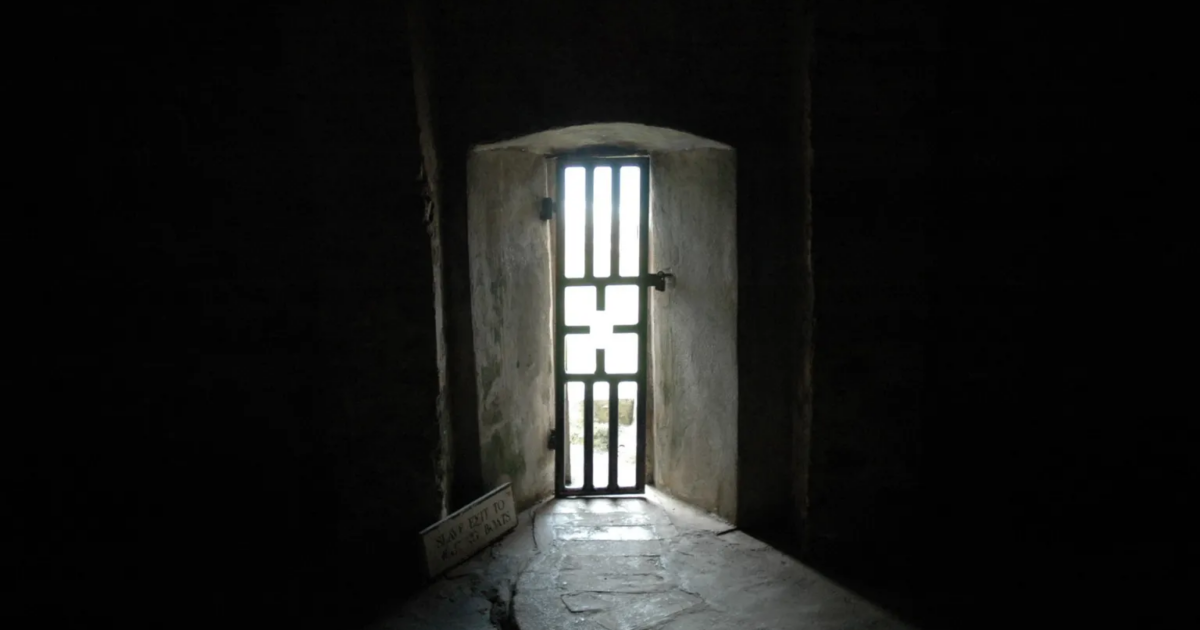
One institution that has been identified as having benefited from the slave trade is the Church of England. Its missionary wing ran plantations and owned hundreds of slaves, generating significant revenue for the organization. A recent report by the Church's endowment fund revealed large investments in the slave trade, which yielded substantial profits. The Church's involvement in the slave trade dates back to the 18th Century, with many clergy independently owning slaves. In July, Archbishop of Canterbury Dame Sarah Mullally visited Ghana, touring Cape Coast Castle and acknowledging the country's role as a hub for the transatlantic slave trade. This visit was seen as an opportunity for the Church to engage with the reparations debate and consider its own culpability in the slave trade.
Global Implications of Reparatory Justice
The push for reparatory justice has gained momentum globally, with a UN resolution recognizing slavery as 'the greatest crime against humanity' passed in March. However, the UK and other European nations abstained from the vote, while the US voted against it. This resistance has not deterred Ghana's efforts to lead the charge on reparations. The country's approach is centered around accountability, with a focus on individual institutions like the Church of England being held responsible for their role in the slave trade. As the debate continues, lawyers and compliance officers should be aware of potential developments in debt relief and compensation claims, which may have implications for financial reporting and risk management.
Practical Implications
Lawyers and compliance officers should watch for potential developments in the push for reparatory justice, including debt relief and compensation claims from institutions like the Church of England, which may have implications for financial reporting and risk management.
Source
How does this affect you?
Get an AI analysis of this article grounded in your jurisdictions, practice areas, and any policy documents you've uploaded to Wansom.
Wansom is AI and can make mistakes.