
Ghana's Court of Appeal Overturns Sedina Tamakloe Sentence
Summary
- The Court of Appeal overturned the 10-year custodial sentence imposed on Sedina Tamakloe-Attionu, exposing significant shortcomings in both the prosecution and trial process.
- The prosecution failed to meet the standard required for a conviction, with serious weaknesses highlighted in charges five to 71.
- Former Attorney-General Godfred Yeboah Dame's performance has been criticized for his handling of the case.
- The Court of Appeal's decision raises questions about the competence of the Attorney-General and the judge who presided over the case.
Court of Appeal's Decision Highlights Weak Prosecution
What the judges have said in this judgment is to the effect that we had a very ineffective, incompetent Attorney General, as well as the judge who sat on it was incompetent.
The Court of Appeal's recent decision to overturn the 10-year custodial sentence imposed on Sedina Tamakloe-Attionu has exposed significant shortcomings in both the prosecution and trial process. The case, which involved numerous charges including causing financial loss to the state, stealing, conspiracy to steal, and improper use of state property, was marred by a weak prosecution that failed to meet the standard required for a conviction. According to Article 19(2) of the 1992 Constitution, criminal trials must be conducted in accordance with constitutional standards, which the prosecution in this case clearly fell short of. The Court of Appeal's findings, particularly in relation to charges five to 71, highlighted serious weaknesses in the prosecution's case, including a lack of substance and clarity. This decision serves as a stark reminder of the importance of thorough case preparation and presentation in ensuring that cases can withstand judicial scrutiny.
Godfred Dame's Performance Criticized
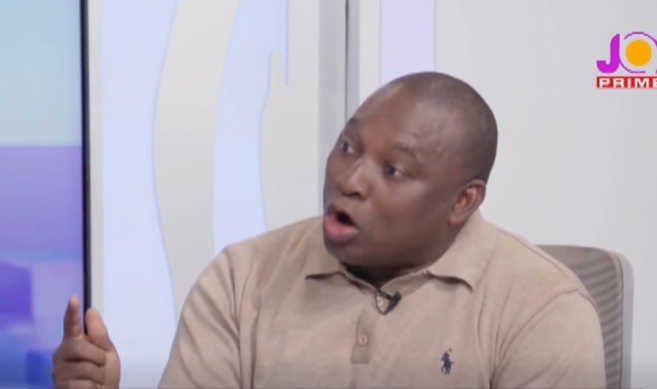
The former Attorney-General, Godfred Yeboah Dame, has come under intense criticism for his handling of the Sedina Tamakloe-Attionu case. Director of Communications for the United Party, Solomon Owusu, described Mr. Dame's performance as a 'total waste of our time,' highlighting the significant shortcomings in both the prosecution and trial process. The Court of Appeal's decision has raised questions about the competence of the Attorney-General and the judge who presided over the case. It is clear that the prosecution failed to present a watertight case, and the trial court's handling of the matter has been called into question. This raises concerns about the ability of the current system to ensure justice is served.
Implications for Future Cases
The Court of Appeal's decision in this case has significant implications for future cases and highlights the need for a review of the trial process. Lawyers and compliance officers should take note of the shortcomings exposed by this decision, which underscores the importance of thorough case preparation and presentation. The prosecution must ensure that cases are thoroughly prepared to withstand judicial scrutiny, and the judiciary must also take steps to address any weaknesses in the trial process. This decision serves as a wake-up call for all parties involved in the justice system to review their processes and procedures to ensure that justice is served.
Practical Implications
Lawyers and compliance officers should take note of the Court of Appeal's decision, which highlights significant shortcomings in both the prosecution and trial process. This may indicate a need to review and strengthen their own case preparation and presentation skills to ensure they can withstand judicial scrutiny.
Source
How does this affect your business?
Get an AI analysis of this article grounded in your jurisdictions, practice areas, and any policy documents you've uploaded to Wansom.
Wansom is AI and can make mistakes.