
Ghana Parliament: Urges Waste Management Collaboration to Boost Capacity
Summary
- Ghana's Parliament's Select Committee on Sanitation and Water Resources has called for stronger collaboration between government, investors, and private waste management companies.
- The collaboration aims to improve waste collection, disposal, and recycling across Ghana.
- Committee Chairman John Oti Bless stated that government and private investors must support major sanitation service providers to expand their capacity and deliver more effective services.
- Bless emphasized that stronger partnerships are essential due to the country's ongoing struggle with indiscriminate waste disposal.
- The committee's recommendations highlight a strategic push for enhanced public-private partnerships and potential policy shifts in waste management.
A Call for Unified Action in Waste Management
For legal and compliance teams, this parliamentary call signals potential shifts in Ghana's waste management policy, likely leading to new public-private partnership opportunities, increased regulatory scrutiny, or revised compliance obligations for companies in the sanitation sector.
Ghana's parliamentary body has issued a significant appeal for enhanced cooperation across various sectors to tackle the nation's persistent waste management challenges. The Select Committee on Sanitation and Water Resources, a key legislative oversight group, has specifically urged a more robust collaborative framework involving the government, private investors, and existing private waste management companies. This initiative aims to comprehensively improve critical aspects of waste handling, encompassing collection, disposal, and recycling processes throughout the country.
John Oti Bless, who chairs the influential committee, underscored the necessity of this integrated approach during an interview with JoyNews’ Stephen Mensah. He emphasized that both governmental bodies and private financial backers hold a crucial responsibility to provide substantial support to major service providers operating within the sanitation sector. The objective of this backing is to empower these entities to significantly expand their operational capacity and, consequently, deliver more effective and efficient services to the populace.
This parliamentary call for Ghana Parliament waste management collaboration signals a potential shift towards a more coordinated national strategy. The committee's recommendations highlight a recognition that the current fragmented efforts are insufficient to address the scale of the problem. By advocating for a unified front, the legislative body is pushing for a systemic overhaul that could redefine how waste is managed from generation to final disposition, with a strong focus on improving environmental outcomes and public health.
Addressing a Pressing Environmental Challenge
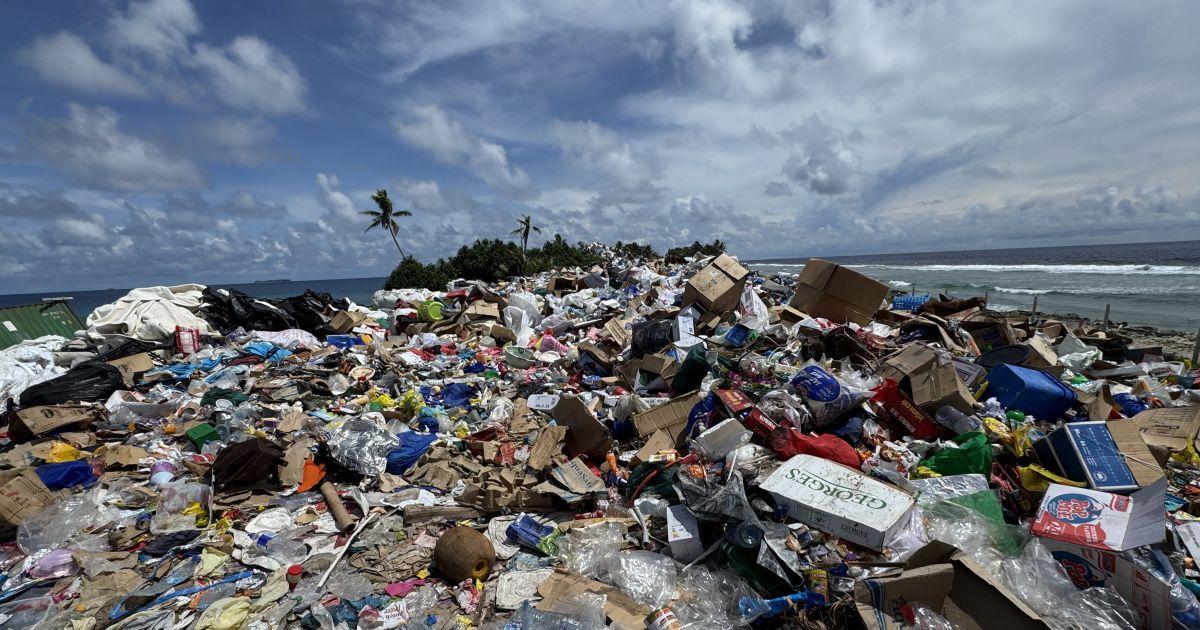
The impetus behind the committee's urgent call stems directly from Ghana's ongoing struggle with indiscriminate waste disposal, a pervasive issue that continues to blight communities and pose significant environmental and public health risks. Chairman John Oti Bless articulated that stronger partnerships are not merely desirable but are absolutely essential given the country's current predicament. This acknowledgment from a high-level parliamentary committee underscores the severity of the challenge and the perceived inadequacy of existing mechanisms to control the proliferation of waste.
The Ghana sanitation committee recommendations are thus positioned as a direct response to this critical environmental situation. By advocating for expanded capacity and more effective service delivery, the committee aims to create a more resilient and responsive waste management infrastructure. This proactive stance suggests a legislative intent to move beyond reactive measures, fostering a system where waste is managed systematically rather than haphazardly, thereby mitigating the long-term ecological damage caused by improper disposal.
Improving Ghana's environmental compliance waste standards is a core, albeit unstated, objective of this collaborative push. When collection, disposal, and recycling systems are strengthened through government and private sector synergy, the overall adherence to environmental regulations is expected to improve. This would not only enhance the aesthetic appeal of urban and rural areas but also contribute significantly to public health by reducing disease vectors and pollution associated with unmanaged refuse.
Paving the Way for New Partnerships and Policies
The committee's directive for government and private investor support for major sanitation service providers opens significant avenues for new public-private partnership (PPP) opportunities within Ghana's waste management sector. Such partnerships could attract much-needed capital investment and technological expertise, which are vital for scaling up operations and introducing innovative solutions in waste processing and resource recovery. This strategic alignment between public policy and private enterprise is crucial for developing sustainable models for waste management.
Furthermore, this parliamentary intervention could catalyze the development or revision of Ghana waste recycling policy. With an explicit mention of improving recycling alongside collection and disposal, there is a clear legislative signal for greater emphasis on circular economy principles. This could lead to new incentives for recycling initiatives, stricter regulations on waste segregation, and investments in recycling infrastructure, ultimately transforming waste into valuable resources and reducing landfill dependency.
For legal and compliance teams, this parliamentary call signals potential shifts in Ghana's waste management policy, likely leading to new public-private partnership opportunities, increased regulatory scrutiny, or revised compliance obligations for companies in the sanitation sector. Monitoring for upcoming legislative or policy developments will be crucial as the government and private entities respond to these recommendations, potentially reshaping the operational landscape for all stakeholders involved in Ghana waste management PPPs.
Practical Implications
This parliamentary call signals potential shifts in Ghana's waste management policy, likely leading to new public-private partnership opportunities, increased regulatory scrutiny, or revised compliance obligations for companies in the sanitation sector. Legal and compliance teams should monitor for upcoming legislative or policy developments.
Source
Source: Original reporting via JoyNews
How does this affect you?
Get an AI analysis of this article grounded in your jurisdictions, practice areas, and any policy documents you've uploaded to Wansom.
Finish Reading the Full Story and the Expert Analysis.
Get the latest legal & regulatory intelligence in Ghana
Wansom is AI and can make mistakes.