
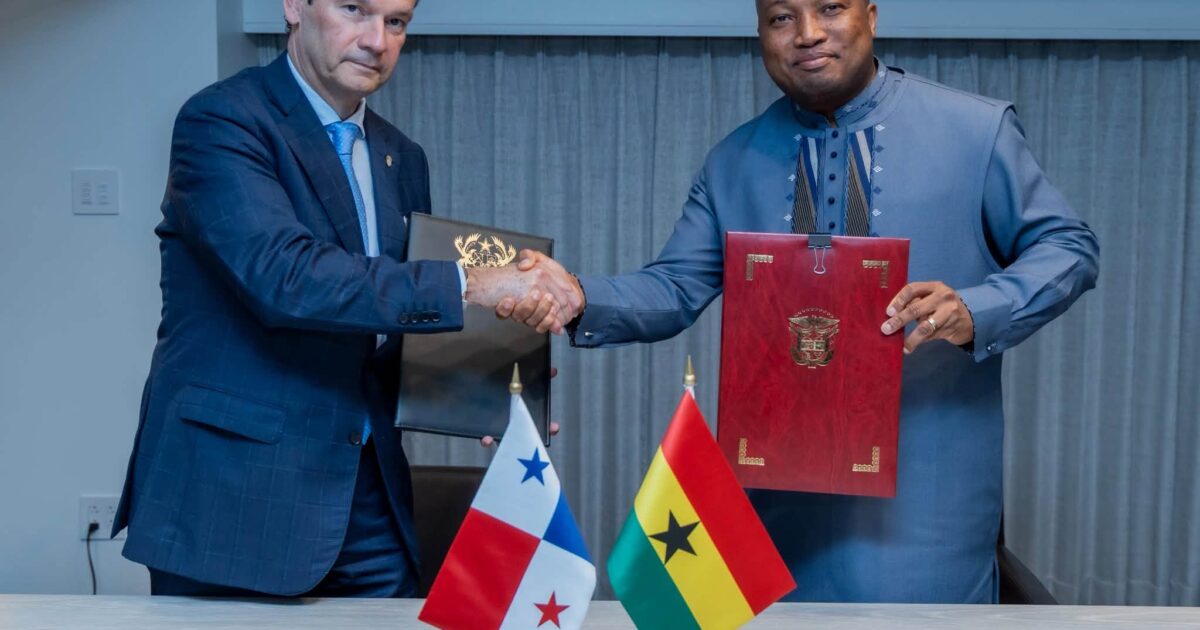
Ghana, Panama: Ghana Panama Bilateral Cooperation MoU Signed
Summary
- Ghana and Panama signed a Memorandum of Understanding to deepen bilateral political consultations and cooperation.
- The agreement was signed by Foreign Affairs Ministers Samuel Okudzeto Ablakwa and Javier Eduardo Martínez-Acha Vásquez on September 21, 2026, in New York.
- Key cooperation areas include maritime affairs, cocoa production, enhanced trade, and technical assistance in the extractive sector.
- Minister Ablakwa announced the MoU via Facebook and noted a lighthearted moment regarding a past World Cup match.
What Happened
For legal professionals and businesses operating in or considering ventures within Ghana and Panama, this initial understanding is a crucial indicator of forthcoming regulatory and operational changes.
Ghana and Panama have formally initiated a new phase of diplomatic engagement by signing a Memorandum of Understanding (MoU) aimed at fostering bilateral political consultations. This significant Ghana Panama bilateral cooperation MoU was executed on Monday, September 21, 2026, during the ongoing United Nations General Assembly session held in New York. The agreement was publicly announced by Ghana's Foreign Affairs Minister, Samuel Okudzeto Ablakwa, through a post on his Facebook account.
The Ghanaian minister confirmed that he co-signed the pivotal document alongside his Panamanian counterpart, Javier Eduardo Martínez-Acha Vásquez. This formal pact signifies a mutual commitment to deepen and structure the cooperative relationship between the two nations.
Scope of Cooperation
The newly established Ghana Panama bilateral cooperation MoU outlines several key areas for enhanced collaboration, extending beyond general political consultations. A primary focus of the agreement is maritime affairs, indicating a shared interest in ocean-related activities, potentially encompassing shipping, port management, or marine resource governance. Furthermore, the framework specifically targets cocoa production, suggesting initiatives to bolster this vital agricultural sector.
Beyond these specific industries, the agreement also seeks to promote enhanced trade between Ghana and Panama. This broader objective aims to facilitate economic exchange and open new avenues for commercial partnerships. Additionally, the Ghana Panama extractive sector MoU component provides for mutual technical assistance, indicating a commitment to sharing expertise and best practices within the mining and natural resources industries.
Diplomatic Context and Announcement
The signing ceremony, which formalized the Ghana Panama bilateral cooperation MoU, took place on the sidelines of the United Nations General Assembly in New York. This strategic timing underscores the importance both nations place on leveraging global diplomatic platforms for bilateral advancements. The agreement, which can be seen as a Ghana Panama UN General Assembly agreement due to its context, was subsequently communicated to the public by Samuel Okudzeto Ablakwa, Ghana's Foreign Affairs Minister, via a Facebook update.
In a more informal moment during the diplomatic proceedings, Samuel Okudzeto Ablakwa Panama also recounted a lighthearted exchange with his Panamanian counterpart. He noted that the meeting provided an opportunity for the two ministers to reconcile following Ghana’s Black Stars’ victory over Panama in the recently concluded World Cup, adding a personal and sporting dimension to the official engagement.
Why It Matters
The framework established by this Ghana Panama bilateral cooperation MoU signals a clear intent for deeper engagement, which could pave the way for more formal agreements and treaties in the future. For legal professionals and businesses operating in or considering ventures within Ghana and Panama, this initial understanding is a crucial indicator of forthcoming regulatory and operational changes. The specific mention of a Ghana Panama maritime agreement, alongside cooperation in cocoa production, trade, and the extractive sector, suggests that these industries are primed for increased cross-border activity.
Advisors to clients involved in these sectors should closely monitor any subsequent developments stemming from this MoU. Potential impacts could include new investment opportunities, altered compliance obligations, or shifts in the regulatory landscape governing international trade and resource extraction between the two countries. The agreement lays the groundwork for a structured approach to collaboration, implying that future policies and initiatives will likely be developed to support these stated objectives.
Practical Implications
This Memorandum of Understanding signals the intent of Ghana and Panama to deepen cooperation in maritime affairs, trade, and the extractive sector. Lawyers advising clients in these industries should monitor for subsequent formal agreements, treaties, or regulatory changes that may arise from this framework, potentially impacting cross-border operations, investment, or compliance obligations.
Source
How does this affect you?
Get an AI analysis of this article grounded in your jurisdictions, practice areas, and any policy documents you've uploaded to Wansom.
Finish Reading the Full Story and the Expert Analysis.
Get the latest legal & regulatory intelligence in Ghana
Wansom is AI and can make mistakes.