
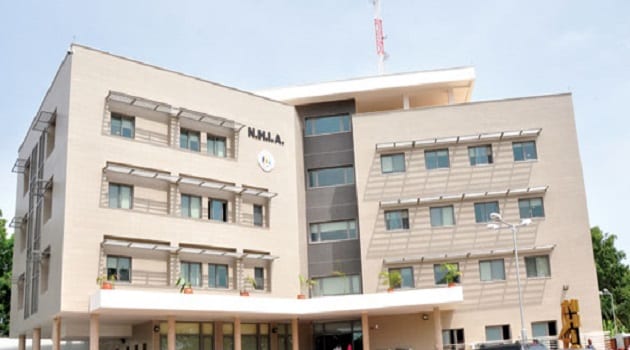
Ghana NHIA: Digital Claims Verification via One-Time Attendance Code (OTAC) Launched
Summary
- The NHIA has begun a phased implementation of revised service tariffs for credentialed healthcare providers, starting with a 50% increase in current NHIS tariffs.
- The Authority estimates that approximately GH¢400 million in annual losses could be attributed to ineligible claims, which may rise to nearly GH¢1 billion annually after the full tariff increase.
- To address claims leakages, the NHIA is introducing the One-Time Attendance Code (OTAC), a digital verification system designed to confirm patient attendance and service receipt for submitted claims.
NHIA's Tariff Increase: A Step Towards Sustainability
The Authority says the phased implementation will allow it to strengthen financial and accountability controls before the full tariff adjustment takes effect.
The National Health Insurance Authority (NHIA) has embarked on a phased implementation of revised service tariffs for credentialed healthcare providers, with the first phase commencing in August 2026. This move is aimed at improving provider reimbursement and strengthening healthcare delivery within the National Health Insurance Scheme. The NHIA estimates that approximately GH¢400 million in annual losses could be attributed to ineligible claims, which may rise to nearly GH¢1 billion annually after the full tariff increase. To mitigate these losses, the Authority has introduced a digital verification system, known as the One-Time Attendance Code (OTAC), designed to confirm patient attendance and service receipt for submitted claims.
The Role of Digital Verification in Claims Management
The NHIA's introduction of the OTAC system is part of its efforts to address claims leakages and ensure transparency within the National Health Insurance Scheme. Currently being piloted in the Ahafo and Western North Regions, the OTAC system will be rolled out nationwide once it has been proven effective. This digital verification tool is expected to minimize fraud and safeguard NHIS funds by confirming patient attendance and service receipt for submitted claims. By doing so, the Authority aims to improve claims quality and ensure prompt payment of validated claims.
Legal and Regulatory Context
The phased implementation of revised service tariffs is a result of a nationwide stakeholder review conducted by the NHIA. The move follows a comprehensive analysis of the National Health Insurance Scheme's financial and accountability controls, with the Authority seeking to strengthen these mechanisms before the full tariff adjustment takes effect. The introduction of digital verification systems like OTAC is also in line with regulatory requirements aimed at ensuring the long-term sustainability of the National Health Insurance Scheme.
Practical Implications
Lawyers and compliance officers should watch for the phased implementation of revised NHIS tariffs in Ghana, which may impact provider reimbursement and claims quality. They should also be aware of the potential for increased losses due to ineligible claims and the introduction of digital verification systems like OTAC.
Source
How does this affect you?
Get an AI analysis of this article grounded in your jurisdictions, practice areas, and any policy documents you've uploaded to Wansom.
Wansom is AI and can make mistakes.