
Ghana NACOC Port Exclusion: MP Blames for Drug Trafficking Surge
Summary
- French customs seized 3.9 tonnes of suspected cocaine, valued at €225 million, from a Ghana-origin container at the Port of Dunkirk on September 10.
- Akwatia MP Bernard Bediako Baidoo attributes rising cocaine trafficking from Ghana to the Narcotics Control Commission's (NACOC) exclusion from routine port checks, stemming from a 2018 directive.
- Baidoo argues NACOC's specialized expertise is crucial for port security, despite other agencies' inspection roles.
- President John Dramani Mahama has ordered an inter-agency task force to develop a two-week roadmap to combat drug trafficking through Ghana's borders.
- The incident and subsequent government response signal an impending review of Ghana's anti-narcotics policy and port security measures.
Recent Cocaine Seizure Prompts Scrutiny
The Akwatia MP specifically linked the current state of Ghana's ports, which he described as porous, to a directive issued in 2018.
A significant cocaine seizure by French customs authorities has brought renewed attention to drug trafficking routes originating from Ghana, particularly concerning the role of the Narcotics Control Commission (NACOC) in port security. On September 10, French officials at the Port of Dunkirk intercepted a consignment from Ghana containing 3.9 tonnes of suspected cocaine. The illicit drugs, reportedly valued at approximately €225 million, were discovered concealed within a container designated for plastic waste.
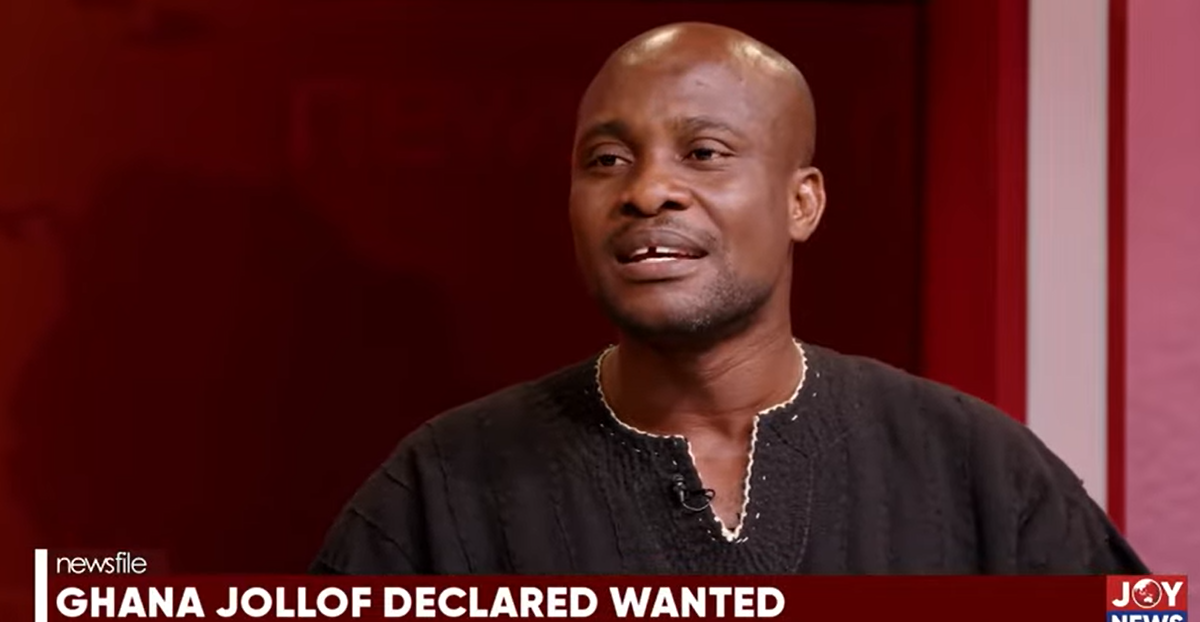
Following this substantial interdiction, Bernard Bediako Baidoo, the Member of Parliament for Akwatia and an NDC legislator, publicly attributed the increasing frequency of cocaine consignments shipped from Ghana to the exclusion of NACOC from routine checks at the nation's ports. While NACOC indicated that suspects linked to the seizure had been under surveillance for one to two years, Mr. Baidoo argued on September 19, 2026, that an intelligence-led approach alone fails to address a more fundamental vulnerability within Ghana's port systems. This incident underscores the growing international scrutiny on Ghana's maritime and cargo networks regarding the movement of large quantities of narcotics.
NACOC's Exclusion and Port Vulnerabilities
The Akwatia MP specifically linked the current state of Ghana's ports, which he described as porous, to a directive issued in 2018. This directive, which followed a meeting convened by Dr. Mahamudu Bawumia, the former Vice President, reportedly led to a reduction in inspection levels and the subsequent exclusion of NACOC from routine port inspections. Mr. Baidoo contended that the specialized expertise of the Narcotics Control Commission Ghana is indispensable for effective drug control, arguing that its absence from regular checks creates significant loopholes.
He further elaborated that while other agencies, such as the Ghana Revenue Authority (GRA), perform scanning and inspection functions, their expertise differs from that of NACOC. Mr. Baidoo emphasized that if NACOC were consistently integrated into routine port operations, the consignment in question would likely not have been permitted to pass through. This highlights a critical debate regarding inter-agency collaboration and the optimal strategy for Ghana port security drug control.
Government Response and Policy Review
In response to the heightened concerns surrounding drug trafficking through Ghana's borders, President John Dramani Mahama has taken decisive action. On Thursday, September 17, the President chaired an urgent meeting with security chiefs, culminating in an order for the immediate formation of an inter-agency task force. This Ghana inter-agency drug task force has been mandated to develop a comprehensive roadmap aimed at preventing illicit drug trafficking.
This task force has been given a strict deadline of two weeks to submit its detailed plan. The President's directive signals a significant Ghana anti-narcotics policy review, indicating a potential shift towards more integrated and robust enforcement measures at the country's entry and exit points. The developments underscore the government's commitment to addressing the systemic vulnerabilities highlighted by the recent cocaine seizure Port of Dunkirk Ghana and the ongoing challenges of Ghana NACOC port exclusion drug trafficking.
Practical Implications
This development signals increased scrutiny and potential policy changes regarding cargo security and drug control at Ghanaian ports. Legal and compliance teams advising clients involved in international trade with Ghana should review supply chain risks and prepare for new regulations or heightened enforcement actions related to illicit trafficking.
Source
How does this affect you?
Get an AI analysis of this article grounded in your jurisdictions, practice areas, and any policy documents you've uploaded to Wansom.
Finish Reading the Full Story and the Expert Analysis.
Get the latest legal & regulatory intelligence in Ghana
Wansom is AI and can make mistakes.