
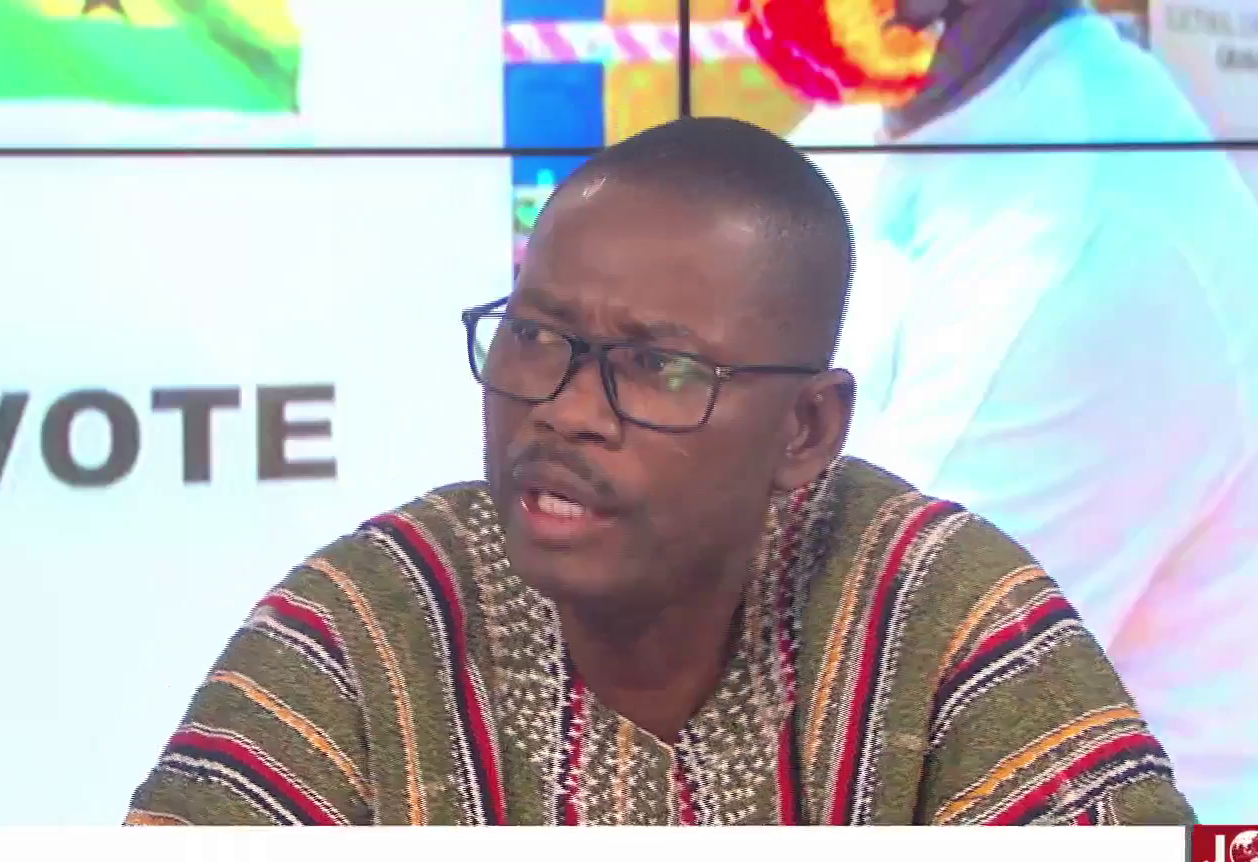
Ghana Parliament: Boost NACOC Personnel to Combat Drug Trafficking
Summary
- Peter Lanchene Toobu, Vice Chairman of Parliament’s Defence and Interior Committee, advocates for a significant increase in NACOC personnel.
- This staffing boost is deemed essential to effectively counter the growing sophistication of drug trafficking networks in Ghana.
- The recommendation highlights the need to strengthen Ghana's overall anti-narcotics capacity.
Call for Enhanced Anti-Narcotics Capacity
For legal professionals advising clients in sectors vulnerable to illicit trade, such as shipping and logistics, this signals a potential period of heightened regulatory scrutiny and the introduction of new compliance requirements.
Peter Lanchene Toobu, who holds the influential position of Vice Chairman of Parliament’s Defence and Interior Committee, has publicly stated Ghana's urgent requirement to significantly expand the human resources available to its Narcotics Control Commission (NACOC). This critical recommendation underscores the necessity for a substantial increase in NACOC personnel to effectively combat the increasingly complex and sophisticated operations of drug trafficking networks. His remarks highlight a pivotal area for strengthening Ghana's anti-narcotics capacity.
The call from such a senior parliamentary figure suggests a recognition at high levels of government that current staffing levels may be insufficient to meet the demands of modern drug enforcement. Toobu's emphasis on boosting the Narcotics Control Commission Ghana staffing is presented as a foundational step for the nation to maintain its vigilance and effectiveness against illicit drug trade, ensuring that the country's enforcement capabilities are commensurate with the scale of the threat.
Responding to Evolving Drug Trafficking Threats
The primary driver behind the push for more NACOC personnel is the escalating sophistication observed in drug trafficking networks. These criminal organizations are continually innovating their methods, employing advanced logistics, communication, and concealment techniques that pose significant NACOC drug enforcement challenges. Ghana's ability to effectively counter these evolving threats hinges on having a sufficiently large and well-resourced anti-narcotics agency.
Without a substantial increase in its human capital, the Narcotics Control Commission faces an uphill battle in disrupting these highly organized illicit operations. The current Ghana anti-narcotics capacity is being stretched by the dynamic nature of international drug routes and the ingenuity of traffickers, making the proposed expansion of personnel a strategic necessity to prevent the country from being exploited as a major transit point.
Strategic Imperatives for Ghana's Drug Policy
Peter Lanchene Toobu's statement carries significant implications for the future direction of Ghana's drug policy. His position as Vice Chairman of Parliament’s Defence and Interior Committee lends authority to the argument that a robust increase in NACOC personnel is not merely an operational adjustment but a strategic imperative for national security. This perspective suggests that Ghana's anti-narcotics capacity must be proactively scaled up to address current and emerging threats.
For legal professionals advising clients in sectors vulnerable to illicit trade, such as shipping and logistics, this signals a potential period of heightened regulatory scrutiny and the introduction of new compliance requirements. As the Narcotics Control Commission Ghana staffing potentially expands, there could be legislative or operational changes aimed at strengthening enforcement. Lawyers should therefore monitor these developments closely, as an enhanced NACOC could lead to increased pressure on industries to implement stricter anti-trafficking measures, reflecting a broader commitment to a more assertive Ghana drug policy.
Practical Implications
This article signals potential future legislative or operational changes to strengthen Ghana's anti-narcotics enforcement. Lawyers advising clients in sectors susceptible to drug trafficking, such as shipping and logistics, should monitor for increased regulatory scrutiny or new compliance requirements as NACOC's capacity potentially expands.
Source
How does this affect you?
Get an AI analysis of this article grounded in your jurisdictions, practice areas, and any policy documents you've uploaded to Wansom.
Finish Reading the Full Story and the Expert Analysis.
Get the latest legal & regulatory intelligence in Ghana
Wansom is AI and can make mistakes.