
Ghana NACOC: Deputy Director Denies Leadership Compromise Allegations
Summary
- Alexander Twum-Barimah, Deputy Director-General of Ghana's Narcotics Control Commission (NACOC), strongly denied allegations of leadership compromise in facilitating drug movement.
- He refuted specific claims by Rev John Ntim Fordjour, including an aircraft inspection and the alleged departure of 73 parcels of cocaine, clarifying they were intercepted domestically.
- Twum-Barimah emphasized NACOC's commitment to protecting Ghana's image and ensuring individuals involved in drug cases undergo proper judicial and investigative processes.
- He urged public commentators to provide accurate information and criticized personal attacks on officials amidst national drug trafficking enforcement efforts.
Leadership Integrity Under Scrutiny
The Deputy Director-General firmly asserted that the Narcotics Control Commission's leadership would never be compromised, underscoring the institution's unwavering commitment to its mandate.
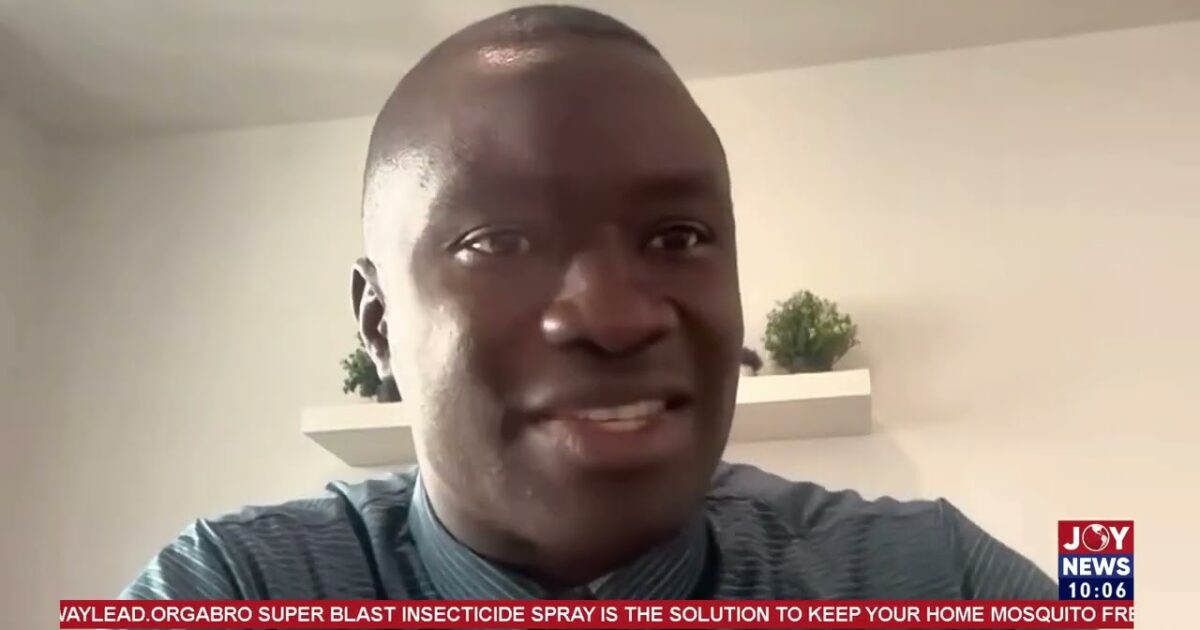
The Deputy Director-General of Ghana's Narcotics Control Commission (NACOC), Alexander Twum-Barimah, has forcefully rejected claims suggesting that the organization's leadership could be compromised in the illicit movement of narcotics out of the country. Addressing the public on JoyNews’ Newsfile on Saturday, September 26, Mr. Twum-Barimah underscored NACOC's steadfast commitment to safeguarding Ghana's international reputation and maintaining the Narcotics Control Commission Ghana integrity in its operations.
He emphasized that under no circumstances would the leadership of the anti-narcotics body allow itself to be swayed or corrupted in the ongoing battle against drug trafficking. These statements directly counter the Ghana NACOC leadership compromise allegations that have surfaced, asserting the institution's resolve to fulfill its mandate without impediment or influence. The Deputy Director-General's remarks come amidst heightened public scrutiny regarding the effectiveness and transparency of Ghana's drug enforcement agencies.
Rebutting Specific Allegations
Mr. Twum-Barimah's strong denial was a direct response to various accusations, notably those made by Rev John Ntim Fordjour, the Ranking Member on Parliament’s Defence and Interior Committee. Fordjour had raised concerns about the handling of narcotics cases, including a specific claim regarding an aircraft. However, Mr. Twum-Barimah provided a detailed rebuttal, stating that he was personally present at the airport on March 16, 2025, alongside other security agencies, when the aircraft in question underwent an examination that yielded negative results. This predated Fordjour's allegation on April 7, 2025, leading Twum-Barimah to question the basis of the legislator's claims and accuse him of repeatedly presenting false information.
Furthermore, the NACOC Deputy Director-General vehemently denied personal allegations of collusion to facilitate drug movement, challenging his accusers to provide evidence. He also corrected a significant claim regarding 73 parcels of cocaine, clarifying that these parcels were intercepted within Ghana, contrary to the assertion that they had successfully departed for the Netherlands. This clarification is crucial for understanding the true scope of Ghana drug trafficking enforcement efforts and successes.
Call for Accuracy and Accountability
In his address, Mr. Twum-Barimah urged individuals commenting on ongoing narcotics investigations to ensure the accuracy of their information, cautioning against making unsubstantiated claims. He affirmed that NACOC, in collaboration with other state agencies, is actively pursuing these cases, with individuals implicated undergoing established judicial and investigative processes. This highlights the commitment to Ghana anti-narcotics accountability and due process.
He also criticized the practice of targeting individuals within responsible agencies over broader national drug-related issues, arguing that the existence of a major case should not automatically lead to personal attacks on officials. Mr. Twum-Barimah reiterated NACOC's dedication to working alongside other governmental bodies to address the challenges and uphold the integrity of the nation's narcotics-control system, ensuring that the focus remains on effective enforcement and justice.
Why It Matters
The public exchange between a senior NACOC official and a prominent legislator underscores the intense scrutiny faced by Ghana's anti-narcotics efforts. Allegations of leadership compromise, even if denied, can erode public trust and potentially impact international perceptions of the country's commitment to combating drug trafficking. The insistence on factual accuracy and due process by NACOC leadership is vital for maintaining credibility and ensuring that enforcement actions are seen as legitimate and effective.
These discussions are critical for reinforcing the operational transparency of Ghana's anti-narcotics enforcement. The ongoing commitment to judicial and investigative processes, as highlighted by Mr. Twum-Barimah, is essential for demonstrating accountability and strengthening the nation's stance against illicit drug activities, ultimately protecting Ghana's image on the global stage.
Practical Implications
This article highlights the ongoing public scrutiny regarding the integrity and operational transparency of Ghana's anti-narcotics enforcement. Lawyers and compliance officers should monitor developments concerning NACOC's leadership accountability, as these discussions can impact risk assessments for clients involved in international trade, logistics, or those facing drug-related charges in Ghana.
Source
How does this affect you?
Get an AI analysis of this article grounded in your jurisdictions, practice areas, and any policy documents you've uploaded to Wansom.
Finish Reading the Full Story and the Expert Analysis.
Get the latest legal & regulatory intelligence in Ghana
Wansom is AI and can make mistakes.