
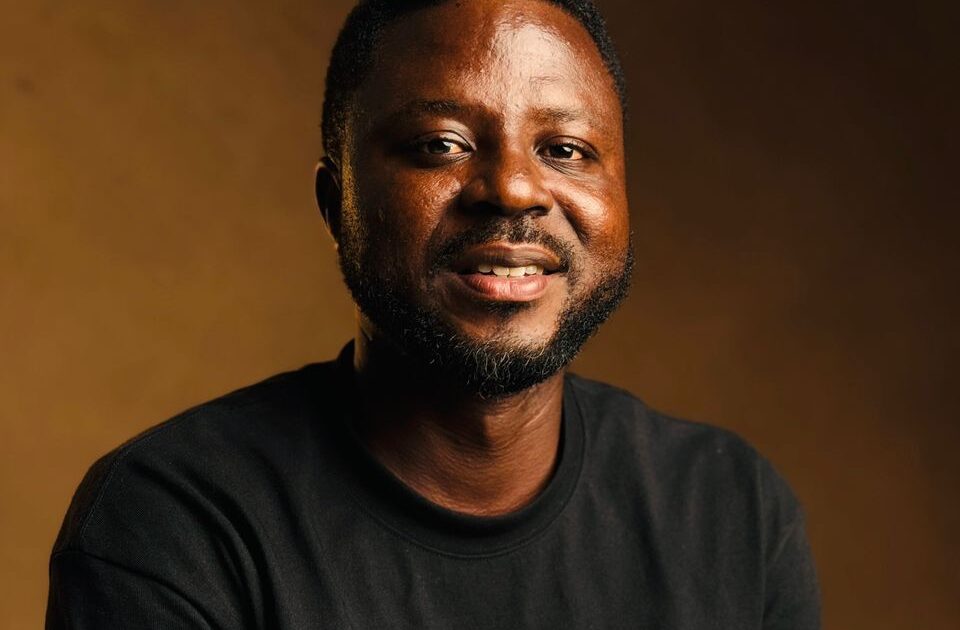
Bright Dwomoh: Ghana Music Industry Piracy Crisis Costs GH₵10M Annually
Summary
- Ghana's music industry, valued at $150 million, faces a piracy crisis causing over GH₵10 million in annual losses.
- Bright Dwomoh, CEO of Ghana Songs, identifies piracy and poor music discovery as major obstacles to artist monetization.
- Streaming platforms offer low payouts, estimated at GH₵0.05 per stream, while GHAMRO faces criticism for slow and opaque royalty distributions.
- Ghana Songs aims to combat piracy by directing listeners to legitimate streaming platforms and official content from over 300 artists.
- GHAMRO distributed over GH₵1.4 million in digital royalties in July 2026 and announced measures to improve transparency.
The Pervasive Challenge of Piracy in Ghana's Music Sector
If the first link a fan sees after hearing about a new release is a real Spotify or Apple Music link instead of a download blog, that’s one less stream the artist never gets credited for.
Ghana's vibrant music industry, currently valued at an estimated $150 million and experiencing an annual growth rate of approximately 10 percent, faces significant hurdles in translating its widespread popularity into sustainable financial returns for artists. A primary concern highlighted by Bright Dwomoh, CEO of Ghana Songs, is the pervasive issue of piracy, coupled with systemic weaknesses in music discovery mechanisms. These factors collectively impede artists' ability to fully capitalize on the success of their creative works, underscoring a critical Ghana music industry piracy crisis Bright Dwomoh believes requires urgent attention.
The financial ramifications of this challenge are substantial. Industry estimates suggest that Ghana incurs losses exceeding GH₵10 million annually due to the unlicensed distribution of musical content. While the advent of streaming platforms has undeniably broadened opportunities for Ghanaian musicians to reach wider audiences, these benefits are often undermined by low streaming revenues, with payouts frequently estimated at a mere GH₵0.05 per stream. This economic reality, combined with ongoing concerns regarding the transparency and efficiency of royalty collection, creates a complex environment where artist monetization challenges are deeply entrenched.
Addressing Piracy Through Improved Discovery
Bright Dwomoh argues that the root of Ghana music copyright infringement often lies not in malicious intent, but in the way listeners initially encounter new music. He explains that fans frequently stumble upon unofficial download sites before they can access an artist's legitimate streaming platforms. This initial point of contact inadvertently steers traffic away from official channels, depriving artists of rightful plays, royalties, and valuable audience data. Dwomoh posits that “Piracy doesn’t usually start with someone trying to steal from an artist — it starts with someone just trying to find the song.”
In response to this challenge, platforms like Ghana Songs are actively working to redirect listeners toward authorized sources. Ghanasong.org, for instance, showcases new releases from over 300 Ghanaian and Pan-African artists. Crucially, it embeds their official YouTube videos and provides direct links to recognized streaming platforms, and also offers free MP3 downloads. Dwomoh emphasizes that establishing a direct pathway from music discovery to official streaming services is vital for ensuring artists receive proper credit and compensation for their work, stating, "If the first link a fan sees after hearing about a new release is a real Spotify or Apple Music link instead of a download blog, that’s one less stream the artist never gets credited for."
Royalty Collection and Monetization Hurdles
Beyond the immediate impact of piracy and discovery issues, the Ghana music industry grapples with significant GHAMRO royalty collection issues Ghana. The Ghana Music Rights Organisation (GHAMRO) has faced considerable criticism regarding the speed and transparency of its royalty distributions to members. This lack of clarity and efficiency further exacerbates the Ghana music artist monetization challenges, making it difficult for creators to rely on consistent income from their intellectual property.
Despite these criticisms, GHAMRO announced in July 2026 that it had distributed more than GH₵1.4 million in digital royalties. Concurrently, the organization indicated it was implementing new measures designed to enhance transparency for its members. However, Bright Dwomoh acknowledges that while improving music discovery is a crucial step, it alone cannot fully resolve the broader systemic issues impacting the industry, which include persistent concerns over royalty collection, enforcement of intellectual property rights, and the inherently low revenues generated from streaming.
The Path Forward for Ghana Entertainment Law and Artists
The confluence of widespread piracy, low streaming payouts, and ongoing transparency issues within royalty collection bodies presents a formidable challenge to the sustainable growth of Ghana's music sector. For artists, the struggle to convert their popularity into a stable livelihood remains a central concern, highlighting the urgent need for more robust frameworks in Ghana entertainment law intellectual property. The current environment necessitates a multi-faceted approach that not only combats unauthorized distribution but also ensures fair and transparent compensation for creative works.
The efforts by initiatives like Ghana Songs to streamline legitimate music discovery represent a vital component of this solution, aiming to recapture revenue lost to piracy and provide artists with accurate data and royalties. However, the broader issues surrounding GHAMRO royalty collection issues Ghana and the enforcement of copyright underscore the need for continued advocacy and reform. Ultimately, ensuring artists can effectively monetize their intellectual property is paramount for the long-term health and continued expansion of Ghana's burgeoning music industry.
Practical Implications
Legal professionals advising Ghanaian artists or involved in entertainment law should note the ongoing intellectual property enforcement challenges and transparency issues with royalty collection bodies like GHAMRO. This necessitates robust strategies for copyright protection and monetization, and potentially advocating for stronger regulatory oversight in the digital music space.
Source
How does this affect you?
Get an AI analysis of this article grounded in your jurisdictions, practice areas, and any policy documents you've uploaded to Wansom.
Finish Reading the Full Story and the Expert Analysis.
Wansom is AI and can make mistakes.