
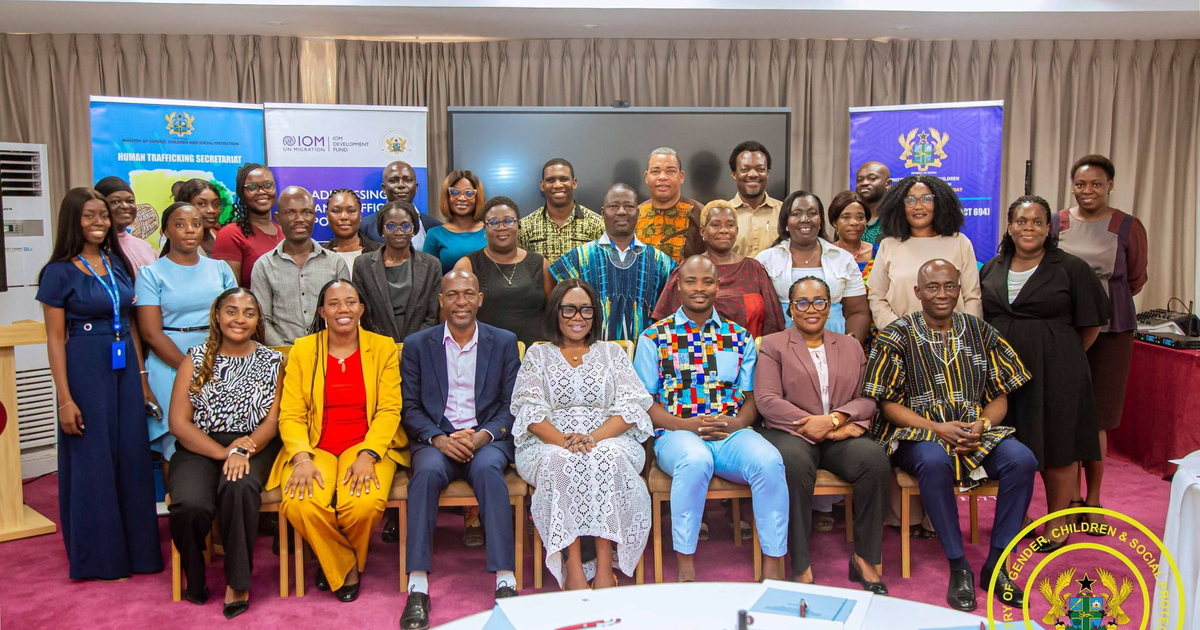
Ghana MoGCSP: Boosts Human Trafficking Prevention in Tourism, Sports
Summary
- Ghana's Ministry of Gender, Children and Social Protection (MoGCSP) and IOM held a two-day session to combat human trafficking in tourism and sports.
- The event, from September 30 to October 1, focused on vulnerabilities in travel, recruitment, and sporting activities.
- Minister Dr. Agnes Naa Momo Lartey called for increased public awareness, ethical recruitment, and effective referral mechanisms.
- Discussions covered links between trafficking, migration, tourism, child exploitation, and the National Referral Mechanism.
- Stakeholders conducted risk mapping exercises to identify vulnerabilities and strengthen prevention and response efforts across sectors.
Capacity Building Initiative Launched
Minister Lartey’s address called for heightened public awareness, the implementation of robust ethical recruitment practices, and the establishment of efficient referral mechanisms.
The Ministry of Gender, Children and Social Protection (MoGCSP), in collaboration with the International Organization for Migration (IOM), recently convened a two-day Capacity Enhancement and Awareness Raising Session. This significant event brought together key stakeholders from Ghana's tourism, travel, and security sectors with the aim of bolstering collective efforts to identify, prevent, and effectively respond to human trafficking.
The session, which took place from Wednesday, September 30, to Thursday, October 1, was organized through the MoGCSP's Human Trafficking Secretariat. It specifically addressed the vulnerabilities inherent in travel, recruitment processes, and both tourism and sporting activities, focusing on strategies to prevent exploitation and enhance the protection of victims. A public announcement regarding the initiative was subsequently shared via Facebook on Friday, October 9, highlighting the ongoing commitment to combat this pervasive issue.
Addressing Systemic Vulnerabilities
A core focus of the discussions was the concerning manner in which traffickers exploit legitimate travel and sporting opportunities to facilitate the movement and abuse of vulnerable individuals. Dr. Agnes Naa Momo Lartey, the Minister for Gender, Children and Social Protection, delivered a keynote statement through the Ministry’s Chief Director, Dr. Marian W. A. Kpakpah, emphasizing that human trafficking transcends a mere criminal justice concern; it represents a profound assault on human dignity, freedom, and fundamental human rights. This perspective underscores the necessity for coordinated, cross-sectoral action to tackle the problem comprehensively.
Minister Lartey’s address called for heightened public awareness, the implementation of robust ethical recruitment practices, and the establishment of efficient referral mechanisms. These measures are crucial for accurately identifying individuals at risk and ensuring they receive appropriate protection and support. Furthermore, she stressed the importance of transparent and responsible recruitment processes for employment, travel, and sporting opportunities, advocating for the provision of accurate information to individuals regarding terms, conditions, and available opportunities.
Strengthening National Response and Prevention
The session saw participation from a diverse array of institutions, including representatives from the Ministry of Tourism, Culture and Creative Arts, the Ghana Tourism Authority, the Ghana Tourism Federation, and various travel and tour agencies. Discussions delved into the intricate links between human trafficking, migration, tourism, and child exploitation, alongside critical topics such as victim identification and protection, the National Referral Mechanism, ethical recruitment, and specific issues related to human trafficking in sports, safeguarding, and child protection.
Participants actively engaged in sector-specific risk mapping exercises tailored for the tourism, sports, travel, and recruitment industries. These exercises were designed to pinpoint specific vulnerabilities within these sectors and to clarify the roles of different stakeholders in enhancing prevention, protection, referral systems, and overall response strategies. The collective effort aims to build a stronger, more coordinated framework for Ghana human trafficking tourism sports prevention, ensuring that all relevant bodies are equipped to address these complex challenges effectively.
Practical Implications
Lawyers advising clients in Ghana's tourism, travel, and sports sectors should review their clients' recruitment, safeguarding, and supply chain practices for human trafficking risks. Compliance officers must ensure robust ethical recruitment policies and establish clear victim identification and referral mechanisms, as government and international bodies are increasing scrutiny and capacity building in these areas.
Source
How does this affect you?
Get an AI analysis of this article grounded in your jurisdictions, practice areas, and any policy documents you've uploaded to Wansom.
Finish Reading the Full Story and the Expert Analysis.
Get the latest legal & regulatory intelligence in Ghana
Wansom is AI and can make mistakes.