
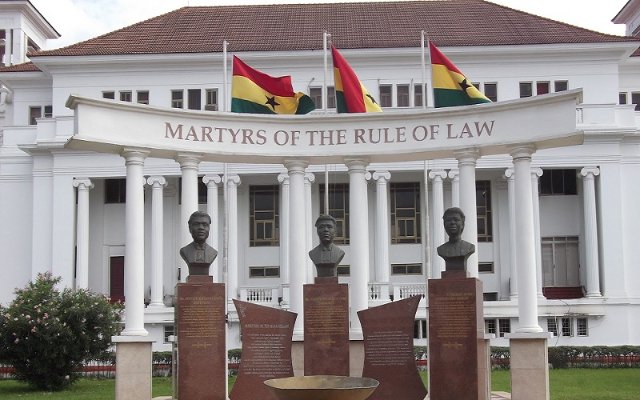
Ghana High Court: No Selective Justice for Politicians
Summary
- Miracles Aboagye raises concerns over selective justice in Ghana's judicial system
- High-profile cases are being handled differently, sparking public debate about judiciary-executive relationship
- Aboagye argues that the justice system should apply same standards to all cases without favoring certain individuals or groups
Selective Justice Concerns in Ghana's Judicial System
Ghana's judicial system has come under scrutiny over allegations of selective justice, with some cases taking years to resolve while others receive swift attention. This issue has sparked a public debate about the relationship between the judiciary and the executive, with concerns that the judiciary is becoming too close to the government. Miracles Aboagye, an aspiring National Communications Director for the New Patriotic Party (NPP), has raised these concerns, referencing high-profile cases such as MASLOC's Sedinam Tamakloe, whose conviction was recently overturned by the Court of Appeal, and Bernard Antwi Boasiako, also known as Chairman Wontumi, who was the Ashanti Regional NPP Chairman. Aboagye argues that the justice system should apply the same standards to all cases before the courts, without favoring certain individuals or groups.
Legal Context: The Judiciary's Relationship with the Executive
The relationship between the judiciary and the executive is a critical aspect of Ghana's governance structure. The judiciary is supposed to be independent and impartial, but concerns have been raised about its closeness to the government. This has led to perceptions that the judiciary is making the executive too comfortable. Aboagye's comments come amid ongoing discussions about the need for the judiciary to remain separate from politics. He believes that the judiciary must maintain its independence and not be swayed by political influence. The Judicial Secretary's response to his concerns provided some clarification, but Aboagye remains adamant that the judiciary must remain independent.
Why It Matters: Implications for Lawyers and Compliance Officers
The growing public debate over the relationship between the judiciary and the executive in Ghana has significant implications for lawyers and compliance officers. As the situation unfolds, it is essential for these professionals to be aware of the potential implications for their clients' cases. The selective justice concerns raised by Aboagye highlight the need for lawyers and compliance officers to advise their clients on how to navigate the complex judicial system. By staying informed about these developments, professionals can better serve their clients and ensure that they receive fair treatment within the justice system.
Practical Implications
Lawyers and compliance officers should be aware of the growing public debate over the relationship between the judiciary and the executive in Ghana, which may indicate a need to advise clients on potential implications for their cases.
Source
How does this affect your business?
Get an AI analysis of this article grounded in your jurisdictions, practice areas, and any policy documents you've uploaded to Wansom.
Wansom is AI and can make mistakes.