
Ghana High Court: ISSER Warns of Infrastructure Spending Shortfall
Summary
- Ghana's infrastructure spending fell short of target by nearly 40% in the first half of 2026.
- Tight expenditure controls have delayed implementation of projects under the government's 'Big Push' programme.
- Planned infrastructure investments have yet to generate the anticipated economic impact, with many projects remaining at preparatory stages.
- ISSER warns that prolonged expenditure restraint could weaken Ghana's economic transformation agenda.
Why Infrastructure Spending Matters
Capital expenditures are critical for growth, sustainability and the achievement of development targets.
Ghana's economic growth is heavily reliant on its ability to invest in infrastructure development. However, recent data suggests that the country's capital expenditure has fallen short of target, with actual spending nearly 40% below programmed levels in the first half of 2026. This shortfall has significant implications for Ghana's long-term development goals, as infrastructure investments are critical drivers of growth, sustainability, and job creation. According to ISSER's review of the 2026 Mid-Year Budget Statement, policymakers must strike a balance between fiscal consolidation targets and growth-enhancing investments. Failure to do so could undermine Ghana's economic transformation agenda and limit its ability to attract private capital and promote economic diversification.
The Impact of Tight Expenditure Controls
Tight expenditure controls have been cited as a major contributor to the shortfall in infrastructure spending. ISSER attributed the delays in implementing projects under the government's 'Big Push' programme to these controls, which have resulted in many projects remaining at preparatory stages and contributing little to growth. The construction sector has also felt the impact, with growth of just 1.3% in the first quarter of 2026. This is despite expectations that major public infrastructure works would stimulate activity. As a result, planned infrastructure investments have yet to generate the anticipated economic impact.
A Policy Trade-Off
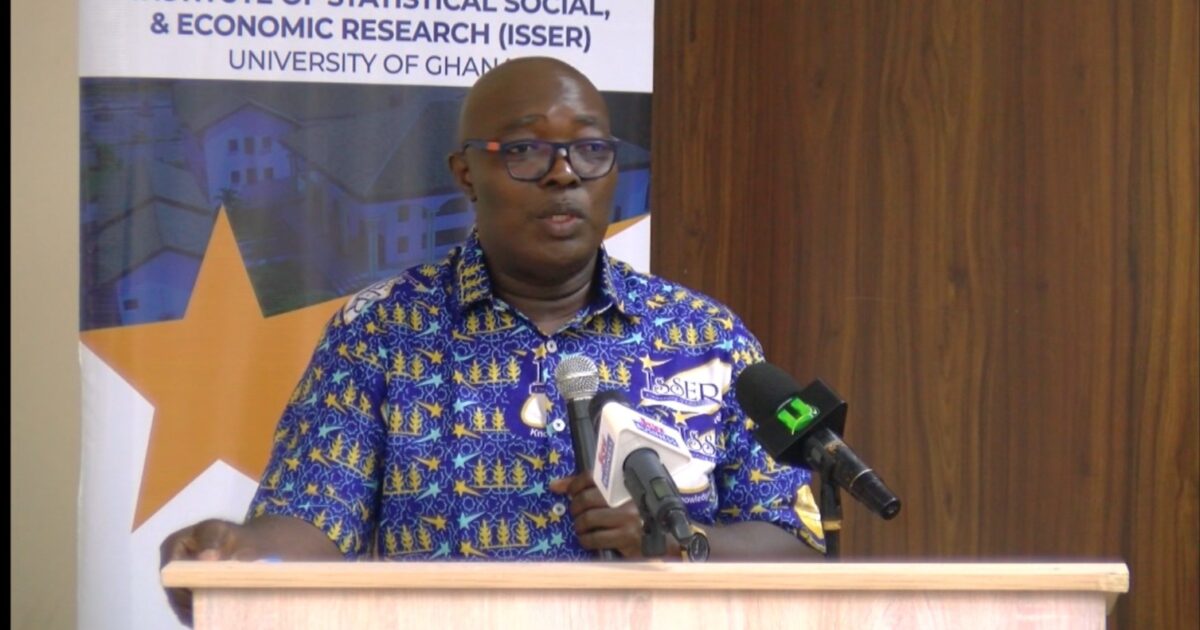
The situation reflects a policy trade-off between economic stabilisation and growth. ISSER Director Professor Robert Darko Osei warned that prolonged expenditure restraint could weaken the investments needed to transform the economy and expand its productive capacity, even as Ghana makes progress in its fiscal consolidation programme. He called for a carefully balanced approach that ensures fiscal consolidation efforts do not come at the expense of Ghana's long-term development and economic transformation agenda. Public investment plays a vital role in creating the conditions that attract private capital, promote economic diversification, and strengthen productive sectors.
Practical Implications
Lawyers and compliance officers should watch for potential delays or disruptions to infrastructure projects, which could impact clients' business operations or investments in Ghana.
Source
Source: Original reporting via GNA
How does this affect your business?
Get an AI analysis of this article grounded in your jurisdictions, practice areas, and any policy documents you've uploaded to Wansom.
Wansom is AI and can make mistakes.