
GAPTE: Ghana Ayalolo Lane Peak Hour Ban Starts for Private Vehicles
Summary
- A pilot contraflow system will ban private cars, taxis, trotros, okadas, and trucks from Ayalolo bus lanes during peak hours starting Tuesday, September 29.
- The Greater Accra Passenger Transport Executive (GAPTE) is implementing this system across the Amasaman, Pokuase, Kasoa, and Adenta corridors.
- Ayalolo buses will use opposite-direction lanes towards Accra CBD from 6 am to 9 am, and out of the CBD from 4 pm to 7 pm.
- Motorists violating the private vehicle ban on Ayalolo lanes during restricted times will face legal action and be taken to court.
- The initiative aims to improve the efficiency of the Ghana Ayalolo contraflow system and manage Greater Accra traffic.
New Traffic Restrictions Imposed
Any motorist found using the designated contraflow lanes during the restricted hours will face legal action and will be taken to court.
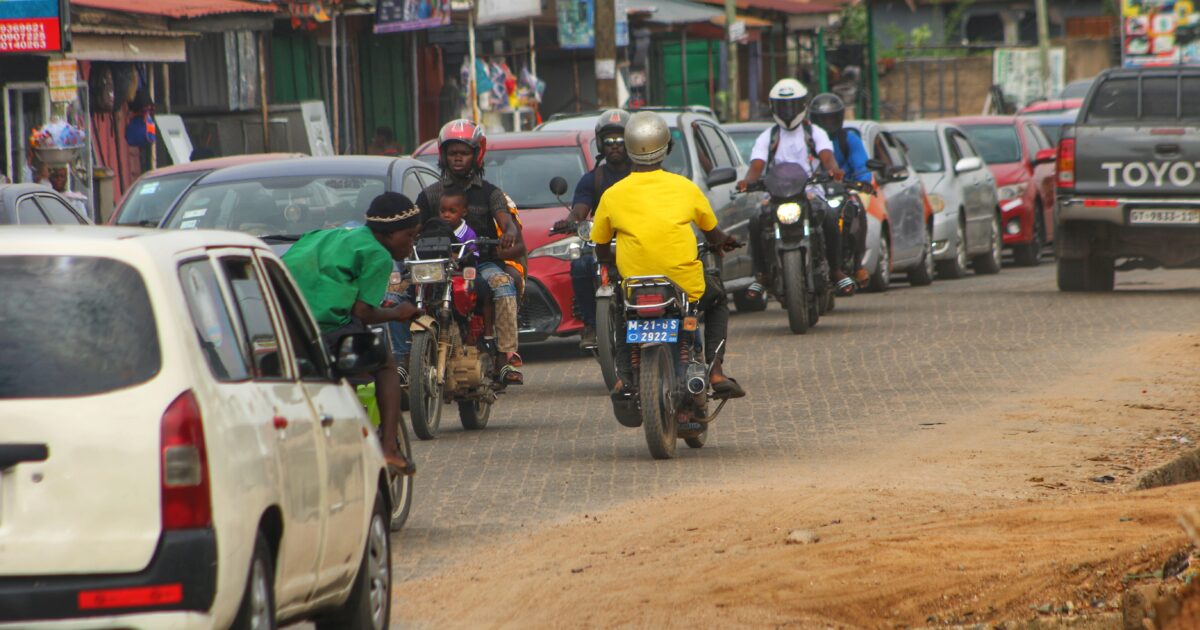
A significant change to traffic management is set to commence in Ghana, with a pilot contraflow system introducing a GAPTE Ayalolo lane peak hour ban for various vehicle types. Starting Tuesday, September 29, private cars, taxis, trotros, okadas, and trucks will be prohibited from using lanes specifically designated for Ayalolo buses during peak travel times.
This new initiative is being implemented by the Greater Accra Passenger Transport Executive (GAPTE) and aims to streamline public transport operations. The pilot program will encompass key corridors experiencing high traffic volumes, specifically the Amasaman, Pokuase, Kasoa, and Adenta areas, which are known for their dense Greater Accra traffic.
The restriction is a direct measure to prioritize the efficiency of the Ghana Ayalolo contraflow system, ensuring that public transport can move more freely during the busiest periods of the day. Motorists operating any of the prohibited vehicle types must be aware of these new rules to avoid legal consequences.
Details of the Contraflow Operation
The core of the new system involves a dynamic use of existing road infrastructure. During the morning peak hours, from 6 am to 9 am, Ayalolo buses traveling towards the Accra Central Business District (CBD) will utilize lanes that are typically reserved for traffic moving in the opposite direction. This strategic reallocation of road space is designed to expedite commutes into the city center.
Conversely, in the evening, between 4 pm and 7 pm, the contraflow system will facilitate outbound travel. Ayalolo buses departing from the CBD will be directed to use lanes that are normally designated for vehicles heading towards the CBD. This reversal of lane usage aims to alleviate congestion for public transport users during the evening rush.
These specific timeframes and directional changes are crucial for all road users to understand. The private vehicle ban Ayalolo lanes is strictly enforced during these periods, impacting traffic flow across the Amasaman, Pokuase, Kasoa, and Adenta corridors.
Legal Ramifications for Violators
Non-compliance with the new GAPTE Ayalolo lane peak hour ban carries serious legal consequences. Any motorist found using the designated contraflow lanes during the restricted hours will face legal action and will be taken to court. This strict enforcement underscores the importance GAPTE places on the success of this pilot program and the efficiency of the Ghana Ayalolo contraflow system.
Lawyers should proactively advise their clients, particularly transport companies, fleet operators, and individual motorists, about these impending traffic restrictions. Ensuring full compliance is paramount to avoid legal penalties and potential disruptions to business operations or personal travel. Compliance officers in sectors affected by the Amasaman, Pokuase, Kasoa, and Adenta traffic patterns must update their internal policies and driver training programs accordingly.
The legal framework supporting this pilot scheme means that ignorance of the rules will not serve as a defense. All drivers of private cars, taxis, trotros, okadas, and trucks must be fully informed about where and when they are prohibited from entering the Ayalolo lanes to prevent facing judicial proceedings.
Addressing Greater Accra's Traffic Challenges
The introduction of the private vehicle ban Ayalolo lanes during peak hours is a strategic move by the Greater Accra Passenger Transport Executive to tackle persistent traffic congestion. By dedicating specific lanes to public transport, the aim is to enhance the reliability and speed of Ayalolo bus services, encouraging more commuters to opt for public transportation.
This pilot contraflow system is a direct response to the challenges posed by the Amasaman, Pokuase, Kasoa, and Adenta traffic, which significantly impacts daily commutes and economic activity in the Greater Accra region. The focus on improving the efficiency of the Ghana Ayalolo contraflow system reflects a broader effort to manage urban mobility more effectively.
The success of this initiative hinges on widespread public awareness and strict adherence to the new regulations. The GAPTE Ayalolo lane peak hour ban represents a significant shift in road usage policy, with the potential to reshape commuting experiences for thousands of residents in the affected corridors.
Practical Implications
Lawyers should advise clients, particularly transport companies and individual motorists, on these new traffic restrictions to ensure compliance and avoid legal penalties for unauthorized use of Ayalolo contraflow lanes during peak hours. Compliance officers in affected sectors must update internal policies and driver training.
Source
Source: Original reporting via GhanaWeb
How does this affect you?
Get an AI analysis of this article grounded in your jurisdictions, practice areas, and any policy documents you've uploaded to Wansom.
Finish Reading the Full Story and the Expert Analysis.
Get the latest legal & regulatory intelligence in Ghana
Wansom is AI and can make mistakes.