
Ghana Ministry of Education: Ghana GSL Education Policy Development
Summary
- Ghana's government plans to develop a sustainable policy for integrating Ghanaian Sign Language (GSL) into its education system.
- Education Minister Haruna Iddrisu announced the initiative, emphasizing GSL's role in deaf Ghanaians' identity and participation.
- The policy framework will align with Ghana’s legal and international commitments, focusing on GSL standardization, teacher training, and accessible assessments.
- The Ministry of Education aims to ensure GSL recognition leads to tangible educational opportunities and improved learning outcomes for deaf learners.
- Success will be measured by effective learning, communication, skill acquisition, and progression towards independent living, not just enrollment figures.
Policy Development Underway
The government advocates for an educational approach that empowers deaf learners to develop robust foundational competencies in GSL, while concurrently facilitating their progressive acquisition of literacy in written English and other languages relevant to their communities and future educational pathways.
The Ghanaian government has announced its intention to formulate a comprehensive and sustainable policy aimed at integrating Ghanaian Sign Language (GSL) into the nation's educational system. This significant development, focused on Ghana GSL education policy development, was revealed by the Minister of Education, Haruna Iddrisu. The Ministry plans to collaborate extensively with various stakeholders to ensure the formal recognition and institutionalization of GSL across educational settings.
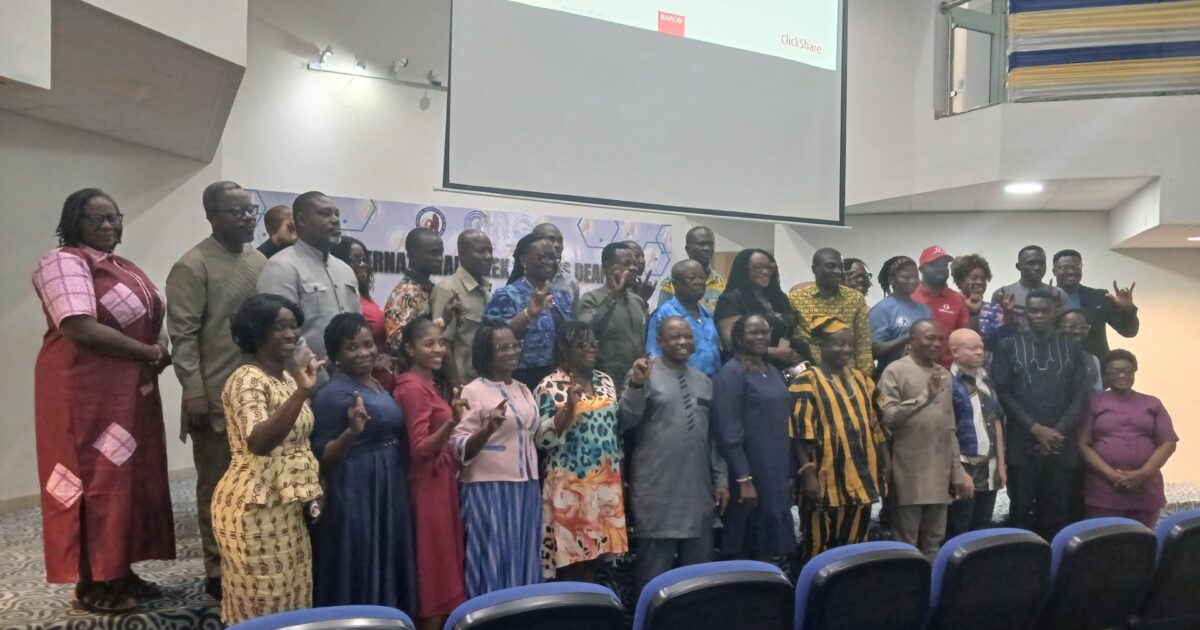
Minister Iddrisu made the announcement during a dialogue held in Accra, titled "Strengthening Quality Multilingual Inclusive Education for Deaf Learners in Ghana." He emphasized that this forthcoming Ghanaian Sign Language policy education framework is designed to address one of the most critical challenges currently facing deaf education within the country. He underscored that GSL transcends mere communication; for many deaf Ghanaians, it serves as a fundamental language through which they articulate their thoughts, cultivate their identity, and actively participate in society. This initiative marks a pivotal step towards a more inclusive educational landscape.
Framework and Scope
The government acknowledges the imperative for a clear and enduring policy framework to guide the development and application of GSL in education. This Ghana deaf education policy framework will be meticulously crafted to align with Ghana’s existing constitutional, legal, and international commitments concerning human rights and education. Furthermore, the framework is committed to being evidence-based, inclusive in its approach, and subject to careful coordination among all involved parties. This strategic alignment aims to embed GSL firmly within the broader Ghana inclusive education legal framework.
Minister Iddrisu outlined several key areas that the new policy intends to address. These include the standardization and ongoing development of GSL itself, alongside the crucial documentation of appropriate terminology, encompassing both academic and scientific vocabulary. The policy will also focus on the preparation of essential teaching and learning materials, as well as the rigorous training and certification processes for sign language teachers and interpreters. Moreover, it will ensure that sign language competencies are incorporated into relevant teacher education programs, facilitating the recruitment and deployment of appropriately trained personnel throughout the educational system. The Ghana Ministry of Education GSL initiative will also establish accessible assessment practices, reinforce bilingual and multilingual instructional methods for deaf learners, and implement systematic monitoring mechanisms for learning outcomes.
Vision for Inclusive Learning
Beyond the specific policy mechanisms, Minister Haruna Iddrisu articulated a broader vision for inclusive education, stressing that the formal recognition of GSL must translate into tangible educational opportunities and improved learning outcomes, rather than remaining a mere declaration. He highlighted Ghana's rich linguistic diversity, which makes multilingual education particularly pertinent. For deaf learners, he explained, multilingualism should acknowledge the vital role of Ghanaian Sign Language alongside the written and spoken languages encountered in schools and wider society.
The government advocates for an educational approach that empowers deaf learners to develop robust foundational competencies in GSL. Concurrently, this approach aims to facilitate their progressive acquisition of literacy in written English and other languages relevant to their communities and future educational pathways. The Minister emphasized that children learn most effectively when they comprehend and actively engage in the learning process, thereby underscoring the necessity of prioritizing active participation. He concluded by redefining the metrics of success for learners with disabilities, asserting that it should not solely be measured by enrollment figures. Instead, true success should be gauged by whether these learners are effectively learning, reading, and communicating, acquiring numeracy and digital skills, progressing through the education system, and ultimately gaining the competencies required for further education, employment, and independent living.
Practical Implications
Lawyers advising educational institutions, disability rights organizations, or corporate clients on D&I should monitor the development of this policy. It will establish new legal and regulatory requirements for educational institutions regarding the use and institutionalization of Ghanaian Sign Language, impacting compliance, accessibility standards, and potentially disability rights litigation in Ghana.
Source
Source: Original reporting via GNA.
How does this affect you?
Get an AI analysis of this article grounded in your jurisdictions, practice areas, and any policy documents you've uploaded to Wansom.
Finish Reading the Full Story and the Expert Analysis.
Get the latest legal & regulatory intelligence in Ghana
Wansom is AI and can make mistakes.