
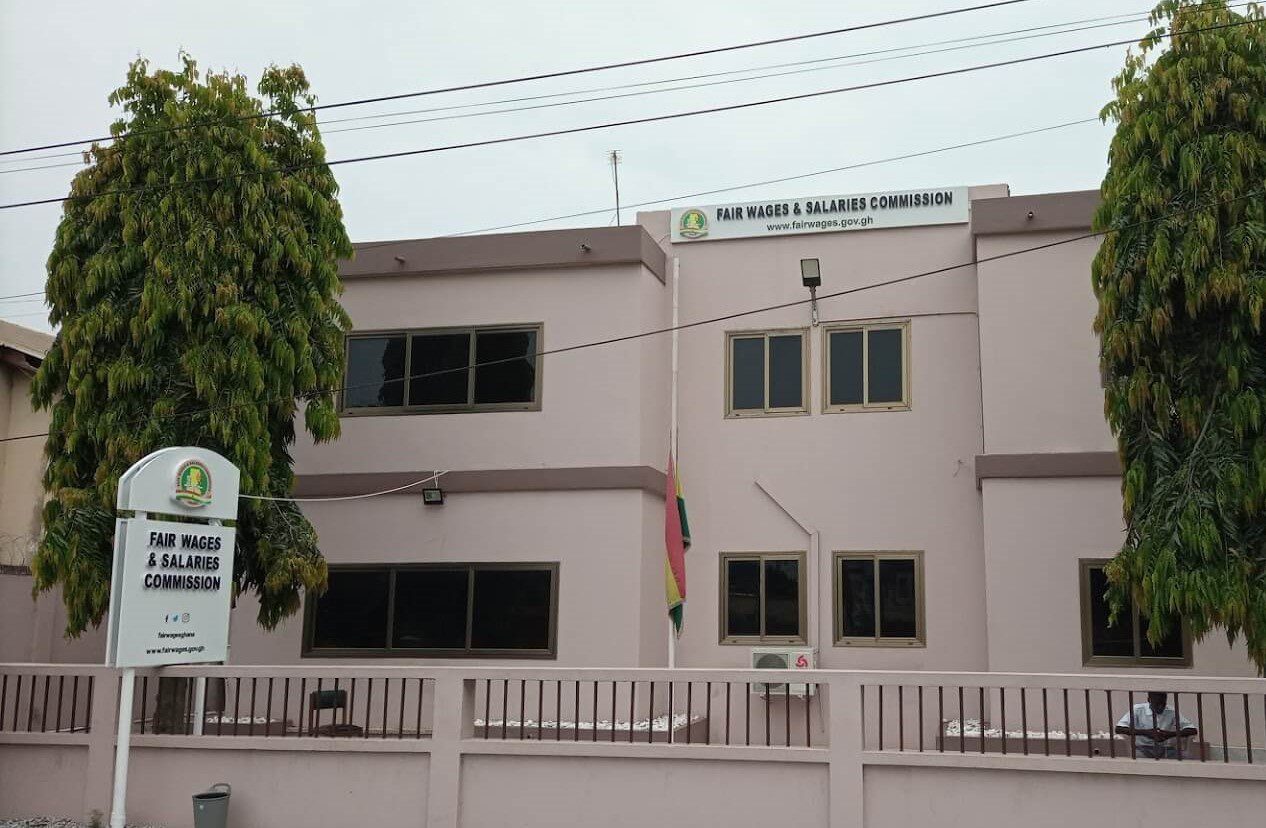
Ghana: Public Service Remuneration Agreement 2027-2028 Finalized
Summary
- Ghana's government and organised labour signed a two-year remuneration agreement for public service workers covering 2027 and 2028.
- The deal includes a 9% total remuneration increase for 2027 and a 10% base pay increase for 2028 for employees on the Single Spine Salary Structure.
- An income protection clause allows for a review of the 2028 base pay if December 2027 inflation significantly exceeds projections.
- This agreement aims to provide predictability and stability during the transition from the Fair Wages and Salaries Commission to the Independent Public Emoluments Commission.
- It marks the first time a multi-year pay agreement has been reached in Ghana's public service remuneration negotiations.
What Happened
This landmark agreement is designed to foster industrial harmony and ensure predictability in public expenditure, while also safeguarding income security for workers during a significant institutional transition.
On October 28, 2026, a significant Ghana government organised labour pay deal was formally concluded, establishing a Multi-Year Public Service Remuneration Agreement for the 2027 and 2028 fiscal years. This landmark accord, negotiated by the Public Services Joint Standing Negotiating Committee (PSJSNC), specifically applies to employees compensated under the Single Spine Salary Structure (SSSS). The government's negotiating team included representatives from the Fair Wages and Salaries Commission (FWSC) and the Ministry of Finance, while organised labour was represented by various workers’ unions and institutions operating within Ghana's Public Service.
The agreement was officially signed by Dr. George Smith-Graham, Chief Executive of the FWSC, on behalf of the government, and by Bro. Joshua Ansah, Secretary-General of the Trades Union Congress (TUC), representing organised labour. The signing ceremony was witnessed by Hon. Dr. Cassiel Ato Forson, Member of Parliament and Minister for Finance, alongside Mr. Thomas T. Musah, General Secretary of the Ghana National Association of Teachers (GNAT). This event marks a crucial development in public sector compensation in Ghana.
Key Provisions and Financial Details
The Ghana public service remuneration agreement 2027-2028 establishes a comprehensive framework effective from January 1, 2027, through December 31, 2028. For the 2027 fiscal year, the agreement stipulates a 9% increase in total remuneration, which will take effect on January 1, 2027. This increment is structured with 8 percentage points allocated to the across-the-board base pay and the remaining 1 percentage point dedicated to Conditions of Service.
Looking ahead to 2028, the agreement provides for a 10% increase in the across-the-board base pay, also effective January 1, 2028. This 2028 adjustment will be calculated based on the applicable base pay as of December 31, 2027. A critical component of the agreement is an income protection clause designed to safeguard workers' earnings against unforeseen inflationary pressures. Should the year-on-year inflation rate for December 2027 exceed the midpoint of the government's projected 8% by a factor of two, the PSJSNC is mandated to reconvene and review the 2028 Base Pay. This provision was negotiated considering a current inflation rate of 5.2% and the government's projection of 8%±2% for both 2027 and 2028. Furthermore, the parties committed to utilizing the transitional period to review allowances to rectify existing distortions, with the government pledging quarterly consultations with Organised Labour on ongoing reforms.
Broader Context and Significance
This Ghana Multi-Year Public Service Remuneration Agreement represents a historic achievement, being the first time the government and organised labour have successfully negotiated a two-year pay deal. The Minister for Finance, Dr. Cassiel Ato Forson, highlighted its importance, stating that it extends beyond mere salaries to protect workers' incomes, offer greater certainty to families, and enable the government to plan and manage public spending more responsibly. He underscored that the agreement demonstrates a successful balance between fair worker compensation and prudent management of public finances.
A primary objective of this two-year framework is to provide a period of predictability and a stable environment for the impending transition from the Fair Wages and Salaries Commission (FWSC) to the Independent Public Emoluments Commission (IPEC). Dr. George Smith-Graham, CEO of the FWSC, emphasized that these negotiations are particularly significant given the ongoing public sector compensation reform agenda. He explained that the decision for a two-year salary agreement reflects a collective commitment to fostering industrial harmony, ensuring predictability in public expenditure, securing income for workers, and maintaining stability during this crucial institutional shift. The FWSC will continue to exercise its legal functions until the transfer to IPEC is legally enacted.
Practical Implications
Lawyers advising public sector entities or unions in Ghana should be aware of this two-year remuneration agreement, which provides predictability for budgeting and workforce planning. They should also monitor the transition from the Fair Wages and Salaries Commission (FWSC) to the Independent Public Emoluments Commission (IPEC) and the implications for future compensation structures and dispute resolution.
Source
How does this affect you?
Get an AI analysis of this article grounded in your jurisdictions, practice areas, and any policy documents you've uploaded to Wansom.
Finish Reading the Full Story and the Expert Analysis.
Wansom is AI and can make mistakes.