
Ghana Government Affirms Commitment to Free Speech Amid Arrest Concerns
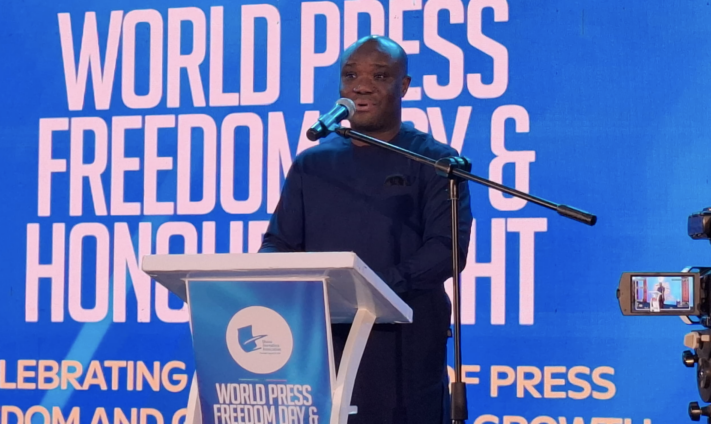
Felix Kwakye Ofosu, then Minister for Government Communications in Ghana, publicly refuted claims that the government was suppressing freedom of expression, emphasizing the distinction between legitimate criticism and criminal conduct, as reported by MyJoyOnline Ghana. His comments were made amid growing concerns about democratic freedoms in Ghana, specifically referencing criticism surrounding the recent arrest of nurse Salomey Baffoe Awiti in Techiman.
This statement carries significant legal weight as it addresses fundamental constitutional rights and the perennial tension between state power and individual liberties in a democratic society. It articulates the government's official position on free speech, particularly in the context of public criticism and dissent, which is crucial for maintaining a vibrant democracy. For legal practitioners, this highlights the critical importance of understanding the precise boundaries of free speech, especially concerning potential overlaps with offenses such as defamation, incitement, or other criminal conduct that may arise from public expression. The specific mention of the arrest of Salomey Baffoe Awiti underscores the practical and often contentious implications of these legal distinctions in real-world scenarios.
The core legal framework underpinning this discussion is Ghana's 1992 Constitution, particularly Article 21(1)(a), which unequivocally guarantees freedom of speech and expression, including freedom of the press and other media. However, this fundamental right is not absolute and is subject to limitations deemed necessary for a democratic society, as stipulated in Article 12(2) and Article 21(4) of the Constitution. Relevant statutory provisions include the Criminal Offences Act, 1960 (Act 29), which contains sections on offenses like defamation (though largely decriminalized in civil law, criminal defamation still exists in specific contexts), offensive conduct conducive to breaches of the peace, and incitement. The Ghanaian courts, particularly the High Court and the Supreme Court, play a pivotal role in interpreting and enforcing these constitutional rights and statutory limitations, often through judicial review of executive actions. The reference to an arrest suggests potential police action and subsequent judicial proceedings, where these legal principles would be tested.
Key parties involved in this discourse include Felix Kwakye Ofosu, representing the government of Ghana, citizens exercising their right to free speech and criticism, and specifically, nurse Salomey Baffoe Awiti, whose arrest brought these issues to the fore. The Ghana Police Service, responsible for law enforcement, and the judiciary, tasked with upholding the rule of law and interpreting constitutional provisions, are implicitly central to the practical application and enforcement of these rights and limitations.
Practitioners must be acutely aware of the constitutional protections afforded to free speech and the permissible limitations under Ghanaian law. They should advise clients on the legal risks associated with public statements, particularly in the digital age, and the potential for both criminal and civil liability arising from their expressions. For individuals facing accusations related to their speech, robust legal counsel is essential to ensure their constitutional rights are vigorously defended. Furthermore, legal professionals should diligently monitor judicial pronouncements and evolving case law on free speech, as these decisions continuously shape the interpretation and application of these fundamental rights within Ghana's legal landscape.
How does this affect you?
Get an AI analysis of this article grounded in your jurisdictions, practice areas, and any policy documents you've uploaded to Wansom.
Finish Reading the Full Story and the Expert Analysis.
Get the latest legal & regulatory intelligence in Ghana
Wansom is AI and can make mistakes.