
Ghana GIPA: Informal Retail Foreign Access Remains Prohibited
Summary
- GIPA CEO Simon Madjie affirmed that foreign capital does not grant access to Ghana's informal retail market, which is legally reserved for citizens.
- The primary challenge identified is the effective enforcement of this restriction, requiring better coordination among regulatory agencies.
- Mr. Madjie clarified the distinction between trade (exchanging goods/services) and investment (committing resources to create value and profit).
- Government initiatives, such as building model markets under President John Mahama, aim to enhance control and regulation of trading spaces.
- Ghana maintains a firm stance on regulatory compliance, expecting all investors, domestic and foreign, to adhere strictly to national laws without exception.
Ghana's Stance on Informal Retail Access
The Ghana Investment Promotion Authority has unequivocally stated that foreign capital, irrespective of its amount, does not grant investors the right to participate in Ghana’s informal retail market, a domain explicitly reserved for Ghanaian citizens by law.
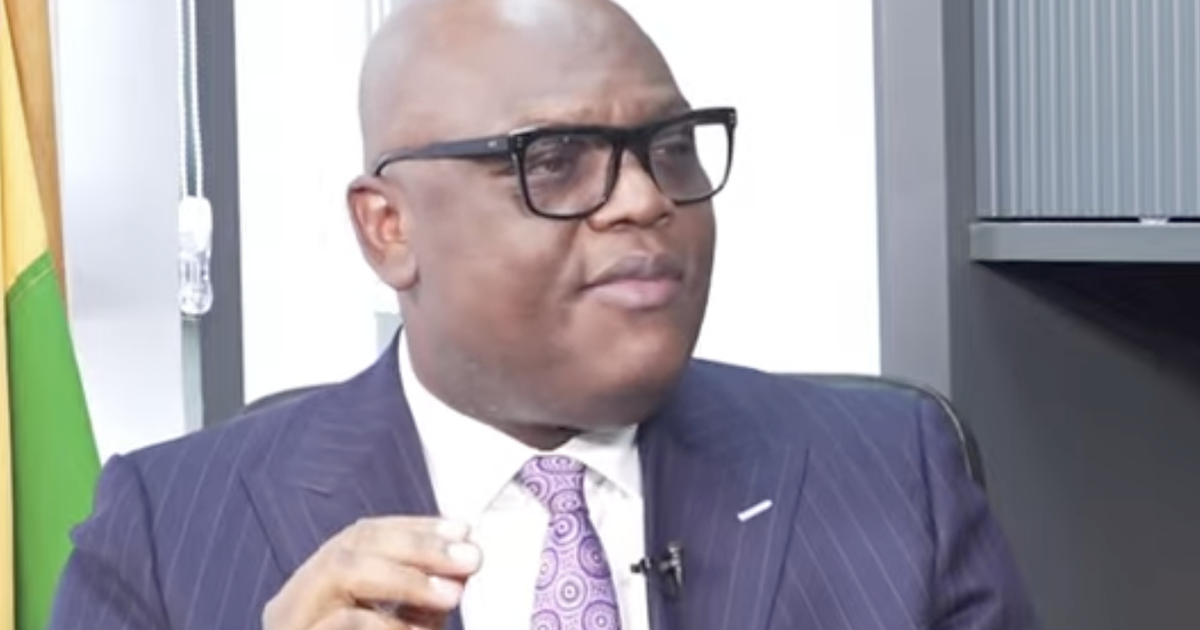
The Ghana Investment Promotion Authority (GIPA) has unequivocally stated that foreign capital, irrespective of its amount, does not grant investors the right to participate in Ghana’s informal retail market. This declaration, made by GIPA CEO Simon Madjie during an appearance on Joy News’ PM Express Business Edition on a Thursday, October 8, 2026, underscored the legal framework that explicitly reserves this economic sector for Ghanaian citizens.
Mr. Madjie emphasized that while the law is clear on this reservation, the primary challenge lies in effectively enforcing the existing restriction. He reiterated the legal position, stating that foreign entities are not expected to operate in this market, regardless of the financial resources they bring into the country. This firm stance highlights the government's commitment to protecting local participation in specific economic segments.
Distinguishing Trade from Investment
A significant source of public confusion, according to the GIPA CEO, stems from a misunderstanding between the concepts of trade and investment. Mr. Madjie clarified that trade fundamentally involves the exchange of goods and services, a distinct activity from investment. Investment, in contrast, entails the commitment of resources, the establishment of an entity, the creation of value, and the expectation of earning and repatriating profits.
Despite the broader scope of investment activities, the restriction on foreign participation in the informal retail sector remains unambiguous. This distinction is crucial for foreign investors and their legal advisors operating in Ghana, as it delineates permissible activities and sectors. The GIPA's position underscores the importance of understanding Ghana's trade investment distinction to ensure compliance and avoid operating illegally in restricted sectors.
Enhancing Enforcement and Market Control
Addressing the enforcement challenge, Mr. Madjie pointed to the necessity of improved coordination among various enforcement agencies, particularly those tasked with controlling market operations. He highlighted that effective enforcement is a matter of bringing these agencies together to ensure adherence to the law.
As a long-term solution to these persistent issues, the GIPA CEO referenced the government's initiative under President John Mahama to construct model markets. These organized and regulated market spaces are designed to provide authorities with greater control over trading activities. Furthermore, these model markets are envisioned to include essential facilities, such as fire services, contributing to a more structured and compliant retail environment.
Commitment to Regulatory Compliance
The GIPA firmly rejects any notion that Ghana is relaxing its regulations to attract foreign investors. Mr. Madjie stressed that both domestic and international investors are expected to fully comply with the nation's regulatory framework. He noted that for international investors listed on foreign stock exchanges, their conduct in Ghana holds significant weight, as non-compliance could negatively impact their share values.
While acknowledging that growing local businesses might encounter issues, such as those related to VAT and tax collection, the GIPA addresses these through its established aftercare system. The overarching message from the GIPA is that Ghana is not bending its regulatory framework to accommodate investors, but rather has leveled the playing field to encourage partnerships with local businesses, ensuring a fair and compliant operating environment for all.
Practical Implications
Foreign investors and their legal advisors must understand that Ghana's informal retail market is strictly reserved for citizens, and the GIPA is committed to enforcing this. Compliance officers should ensure foreign entities distinguish between trade and investment activities to avoid operating illegally in restricted sectors and face potential penalties.
Source
How does this affect you?
Get an AI analysis of this article grounded in your jurisdictions, practice areas, and any policy documents you've uploaded to Wansom.
Finish Reading the Full Story and the Expert Analysis.
Get the latest legal & regulatory intelligence in Ghana
Wansom is AI and can make mistakes.